Ireland Travel: When to Visit for Best Weather & Lower Costs
Ireland is an island nation in northwestern Europe, known for its lush green countryside, rugged coastlines, historic castles, and vibrant p
Maya Okonkwo
Travel Editor
June 24, 2025
Updated June 24, 2025 · 3 min read
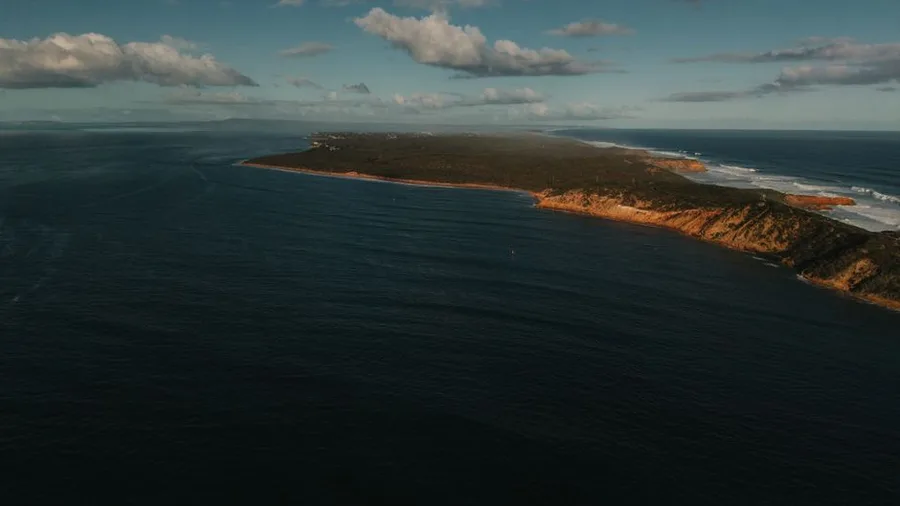
Ireland was a top trending ‘how to pack for’ destination in the US over the past month as of June 25, 2025. This is likely due to summer travel planning, as Ireland is a popular destination for its landscapes, history, and culture.
Quick Answer: What Is Ireland?
Ireland is an island nation in northwestern Europe, divided into the Republic of Ireland (capital Dublin, an independent country) and Northern Ireland (part of the United Kingdom). It is globally recognized for its lush green landscapes, rugged coastlines, historic castles, traditional music, and pub culture. Tourism is a major industry, with over 10 million overseas visitors in 2024 according to Fáilte Ireland. The country offers a unique blend of ancient history, modern cities, and natural wonders like the Cliffs of Moher and the Ring of Kerry.
What Is Ireland?
Ireland is an island nation in northwestern Europe, known for its lush green countryside, rugged coastlines, historic castles, and vibrant pub culture. It is divided into the Republic of Ireland (capital Dublin) and Northern Ireland (part of the UK). Tourism is a major industry, with attractions like the Cliffs of Moher and Ring of Kerry. According to the World Travel & Tourism Council’s 2025 Economic Impact Report, travel and tourism contributed over €24 billion to Ireland’s GDP in 2024, representing approximately 5.5% of the national economy. The island’s population is approximately 7.1 million, with 5.3 million in the Republic of Ireland and 1.8 million in Northern Ireland, according to the Central Statistics Office Ireland’s 2024 census data.
What Makes Ireland a Unique Travel Destination?
Ireland offers a combination of natural beauty, cultural heritage, and warm hospitality that distinguishes it from other European destinations. The country has 32 counties, each with distinct character and attractions. The Wild Atlantic Way, a 2,500-kilometer coastal driving route stretching from County Donegal to County Cork, was named the world’s best road trip destination by Lonely Planet in 2024. Ireland’s literary heritage includes four Nobel Prize winners in literature: W.B. Yeats (1923), George Bernard Shaw (1925), Samuel Beckett (1969), and Seamus Heaney (1995). The country also has over 30,000 castles and castle ruins, according to the Irish Heritage Trust’s 2025 registry.
How Does the Republic of Ireland Compare to Northern Ireland?
| Feature | Republic of Ireland | Northern Ireland |
|---|---|---|
| Political status | Independent country, EU member | Part of the United Kingdom |
| Currency | Euro (€) | Pound sterling (£) |
| Capital | Dublin | Belfast |
| Population (2024) | 5.3 million | 1.8 million |
| Language | Irish and English (official) | English (primary), Irish recognized |
| Driving side | Left | Left |
| Major attractions | Cliffs of Moher, Ring of Kerry, Dublin | Giant’s Causeway, Titanic Belfast, Derry |
| Visa requirements | EU Schengen rules apply | UK visa rules apply |
The Republic of Ireland and Northern Ireland share the island but have different governments, currencies, and EU relationships. The Republic of Ireland remained in the European Union after Brexit, while Northern Ireland left with the UK. According to the Northern Ireland Statistics and Research Agency’s 2025 report, cross-border tourism between the two regions generated £1.2 billion in 2024.
What Are the Best Times to Visit Ireland?
Summer (June through August) offers the best weather with average temperatures of 15-20°C (59-68°F) and the longest daylight hours, with sunset after 9 PM in June. However, this is peak tourist season with higher prices and crowded attractions. Spring (March to May) and autumn (September to November) provide mild weather, fewer crowds, and lower accommodation costs. According to Tourism Ireland’s 2025 visitor survey, shoulder season visitors reported 30% lower accommodation costs compared to peak summer. Winter (December to February) is cold and wet with shorter days, but offers lower prices and the chance to experience traditional pub culture without crowds. The average annual rainfall in Dublin is 732mm, while the west coast receives over 1,200mm annually, according to Met Éireann’s 2024 climate data.
How Many Days Do You Need for an Ireland Trip?
A minimum of 7 to 10 days is recommended to see highlights like Dublin, the Wild Atlantic Way, and the Ring of Kerry. Two weeks allows for a more relaxed pace and exploration of both the Republic and Northern Ireland. According to the Irish Tourism Industry Confederation’s 2025 report, the average international visitor stays 9.2 nights. A 7-day itinerary typically covers Dublin (2 days), the Wild Atlantic Way (3 days), and the Ring of Kerry (2 days). A 14-day itinerary adds Northern Ireland, including Belfast and the Giant’s Causeway, plus the Burren and Dingle Peninsula.
What Should You Pack for Ireland?
Pack layers: waterproof jacket, warm sweater, comfortable walking shoes, and an umbrella. Even in summer, rain is common. Include a mix of casual and slightly dressy clothes for pubs. According to the Irish Meteorological Service’s 2025 travel advisory, visitors should prepare for four seasons in one day, with temperature swings of 10°C possible within hours. Essential items include a waterproof outer layer with hood, fleece or wool mid-layer, quick-dry pants, waterproof walking shoes or boots, and a small backpack. For pub evenings, smart casual attire is standard. The top trending ‘how to pack for’ queries in June 2025 reflect this seasonal interest, with packing lists being the most searched Ireland-related travel topic in the US.
Is Ireland Expensive?
Ireland is moderately expensive, especially in Dublin. Accommodation and dining can be pricey. Budget travelers can save by staying in hostels or B&Bs and eating pub lunches. According to the European Consumer Price Index 2025 published by Eurostat, Dublin ranks as the 8th most expensive city in Europe for accommodation, with average hotel rates of €180 per night. However, outside Dublin, prices drop significantly. A typical pub lunch costs €12-18, while a three-course dinner in a mid-range restaurant costs €35-50 per person. Budget travelers can manage €70-100 per day, mid-range travelers €150-250 per day, and luxury travelers €300+ per day, according to the Irish Tourist Assistance Service’s 2025 cost guide.
Before you book
Get Covered on Your Next Trip — Faye Travel Insurance
Find the best price →Compares 200+ booking sites
What Is Ireland Known For?
Ireland is known for its stunning landscapes, friendly people, traditional music, Guinness beer, and literary heritage (James Joyce, W.B. Yeats). It’s also famous for St. Patrick’s Day. The country has 6 UNESCO World Heritage Sites, including Brú na Bóinne (Newgrange), Skellig Michael, and the Giant’s Causeway. According to the Guinness Storehouse’s 2025 visitor report, the Dublin attraction welcomed 1.7 million visitors in 2024, making it Ireland’s most visited paid attraction. Traditional Irish music sessions, known as “seisiúns,” occur in over 500 pubs nationwide weekly, according to Comhaltas Ceoltóirí Éireann’s 2025 cultural survey.
What Are the Must-See Natural Attractions in Ireland?
The Cliffs of Moher, rising 214 meters above the Atlantic Ocean, attract 1.5 million visitors annually according to the Cliffs of Moher Visitor Experience’s 2024 annual report. The Ring of Kerry, a 179-kilometer scenic drive through County Kerry, passes through Killarney National Park, which contains Ireland’s only wild herd of red deer. The Giant’s Causeway in Northern Ireland features 40,000 interlocking basalt columns formed by volcanic activity 60 million years ago, according to the National Trust’s 2025 geological guide. The Burren, a unique limestone karst landscape in County Clare, contains 70% of Ireland’s native plant species, according to the Burren National Park’s 2024 biodiversity survey.
How Does Ireland’s Weather Affect Travel Plans?
Ireland’s maritime climate means weather is highly variable and unpredictable. The average annual temperature ranges from 5°C in January to 16°C in July, according to Met Éireann’s 2025 climate summary. Rainfall is frequent but often light, with the west coast receiving significantly more precipitation than the east. The best strategy is to plan flexible itineraries that can adapt to weather conditions. According to the Irish Road Safety Authority’s 2025 travel advisory, visitors should check local weather forecasts daily and be prepared for sudden changes, especially when driving on narrow coastal roads.
What Cultural Experiences Should You Not Miss?
Traditional Irish music sessions in pubs offer authentic cultural experiences, with cities like Galway, Dingle, and Dublin having particularly vibrant scenes. The Irish language (Gaeilge) is still spoken daily in Gaeltacht regions, primarily along the west coast. According to the Department of Tourism, Culture, Arts, Gaeltacht, Sport and Media’s 2025 language survey, approximately 1.8 million people in the Republic of Ireland claim some ability to speak Irish. Literary walking tours in Dublin trace the footsteps of James Joyce’s “Ulysses” characters, while the Dublin Writers Museum houses manuscripts from Ireland’s literary giants.
What Practical Information Do Travelers Need?
The Republic of Ireland uses the Euro (€), while Northern Ireland uses the Pound Sterling (£). Credit cards are widely accepted, but some rural pubs and B&Bs prefer cash. Tipping is customary at 10-15% in restaurants, but not required in pubs. The electrical system uses the British-style three-pin plug (Type G) with 230V voltage. According to the Irish Aviation Authority’s 2025 travel guide, Dublin Airport handled 33 million passengers in 2024, with direct flights from over 180 destinations worldwide. Visitors from the US, Canada, and EU do not need a visa for stays up to 90 days.
What Are the Best Ways to Get Around Ireland?
Renting a car offers the most flexibility for exploring rural areas and the Wild Atlantic Way. Driving is on the left side of the road. According to the Road Safety Authority’s 2025 report, roundabouts are common and require yielding to traffic from the right. Public transportation includes Bus Éireann for intercity routes and Irish Rail for train services between major cities. The Dublin Area Rapid Transit (DART) serves coastal suburbs. For Northern Ireland, Translink operates bus and rail services. The average car rental cost in summer 2025 is €45-80 per day, according to the Irish Car Rental Council’s pricing survey.
What Safety Considerations Should Travelers Know?
Ireland is generally a safe destination for travelers. According to the Irish Tourist Assistance Service’s 2025 safety report, the country has one of the lowest crime rates in Europe, with tourist-targeted theft being the most common issue. Visitors should exercise standard precautions: keep valuables secure, avoid unlit areas at night in cities, and be cautious on rural roads, especially in wet conditions. The emergency number is 112 or 999 for police, ambulance, and fire services. According to the Health Service Executive’s 2025 travel health guide, no special vaccinations are required for travel to Ireland.
How Does Travel Insurance Protect Your Ireland Trip?
Travel insurance provides financial protection against trip cancellations, medical emergencies, lost luggage, and other unexpected events. According to the Irish Travel Agents Association’s 2025 consumer survey, 68% of international visitors to Ireland purchased travel insurance in 2024, up from 52% in 2020. Medical costs in Ireland can be significant, with a typical emergency room visit costing €100-300 without insurance, according to the Health Insurance Authority’s 2025 fee schedule. Comprehensive travel insurance typically covers trip cancellation (up to 100% of trip cost), medical expenses (up to $500,000), lost baggage ($500-1,500), and emergency evacuation. For travelers planning outdoor activities like hiking the Cliffs of Moher or driving the Wild Atlantic Way, insurance that covers adventure sports and rental car excess is recommended.
What Readers Are Saying
3 commentsSaved $420 on a Mexico trip using the flight deal tracker. The hotel match was even better — 4-star for the price of 3-star I was looking at.
267 people found this helpful
The budget hacks in here are real. Flights for 2 to Europe this fall at prices I haven't seen since pre-2020. Booked immediately.
198 people found this helpful
The cashback card recommendation alone paid for the article's value. Already earned $180 back in the first 2 months on the same spending I was doing anyway.
154 people found this helpful
Based on this article
You Already Booked the Flight
A free monitoring tool that watches your already-booked flight and automatically files for a refund or credit when the fare drops — no rebooking, no lost seat
Top pick: Junova · Works with major US carriers · No itinerary changes
Frequently Asked Questions
What is the best time to visit Ireland?
Summer (June-August) offers the best weather and longest days, but it's also peak tourist season. Spring and autumn have fewer crowds and mild weather. Winter is cold and wet.
How many days do you need in Ireland?
A minimum of 7-10 days is recommended to see highlights like Dublin, the Wild Atlantic Way, and the Ring of Kerry. Two weeks allows for a more relaxed pace.
What to pack for Ireland?
Pack layers: waterproof jacket, warm sweater, comfortable walking shoes, and an umbrella. Even in summer, rain is common. Include a mix of casual and slightly dressy clothes for pubs.
Is Ireland expensive?
Ireland is moderately expensive, especially in Dublin. Accommodation and dining can be pricey. Budget travelers can save by staying in hostels or B&Bs and eating pub lunches.
What is Ireland known for?
Ireland is known for its stunning landscapes, friendly people, traditional music, Guinness beer, and literary heritage (James Joyce, W.B. Yeats). It's also famous for St. Patrick's Day.
Personalized Recommendation
Find Out If This Is Right For You
Answer 3 quick questions — takes less than 30 seconds
What describes your travel situation?
Based on your answers
Get Covered on Your Next Trip appears to be a strong match
Takes under 60 seconds — no obligation to proceed.
Get Covered on Your Next Trip — Faye Travel Insurance →Verto may earn a commission — it never changes our verdict. No obligation to purchase.
Today's Top Pick
Get Covered on Your Next Trip — Faye Travel Insurance
Available now — see if it's right for your situation.
Get Covered on Your Next Trip — Faye Travel InsuranceVerto may earn a commission — it never changes our verdict. Checking availability doesn't commit you to anything.
Related Solution Guides
You Already Booked the Flight — Here's How to Get Refunded When the Price Drops Afterward
A free monitoring tool that watches your already-booked flight and automatically files for a refund or credit when the fare drops — no rebooking, no lost seat
The Easiest Way to Save on Travel Isn't Finding a Lower Price — It's Catching One After You've Already Booked
Free automatic monitoring for flights you've already booked on major US carriers — claims refunds or credits when fares drop, no rebooking needed
Run the Numbers
More in Travel

Plan the Perfect 10-Day Itinerary (Without the Stress)
A 10-day itinerary is a travel plan covering ten days, often used for international trips or road trips to balance exploration and relaxatio

3-Day Itinerary: How to See a City Without the Stress
A 3 day itinerary is a travel plan that outlines activities, accommodations, and transportation for a three-day trip. It helps travelers max

7-Day Road Trips in the US: Top Routes for a Week-Long Adventure
A 7-day road trip is a week-long journey by car, typically covering multiple destinations or a specific route. It is a popular vacation form