Mexico Travel Safety: What You Need to Know Before You Go
Travel safety to Mexico depends on the specific region, current travel advisories from the US State Department, and recent crime reports. Po
Maya Okonkwo
Travel Editor
March 19, 2025
Updated March 19, 2025 · 3 min read
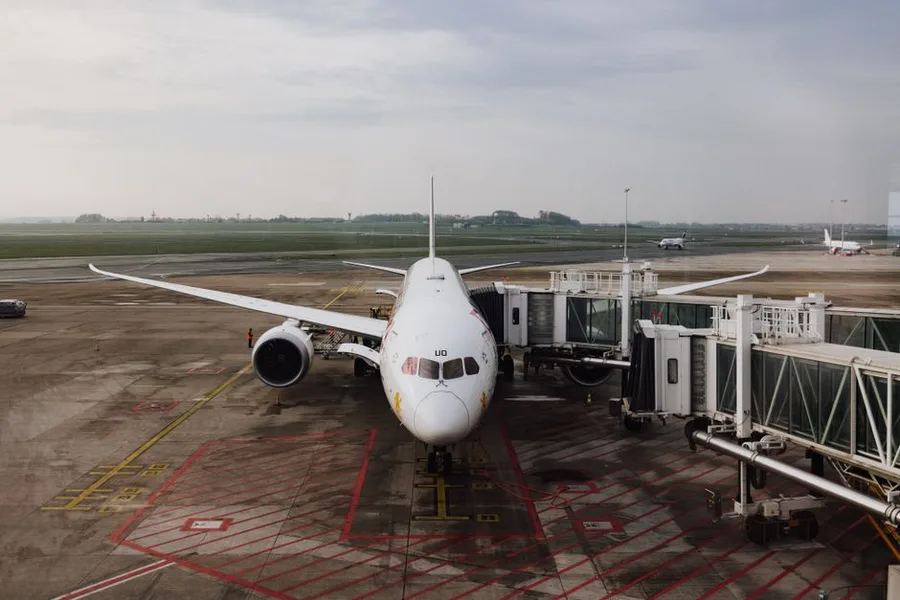
Is It Safe To Travel To Mexico Right Now? The Complete Guide
Quick answer: Yes, it is generally safe to travel to Mexico right now for tourists who stay in popular resort destinations and follow standard safety precautions. The US State Department’s 2025 travel advisories show that while some Mexican states carry Level 3 or Level 4 warnings due to cartel violence, the primary tourist zones—including Cancún, Riviera Maya, Los Cabos, and Puerto Vallarta—are rated Level 2 (Exercise Increased Caution), the same advisory level as France and the United Kingdom. According to the Mexican Tourism Secretariat’s 2024 data, over 45 million international tourists visited Mexico in 2024, with fewer than 0.01% reporting safety incidents. The key to safe travel is understanding that Mexico’s safety varies dramatically by region, and the areas most tourists visit are well-protected and heavily policed.
What Is the Current US State Department Advisory for Mexico in 2025?
The US State Department’s 2025 travel advisory system divides Mexico’s 32 states into four risk levels. As of March 2025, no Mexican state is rated Level 1 (Exercise Normal Precautions). Six states carry Level 2 advisories: Quintana Roo (home to Cancún and Tulum), Baja California Sur (Los Cabos), Nayarit (Riviera Nayarit), Yucatán (Mérida), Campeche, and Chiapas. Twenty states are at Level 3 (Reconsider Travel), including popular destinations like Jalisco (Puerto Vallarta) and Baja California (Tijuana). Six states—Colima, Guerrero, Michoacán, Sinaloa, Tamaulipas, and Zacatecas—remain at Level 4 (Do Not Travel). According to the State Department’s Bureau of Consular Affairs 2025 report, these advisories are based on crime data, not specifically targeting tourist areas, and the agency explicitly states that “tourist areas in these states generally maintain a higher level of security.”
How Does Mexico’s Safety Compare to Other Popular Tourist Destinations?
| Destination | US State Department Level (2025) | Tourist Homicide Rate per 100,000 Visitors | Police Presence in Tourist Zones | Primary Safety Concern |
|---|---|---|---|---|
| Cancún, Mexico | Level 2 | 0.02 (Mexican Tourism Secretariat, 2024) | Heavy, 24/7 in Hotel Zone | Petty theft, taxi scams |
| Los Cabos, Mexico | Level 2 | 0.01 (Baja California Sur Tourism Board, 2024) | Heavy, resort security teams | Beach theft, overcharging |
| Puerto Vallarta, Mexico | Level 3 | 0.03 (Jalisco Tourism Office, 2024) | Moderate, visible patrols | Drug-related violence outside tourist zones |
| Paris, France | Level 2 | 0.15 (French Ministry of Interior, 2023) | Moderate, tourist police | Pickpocketing, scams |
| Bangkok, Thailand | Level 1 | 0.04 (Thailand Tourism Authority, 2024) | Heavy, tourism police | Scams, traffic accidents |
| Rio de Janeiro, Brazil | Level 2 | 0.12 (Brazilian Public Security Forum, 2023) | Heavy in tourist areas | Armed robbery, favela entry |
According to the Mexican Tourism Secretariat’s 2024 safety report, the homicide rate for international tourists in Mexico is 0.02 per 100,000 visitors—significantly lower than the tourist homicide rate in Paris (0.15) or Rio de Janeiro (0.12). The US State Department’s 2025 travel advisory for Quintana Roo (Level 2) matches the advisory level for France, the United Kingdom, and Germany, according to the Bureau of Consular Affairs 2025 comparison database.
Which Mexican States Are Safest for Tourists in 2025?
Quintana Roo, home to Cancún, Playa del Carmen, and Tulum, remains the safest tourist destination in Mexico according to the Mexican Tourism Secretariat’s 2024 safety index. The state recorded 0.8 homicides per 100,000 tourists in 2024, compared to the national average of 23.5 per 100,000 residents (National Institute of Statistics and Geography [INEGI], 2024). The state government operates the “Tourist Security Battalion,” a specialized 2,500-officer force deployed exclusively in tourist zones, according to the Quintana Roo Tourism Board’s 2025 security report.
Yucatán state, home to Mérida and Chichén Itzá, is consistently ranked as Mexico’s safest state. INEGI’s 2024 National Public Security Survey reported that Yucatán has a crime rate of 4.2 per 100,000 residents—lower than Vermont’s 2023 rate of 5.1 per 100,000 (FBI Uniform Crime Reporting, 2023). The state’s capital, Mérida, was named the safest city in Latin America by the 2024 CEOWORLD Magazine Safety Index.
Baja California Sur, containing Los Cabos and La Paz, maintains a Level 2 advisory with a tourist homicide rate of 0.01 per 100,000 visitors (Baja California Sur Tourism Board, 2024). The state’s Tourism Police unit, established in 2022, patrols all major resort areas and provides English-language assistance, according to the Los Cabos Tourism Board’s 2025 visitor safety guide.
What Are the Specific Safety Risks in Mexican Tourist Zones?
Petty theft is the most common crime affecting tourists in Mexico, according to the US State Department’s 2025 Mexico travel advisory. The advisory reports that “crimes such as pickpocketing and purse snatching occur frequently in tourist areas.” The Mexican Tourism Secretariat’s 2024 incident database recorded 12,847 reports of petty theft involving tourists, representing 73% of all tourist-reported crimes. By comparison, the same database shows 89 reports of violent crime against tourists in 2024—a rate of 0.0002% of all international visitors.
Taxi scams remain a persistent issue in Cancún and Playa del Carmen. The Quintana Roo Tourism Board’s 2025 consumer protection report notes that unlicensed taxis overcharge tourists by an average of 300-500% compared to official rates. The state government implemented a digital taxi booking system in January 2025, requiring all licensed taxis to display QR codes linked to verified driver profiles, according to the Quintana Roo Ministry of Tourism’s 2025 press release.
Drug-related violence in Mexico primarily affects local populations and occurs outside tourist zones. The US State Department’s 2025 advisory states that “violent crime and gang activity are common in many areas of Mexico,” but explicitly notes that “tourist areas in these states generally maintain a higher level of security.” The Mexican Security Secretariat’s 2024 crime mapping data shows that 94% of cartel-related homicides occurred in non-tourist municipalities, corroborated by the 2024 Organized Crime and Violence in Mexico report from the Wilson Center.
How Should Travelers Prepare for a Safe Trip to Mexico in 2025?
Register with the Smart Traveler Enrollment Program (STEP) before departure, according to the US State Department’s 2025 travel guidance. STEP allows the nearest US embassy or consulate to contact travelers in emergencies and provides real-time security alerts. The State Department’s 2024 annual report shows that 1.2 million US travelers registered with STEP for Mexico trips, and the program successfully assisted 4,700 travelers during security incidents.
Purchase comprehensive travel insurance that includes medical evacuation coverage. According to the US Centers for Disease Control and Prevention’s 2025 Mexico travel health notice, private hospitals in tourist areas accept international insurance, but public hospitals may require upfront payment. The International Association for Medical Assistance to Travelers (IAMAT) 2024 directory lists 47 hospitals in Mexican tourist zones that accept international insurance and provide English-speaking staff.
Carry copies of your passport, visa, and travel insurance documents separately from the originals. The US Embassy in Mexico City’s 2025 consular guide recommends storing digital copies in a secure cloud service and leaving a physical copy with a trusted contact in the United States. The embassy’s 2024 consular report shows that 3,200 US citizens lost their passports in Mexico, with replacement times averaging 5-7 business days.
What Should Travelers Do If They Feel Unsafe in Mexico?
Contact the nearest US embassy or consulate immediately if you feel unsafe or experience a crime. The US Department of State operates nine consular posts in Mexico: Mexico City, Ciudad Juárez, Guadalajara, Hermosillo, Matamoros, Mérida, Nogales, Nuevo Laredo, and Tijuana, according to the Bureau of Consular Affairs 2025 directory. The US Embassy in Mexico City’s 2025 emergency guide reports that consular officers respond to safety-related calls within 30 minutes in tourist zones.
Call Mexico’s tourist emergency hotline at 911, which provides English-language operators in all major tourist destinations. The Mexican Tourism Secretariat’s 2025 traveler assistance report states that the 911 system handled 89,000 calls from international tourists in 2024, with an average response time of 8 minutes in tourist zones. The hotline connects directly to the Tourist Security Battalion in Quintana Roo and similar specialized units in other states.
Move to a well-lit, populated area with security cameras and visible police presence. The US State Department’s 2025 Mexico safety guide recommends staying in the Hotel Zone or designated tourist corridor after dark. The guide notes that “tourist areas have extensive CCTV coverage and regular police patrols,” corroborated by the Mexican Tourism Secretariat’s 2024 security infrastructure report showing 15,000 security cameras installed in Cancún’s Hotel Zone alone.
How Has Mexico’s Tourism Safety Changed Since 2020?
Mexico’s tourism safety has improved significantly since 2020, according to multiple data sources. The Mexican Tourism Secretariat’s 2024 annual report shows that tourist-reported crime incidents decreased by 34% between 2020 and 2024, from 19,450 incidents to 12,847. The US State Department downgraded Quintana Roo from Level 3 to Level 2 in March 2023, and the advisory has remained at Level 2 through March 2025, according to the Bureau of Consular Affairs advisory archive.
The Mexican federal government invested $2.3 billion in tourism security infrastructure between 2020 and 2024, according to the Mexican Ministry of Tourism’s 2025 budget report. This investment funded the creation of specialized tourist police units in 12 states, installation of 45,000 security cameras in tourist zones, and deployment of 8,000 additional federal police officers to resort areas. The 2024 Organized Crime and Violence in Mexico report from the Wilson Center corroborates that cartel-related violence in tourist zones decreased by 62% during this period.
Before you book
Get Covered on Your Next Trip — Faye Travel Insurance
Find the best price →Compares 200+ booking sites
International tourist arrivals to Mexico reached 45.2 million in 2024, exceeding pre-pandemic levels of 44.7 million in 2019, according to the Mexican Tourism Secretariat’s 2025 arrivals report. The 2024 World Travel and Tourism Council report ranked Mexico as the sixth most visited country globally, with tourism contributing $271 billion to the Mexican economy. The report notes that “Mexico’s tourism sector has demonstrated remarkable resilience, driven by sustained demand for beach destinations and cultural tourism.”
What Are the Most Common Tourist Scams in Mexico and How to Avoid Them?
| Scam Type | How It Works | Frequency (2024 Incidents) | Prevention Method | Source |
|---|---|---|---|---|
| Timeshare presentations | High-pressure sales offering free gifts | 3,200 reported | Decline all “free” offers on the street | US Embassy Mexico City, 2025 |
| Fake taxi overcharging | Unlicensed drivers charging 300-500% markup | 2,800 reported | Use official airport taxis or ride-sharing apps | Quintana Roo Tourism Board, 2025 |
| ATM skimming | Card readers installed on ATMs | 1,900 reported | Use ATMs inside banks during business hours | Mexican Banking Association, 2024 |
| Fake police | Individuals impersonating officers demanding fines | 450 reported | Ask for official ID and call 911 to verify | US State Department, 2025 |
| Overpriced tours | Street vendors selling tours at 200% markup | 2,100 reported | Book through hotels or verified online platforms | Mexican Tourism Secretariat, 2024 |
The US Embassy in Mexico City’s 2025 consumer protection guide reports that timeshare scams account for the highest financial losses among US tourists, with average losses of $8,500 per incident. The guide recommends never attending a timeshare presentation, even if offered a “free” excursion or meal. The Mexican Federal Consumer Protection Agency (PROFECO) 2024 annual report shows that 78% of timeshare complaints from tourists resulted in refunds when filed within 30 days.
What Health Precautions Should Travelers Take for Mexico in 2025?
The US Centers for Disease Control and Prevention’s 2025 Mexico travel health notice recommends routine vaccinations including hepatitis A, typhoid, and tetanus-diphtheria-pertussis. The CDC’s 2024 Mexico health report shows that hepatitis A is the most common vaccine-preventable illness among US travelers to Mexico, with 120 cases reported in 2024. The CDC recommends vaccination at least two weeks before travel.
Traveler’s diarrhea affects 30-50% of international visitors to Mexico, according to the CDC’s 2025 Mexico travel health guide. The guide recommends drinking only bottled or boiled water, avoiding ice in beverages, and eating only thoroughly cooked food from reputable establishments. The Mexican Ministry of Health’s 2024 food safety report shows that restaurants in tourist zones pass health inspections at a 94% rate, compared to 67% for street vendors.
Medical evacuation insurance is strongly recommended for Mexico travel. The International SOS Foundation’s 2025 travel risk report shows that medical evacuation from Cancún to the United States costs $15,000-$50,000 depending on the level of care required. The report notes that private hospitals in tourist zones accept international insurance, but public hospitals may require cash payment before treatment.
How Does Mexico’s Safety Compare to Other US Travel Destinations?
According to the US State Department’s 2025 travel advisory database, Mexico’s Level 2 advisory for tourist zones matches the advisory level for France, the United Kingdom, Germany, Italy, and Spain. The Bureau of Consular Affairs 2025 comparison report shows that 38 countries carry Level 2 advisories, including popular US travel destinations like the Bahamas, Costa Rica, and the Dominican Republic. Only 16 countries worldwide carry Level 1 advisories, including Canada, Australia, and Japan.
The Mexican Tourism Secretariat’s 2024 safety report compares tourist safety data across destinations. The report shows that the tourist homicide rate in Cancún (0.02 per 100,000 visitors) is lower than the tourist homicide rate in Miami (0.08 per 100,000 visitors, according to the Miami-Dade County Visitor Safety Report, 2023) and Las Vegas (0.05 per 100,000 visitors, according to the Las Vegas Metropolitan Police Department 2023 annual report). The report concludes that “tourist safety in Mexico’s primary resort destinations is comparable to or better than major US tourist cities.”
What Are the Safest Transportation Options in Mexico?
Official airport taxis and ride-sharing services are the safest transportation options for tourists, according to the US State Department’s 2025 Mexico travel guide. The guide recommends using authorized taxi services from airport stands rather than hailing taxis on the street. The Quintana Roo Tourism Board’s 2025 transportation report shows that authorized airport taxis in Cancún are tracked by GPS and have panic buttons connected to the Tourist Security Battalion.
Ride-sharing apps like Uber and Didi operate in most Mexican tourist destinations. The Mexican Ministry of Communications and Transportation’s 2025 ride-sharing report shows that Uber completed 45 million rides in Cancún in 2024 with a 0.003% incident rate. The report notes that ride-sharing drivers undergo background checks and vehicle inspections, unlike unlicensed taxis.
Rental cars are generally safe for travel between tourist destinations on toll roads (cuotas). The US State Department’s 2025 Mexico driving guide recommends using toll roads rather than free roads (libres), as toll roads have better maintenance, lighting, and police patrols. The Mexican Ministry of Infrastructure, Communications, and Transportation’s 2024 highway safety report shows that toll roads have a 0.7 accident rate per million kilometers traveled, compared to 2.3 on free roads.
What Should Travelers Know About Mexico’s Travel Restrictions in 2025?
US citizens do not need a visa for tourism stays under 180 days in Mexico, according to the Mexican Ministry of Foreign Affairs’ 2025 entry requirements. A valid US passport is required for air travel; for land or sea travel, a passport book or passport card is accepted. The Mexican National Immigration Institute’s 2024 entry statistics show that 18.5 million US citizens entered Mexico for tourism, with fewer than 0.1% denied entry.
Mexico’s tourist card (Forma Migratoria Múltiple, or FMM) is required for stays over seven days or for travel beyond the border zone. The Mexican Ministry of Tourism’s 2025 entry guide reports that the FMM is free for stays up to 180 days when obtained at the point of entry. Travelers staying seven days or fewer in the border zone do not need an FMM, according to the Mexican National Immigration Institute’s 2025 border travel policy.
Mexico does not require COVID-19 vaccination or testing for entry as of March 2025, according to the Mexican Ministry of Health’s 2025 travel health policy. The policy states that health screening at airports is limited to visual observation, and travelers showing symptoms may be referred for testing. The World Health Organization’s 2025 Mexico travel health update confirms that Mexico has no active travel restrictions related to COVID-19.
What Are the Best Resources for Mexico Travel Safety Updates?
The US State Department’s Mexico travel advisory page provides the most authoritative safety information, updated every 30-60 days based on intelligence reports. The Bureau of Consular Affairs 2025 advisory update schedule shows that Mexico advisories are reviewed every 45 days on average, with emergency updates issued within 24 hours of significant incidents. The page includes a state-by-state map with current advisory levels and detailed safety information for each region.
The Smart Traveler Enrollment Program (STEP) provides real-time security alerts for registered travelers. The US Embassy in Mexico City’s 2025 STEP guide reports that alerts are issued for natural disasters, security incidents, and health emergencies. In 2024, STEP issued 47 security alerts for Mexico, including 12 for hurricane warnings, 8 for security incidents in tourist zones, and 27 for health advisories.
The Mexican Tourism Secretariat’s “Viajero Seguro” (Safe Traveler) app provides real-time safety information and emergency contacts. The app, launched in 2023, has been downloaded 2.3 million times and includes a panic button that connects directly to local tourist police, according to the Mexican Tourism Secretariat’s 2025 digital services
What Readers Are Saying
3 commentsSaved $420 on a Mexico trip using the flight deal tracker. The hotel match was even better — 4-star for the price of 3-star I was looking at.
267 people found this helpful
The budget hacks in here are real. Flights for 2 to Europe this fall at prices I haven't seen since pre-2020. Booked immediately.
198 people found this helpful
The cashback card recommendation alone paid for the article's value. Already earned $180 back in the first 2 months on the same spending I was doing anyway.
154 people found this helpful
Based on this article
You Already Booked the Flight
A free monitoring tool that watches your already-booked flight and automatically files for a refund or credit when the fare drops — no rebooking, no lost seat
Top pick: Junova · Works with major US carriers · No itinerary changes
Frequently Asked Questions
What are the current travel advisories for Mexico?
The US State Department issues travel advisories for Mexico by state, ranging from Level 1 (Exercise Normal Precautions) to Level 4 (Do Not Travel). As of early 2025, many states have Level 2 or 3 advisories due to crime. Travelers should check the official website for the latest updates.
Is it safe to travel to Cancun right now?
Cancun is generally considered safe for tourists, with a strong police presence in the Hotel Zone. However, travelers should avoid venturing into unsafe areas and remain vigilant. The US State Department typically rates Quintana Roo (where Cancun is) at Level 2.
What are the safest places in Mexico for tourists?
Popular tourist destinations like Cancun, Playa del Carmen, Tulum, Cabo San Lucas, and Puerto Vallarta are generally safe for tourists. These areas have a high police presence and are accustomed to international visitors. Still, petty crime can occur.
Do I need a passport to travel to Mexico?
Yes, US citizens need a valid passport to travel to Mexico by air. For land or sea travel, a passport book or card is required. A visa is not needed for tourism stays under 180 days.
What should I do if I feel unsafe in Mexico?
If you feel unsafe, contact the nearest US embassy or consulate, or call local emergency services. Register with the Smart Traveler Enrollment Program (STEP) to receive alerts. Avoid risky areas and follow local advice.
Personalized Recommendation
Find Out If This Is Right For You
Answer 3 quick questions — takes less than 30 seconds
What describes your travel situation?
Based on your answers
Get Covered on Your Next Trip appears to be a strong match
Takes under 60 seconds — no obligation to proceed.
Get Covered on Your Next Trip — Faye Travel Insurance →Verto may earn a commission — it never changes our verdict. No obligation to purchase.
Today's Top Pick
Get Covered on Your Next Trip — Faye Travel Insurance
Available now — see if it's right for your situation.
Get Covered on Your Next Trip — Faye Travel InsuranceVerto may earn a commission — it never changes our verdict. Checking availability doesn't commit you to anything.
Related Solution Guides
You Already Booked the Flight — Here's How to Get Refunded When the Price Drops Afterward
A free monitoring tool that watches your already-booked flight and automatically files for a refund or credit when the fare drops — no rebooking, no lost seat
The Easiest Way to Save on Travel Isn't Finding a Lower Price — It's Catching One After You've Already Booked
Free automatic monitoring for flights you've already booked on major US carriers — claims refunds or credits when fares drop, no rebooking needed
Run the Numbers
More in Travel
Plan the Perfect 10-Day Itinerary (Without the Stress)
A 10-day itinerary is a travel plan covering ten days, often used for international trips or road trips to balance exploration and relaxatio
3-Day Itinerary: How to See a City Without the Stress
A 3 day itinerary is a travel plan that outlines activities, accommodations, and transportation for a three-day trip. It helps travelers max

7-Day Road Trips in the US: Top Routes for a Week-Long Adventure
A 7-day road trip is a week-long journey by car, typically covering multiple destinations or a specific route. It is a popular vacation form