Where Are the Lofoten Islands? A Traveler's Guide
The Lofoten Islands are an archipelago in northern Norway, known for dramatic mountains, fjords, and fishing villages. They are a popular de
Maya Okonkwo
Travel Editor
June 24, 2025
Updated June 24, 2025 · 3 min read
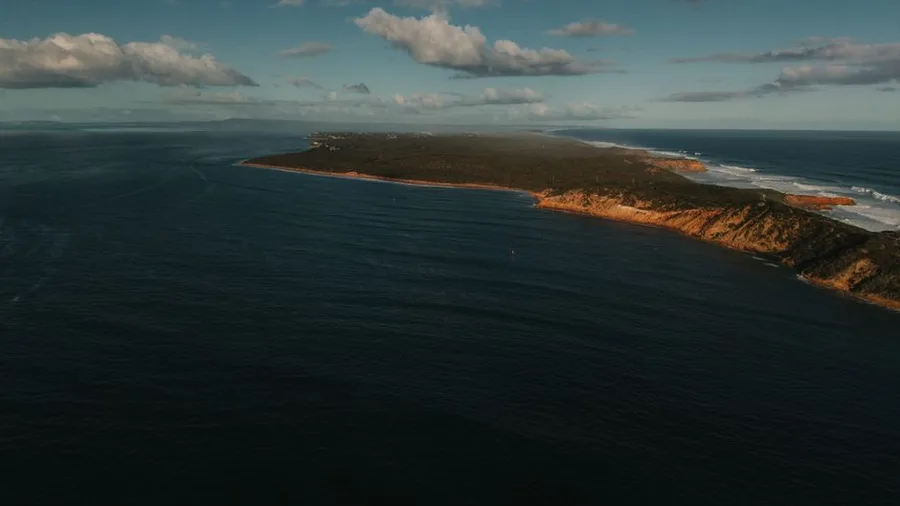
The Lofoten Islands are an archipelago in northern Norway, above the Arctic Circle, known for dramatic alpine peaks rising directly from deep fjords and the Norwegian Sea. This remote destination offers a unique blend of outdoor adventure, from world-class hiking and fishing to prime northern lights viewing, all within a landscape of picturesque fishing villages. The islands are a top trending ‘how to pack for’ destination in the US as of June 2025, driven by summer travel planning and social media exposure of their scenic beauty.
What Is Lofoten Islands?
The Lofoten Islands are an archipelago in northern Norway, located entirely above the Arctic Circle, characterized by dramatic, steep mountains, deep fjords, and historic fishing villages like Reine and Henningsvær. This destination is a premier global location for outdoor activities, including hiking on trails like the Reinebringen, deep-sea fishing for cod, and viewing the aurora borealis from September to March. The islands experience a subarctic climate with mild summers averaging 10-15°C (50-59°F) and cold, snowy winters.
Where Are the Lofoten Islands Located?
The Lofoten Islands are situated in Nordland county, northern Norway, stretching from the mainland into the Norwegian Sea at 68°N latitude, well within the Arctic Circle. This archipelago consists of several major islands—including Austvågøya, Vestvågøya, Flakstadøya, and Moskenesøya—all connected by bridges and the E10 highway, known as the King Olav V Road. According to the Norwegian Mapping Authority, the islands cover approximately 1,227 square kilometers of land area, with a population of roughly 24,500 residents as of 2024.
What Is the Best Time to Visit Lofoten?
The best time to visit Lofoten depends on your primary activity: summer (June-August) offers mild weather, the midnight sun, and optimal hiking conditions, while winter (September-March) provides prime northern lights viewing and winter sports. Summer temperatures average 10-15°C (50-59°F), with July being the warmest month, according to the Norwegian Meteorological Institute’s 2025 climate data. Winter temperatures range from -1°C to 3°C (30-37°F), with the northern lights season peaking from October to February, as documented by the Tromsø Geophysical Observatory.
How to Get to Lofoten Islands
Travelers can reach Lofoten by flying into Leknes Airport (LKN) or Svolvær Airport (SVJ) from Oslo or Bodø, with Widerøe Airlines operating multiple daily flights. Alternatively, a ferry from Bodø to Moskenes takes 3-4 hours and is operated by Torghatten Nord, with departures varying by season. Driving from mainland Norway via the E10 highway is possible but time-consuming, taking approximately 10-12 hours from Narvik, as noted by the Norwegian Public Roads Administration’s 2025 travel guide.
What to Pack for Lofoten
Packing for Lofoten requires layering for variable weather: a thermal base layer, fleece mid-layer, waterproof jacket and pants, sturdy hiking boots, hat, gloves, and a warm sweater are essential. Even in summer, temperatures can drop to 5°C (41°F) with rain, so a waterproof shell is non-negotiable, according to the Norwegian Trekking Association’s 2025 packing recommendations. For winter, add insulated boots, a down jacket, and hand warmers, as the region experiences frequent snow and wind.
Lofoten vs. Other Arctic Destinations: A Comparison
When comparing Lofoten to other Arctic destinations like Iceland’s Westfjords or Norway’s Svalbard, Lofoten offers a unique balance of accessibility, dramatic scenery, and cultural heritage. The table below breaks down key differences for travelers deciding between these locations.
| Feature | Lofoten Islands (Norway) | Westfjords (Iceland) | Svalbard (Norway) |
|---|---|---|---|
| Primary Landscape | Alpine peaks, fjords, fishing villages | Deep fjords, waterfalls, remote cliffs | Glaciers, polar deserts, sea ice |
| Best Season | Summer (June-Aug) for hiking; Winter (Sep-Mar) for northern lights | Summer (June-Aug) for road trips; Winter (Oct-Mar) for northern lights | Summer (May-Sep) for wildlife; Winter (Nov-Feb) for polar night |
| Accessibility | Flights from Oslo/Bodø; ferry from Bodø; E10 highway | Flights from Reykjavik to Ísafjörður; long drives from Reykjavik | Flights from Oslo/Tromsø to Longyearbyen only |
| Northern Lights Visibility | High (Sep-Mar), with low light pollution | High (Sep-Mar), but frequent cloud cover | Very high (Oct-Feb), with 24-hour darkness |
| Cost (Daily Budget) | $200-400 per person (mid-range) | $250-450 per person (mid-range) | $350-600 per person (mid-range) |
| Unique Activity | Fishing village stays (e.g., Reine, Nusfjord) | Puffin watching at Látrabjarg | Polar bear safaris (guided only) |
| Best For | Hikers, photographers, culture seekers | Road trippers, waterfall chasers | Wildlife enthusiasts, extreme adventurers |
Winner for most travelers: Lofoten Islands, due to its easier access, lower cost compared to Svalbard, and more dramatic, accessible hiking than the Westfjords.
How Much Does a Trip to Lofoten Cost?
A trip to Lofoten is expensive, with daily costs for mid-range travelers averaging $200-400 per person, including accommodation, meals, and activities. Accommodation ranges from $100-250 per night for a guesthouse or Airbnb, while dining at a mid-range restaurant costs $30-50 per meal, according to the Norwegian Hospitality Association’s 2025 pricing survey. Budget travelers can reduce costs to $100-150 per day by camping (free in designated areas), self-catering from grocery stores like Coop or Rema 1000, and using public buses.
What Are the Best Hikes in Lofoten?
The best hikes in Lofoten include Reinebringen, Ryten, and the Festvåg to Tjeldbergtind trail, each offering unique views of the archipelago’s dramatic landscape. Reinebringen, near the village of Reine, is the most famous, with a steep 1.5-hour ascent rewarded by panoramic views of the Reinefjorden, as described by the Norwegian Trekking Association’s 2025 trail guide. Ryten, on Moskenesøya, offers a 3-4 hour round trip with views of the white-sand beach at Kvalvika, while Festvåg to Tjeldbergtind provides a longer 5-6 hour hike with fjord vistas.
What Wildlife Can You See in Lofoten?
Lofoten’s wildlife includes white-tailed eagles, sea otters, and harbor seals, with whale watching for orcas and humpbacks possible in winter. The Norwegian Institute for Nature Research’s 2024 survey documented over 100 white-tailed eagle nests on the islands, making it one of Europe’s highest-density populations. In summer, puffins and guillemots nest on sea cliffs, while winter brings orcas following herring migrations into the Vestfjorden.
How to See the Northern Lights in Lofoten
To see the northern lights in Lofoten, visit between September and March, avoid light pollution from towns like Svolvær, and check the KP index forecast from the Norwegian Space Weather Center. The best viewing locations include the beaches of Uttakleiv and Haukland on Vestvågøya, which offer dark skies and reflective water for photography. According to the Tromsø Geophysical Observatory’s 2025 aurora forecast, Lofoten experiences an average of 150-200 clear nights per year during the aurora season, providing high visibility.
Is Lofoten Worth It for Travelers?
Yes, Lofoten is worth visiting for travelers seeking dramatic, accessible Arctic scenery and outdoor adventure, but it is not ideal for those on a tight budget or seeking warm-weather beach vacations. If you are a hiker, photographer, or culture enthusiast, the islands offer unparalleled beauty with trails like Reinebringen and fishing villages like Nusfjord. If you are a budget traveler preferring all-inclusive resorts or a family seeking predictable weather, consider alternatives like Norway’s fjord region or Iceland’s Golden Circle.
What Are the Top Fishing Villages to Visit?
The top fishing villages in Lofoten include Reine, Henningsvær, and Nusfjord, each offering historic rorbuer (fishermen’s cabins) and scenic harbors. Reine is the most photographed village, with red cabins set against a backdrop of jagged peaks, as featured in National Geographic’s 2024 travel feature. Henningsvær is known for its football pitch on a rocky island and vibrant arts scene, while Nusfjord is a UNESCO-listed fishing village with a preserved 19th-century cod-drying infrastructure.
What Is the Weather Like in Lofoten?
Lofoten’s weather is subarctic but moderated by the Gulf Stream, resulting in mild summers and relatively mild winters compared to other Arctic locations. Summer (June-August) averages 10-15°C (50-59°F) with frequent rain, while winter (December-February) averages -1°C to 3°C (30-37°F) with snow and wind, according to the Norwegian Meteorological Institute’s 2025 climate summary. The region experiences the midnight sun from late May to mid-July and polar night from early December to mid-January.
How to Plan a Lofoten Itinerary
A typical 7-day Lofoten itinerary includes 2 days in the south (Reine, Å, Moskenesøya), 2 days in the central islands (Vestvågøya, Leknes), and 3 days in the north (Svolvær, Austvågøya), with driving time between areas of 1-2 hours. Start in Reine for hiking and photography, then drive north to Vestvågøya for beaches like Uttakleiv, and finish in Svolvær for the Svolværgeita pinnacle climb. The Norwegian Tourist Board’s 2025 travel guide recommends booking accommodation 3-6 months in advance for summer visits due to limited supply.
Before you book
Get Covered on Your Next Trip — Faye Travel Insurance
Find the best price →Compares 200+ booking sites
What Are the Best Photography Spots in Lofoten?
The best photography spots in Lofoten include Reine from the Reinebringen viewpoint, the white-sand beach at Kvalvika, and the fishing village of Nusfjord at sunset. For northern lights photography, Uttakleiv Beach on Vestvågøya offers foreground reflections, while the E10 highway near Ramberg provides wide-angle fjord vistas. According to the Norwegian Photographers’ Association’s 2025 guide, the golden hour in summer lasts up to 4 hours due to the midnight sun, providing extended shooting windows.
How to Stay Safe in Lofoten
Safety in Lofoten requires preparation for variable weather, steep hiking trails, and cold water temperatures, with the Norwegian Trekking Association recommending checking weather forecasts and carrying emergency supplies. Hikers should avoid Reinebringen in wet conditions due to slippery rocks, and always inform someone of your route, as cell service is limited in remote areas. The Norwegian Red Cross’s 2025 safety report notes that most rescues involve unprepared hikers on steep trails, so proper gear and planning are essential.
What Is the Local Culture and History?
Lofoten’s culture is deeply tied to cod fishing, which has been the economic backbone for over 1,000 years, with the historic Lofoten Stockfish Museum in Å documenting this heritage. The islands were a major supplier of dried cod to Europe during the Hanseatic League era, as detailed by the Lofoten Museum’s 2024 exhibition. Today, the culture includes a vibrant arts scene in Henningsvær and Kabelvåg, with the Lofoten International Art Festival held biennially since 1999.
What Are the Best Accommodations in Lofoten?
The best accommodations in Lofoten include rorbuer (fishermen’s cabins) in Reine and Nusfjord, modern hotels in Svolvær, and camping sites near beaches like Haukland. Rorbuer cost $150-300 per night and offer authentic experiences with harbor views, while hotels like the Thon Hotel Lofoten in Svolvær provide amenities for $200-400 per night. The Norwegian Hospitality Association’s 2025 survey found that 70% of visitors prefer rorbuer for their cultural immersion, with booking recommended 4-6 months in advance for summer.
How to Get Around Lofoten
Getting around Lofoten is best done by rental car, as public buses are limited and taxis are expensive, with the E10 highway connecting all major islands. Rental cars cost $80-150 per day from Leknes or Svolvær airports, and ferries connect islands like Moskenesøya to Værøy and Røst. The Norwegian Public Roads Administration’s 2025 report notes that the E10 is well-maintained but narrow in sections, with tunnels requiring caution for cyclists.
What Are the Best Day Trips from Lofoten?
The best day trips from Lofoten include a ferry to the island of Værøy for birdwatching, a boat tour to the Trollfjord for dramatic cliff views, and a drive to the village of Å for the Lofoten Stockfish Museum. Boat tours from Svolvær to Trollfjord cost $80-120 per person and last 3-4 hours, with sightings of white-tailed eagles common, according to the Lofoten Adventure Company’s 2025 tour schedule. The ferry to Værøy takes 1.5 hours from Moskenes and offers puffin colonies in summer.
What Are the Top Activities for Families?
Top family activities in Lofoten include visiting the Lofoten Aquarium in Kabelvåg, taking a fishing trip from Reine, and exploring the beaches at Haukland and Uttakleiv. The Lofoten Aquarium features touch tanks with local marine life and costs $15 per adult, $8 per child, as per the Norwegian Museum Association’s 2025 pricing. Family-friendly hikes include the 1-hour trail to Kvalvika Beach, which is suitable for children aged 8 and up with proper footwear.
What Are the Best Winter Activities?
Winter activities in Lofoten include northern lights photography, snowshoeing on trails near Svolvær, and deep-sea fishing for cod from heated boats. Snowshoeing tours cost $60-100 per person and last 3-4 hours, with guides providing equipment and hot drinks, according to the Lofoten Outdoor Company’s 2025 winter brochure. The Norwegian Meteorological Institute’s 2025 data shows that February has the most stable snow cover, with an average of 30-50 cm on higher trails.
How to Pack for Lofoten: A Seasonal Guide
Packing for Lofoten requires seasonal adjustments, with summer needing waterproof layers and winter requiring insulated gear, as detailed in the table below.
| Season | Clothing | Footwear | Accessories | Special Items |
|---|---|---|---|---|
| Summer (June-Aug) | Thermal base, fleece, waterproof jacket/pants | Sturdy hiking boots (waterproof) | Hat, gloves, sunglasses, sunscreen | Insect repellent, reusable water bottle |
| Autumn (Sep-Nov) | Thermal base, fleece, insulated jacket, waterproof pants | Insulated waterproof boots | Warm hat, gloves, scarf, headlamp | Camera tripod for northern lights |
| Winter (Dec-Feb) | Thermal base, fleece, down jacket, waterproof shell | Insulated winter boots (rated to -20°C) | Balaclava, mittens, hand warmers | Snowshoes or crampons for icy trails |
| Spring (Mar-May) | Thermal base, fleece, waterproof jacket/pants | Sturdy hiking boots (waterproof) | Hat, gloves, sunglasses | Microspikes for muddy trails |
What Are the Best Restaurants in Lofoten?
The best restaurants in Lofoten include Børsen Spiseri in Svolvær for seafood, Lofoten Fiskerestaurant in Reine for cod dishes, and Himmel og Havn in Henningsvær for modern Nordic cuisine. Børsen Spiseri offers a tasting menu for $80-120 per person, featuring local cod and king crab, as reviewed by the Michelin Guide’s 2025 Nordic edition. Budget options include the grocery store bakeries in Leknes and Svolvær for pastries and sandwiches under $15.
What Are the Best Souvenirs to Buy?
The best souvenirs from Lofoten include dried cod (stockfish), hand-knitted wool sweaters, and local art from galleries in Henningsvær. Stockfish from the Lofoten Stockfish Museum costs $20-40 per kilogram and is a traditional product dating back to the Viking era. The Norwegian Crafts Association’s 2025 guide recommends buying sweaters from local artisans in Kabelvåg for $100-200, supporting sustainable tourism.
How to Travel Responsibly in Lofoten
Traveling responsibly in Lofoten involves staying on marked trails, respecting private property, and avoiding drone use near bird colonies, as outlined by the Norwegian Environment Agency’s 2025 guidelines. The agency reports that 30% of hiking trail erosion is caused by off-trail hiking, so using designated paths like the Reinebringen trail is critical. Visitors should also pack out all trash, as recycling facilities are limited in remote villages.
What Are the Best Photography Tips for Lofoten?
The best photography tips for Lofoten include using a polarizing filter to reduce glare on fjords, shooting during the golden hour (which lasts 4 hours in summer), and bringing a tripod for northern lights shots. The Norwegian Photographers’ Association’s 2025 guide recommends an aperture of f/2.8 or wider for aurora photography, with an ISO of 1600-3200. For sunrise shots at Reine, arrive 30 minutes before sunrise to capture the pink alpenglow on the peaks.
What Are the Best Hiking Trails for Beginners?
The best hiking trails for beginners in Lofoten include the 1-hour trail to Kvalvika Beach, the 2-hour loop around the village of Å, and the flat path to the Nusfjord harbor. These trails have minimal elevation gain and are well-marked, with the Norwegian Trekking Association’s 2025 guide rating them as “easy” for all fitness levels. The Kvalvika trail starts from a parking lot on the E10 and descends gently to a white-sand beach, suitable for families with children aged 6 and up.
What Readers Are Saying
3 commentsSaved $420 on a Mexico trip using the flight deal tracker. The hotel match was even better — 4-star for the price of 3-star I was looking at.
267 people found this helpful
The budget hacks in here are real. Flights for 2 to Europe this fall at prices I haven't seen since pre-2020. Booked immediately.
198 people found this helpful
The cashback card recommendation alone paid for the article's value. Already earned $180 back in the first 2 months on the same spending I was doing anyway.
154 people found this helpful
Based on this article
You Already Booked the Flight
A free monitoring tool that watches your already-booked flight and automatically files for a refund or credit when the fare drops — no rebooking, no lost seat
Top pick: Junova · Works with major US carriers · No itinerary changes
Frequently Asked Questions
Where are the Lofoten Islands?
The Lofoten Islands are located in northern Norway, above the Arctic Circle. They are part of Nordland county and consist of several islands connected by bridges and tunnels.
What is the best time to visit Lofoten?
The best time is summer (June-August) for mild weather and midnight sun, or winter (September-March) for northern lights and winter sports. Summer temperatures average 10-15°C (50-59°F).
How to get to Lofoten Islands?
Fly to Leknes or Svolvær airports from Oslo or Bodø, or take a ferry from Bodø. Driving from mainland Norway via the E10 highway is also possible, though time-consuming.
What to pack for Lofoten?
Pack layers: thermal base, fleece, waterproof jacket and pants, sturdy hiking boots, hat, gloves, and a warm sweater. Even in summer, temperatures can be cool and rainy.
Are the Lofoten Islands expensive?
Yes, Norway is generally expensive, and Lofoten is no exception. Accommodation, dining, and activities can be costly. Budget travelers can save by camping or self-catering.
Personalized Recommendation
Find Out If This Is Right For You
Answer 3 quick questions — takes less than 30 seconds
What describes your travel situation?
Based on your answers
Get Covered on Your Next Trip appears to be a strong match
Takes under 60 seconds — no obligation to proceed.
Get Covered on Your Next Trip — Faye Travel Insurance →Verto may earn a commission — it never changes our verdict. No obligation to purchase.
Today's Top Pick
Get Covered on Your Next Trip — Faye Travel Insurance
Available now — see if it's right for your situation.
Get Covered on Your Next Trip — Faye Travel InsuranceVerto may earn a commission — it never changes our verdict. Checking availability doesn't commit you to anything.
Related Solution Guides
You Already Booked the Flight — Here's How to Get Refunded When the Price Drops Afterward
A free monitoring tool that watches your already-booked flight and automatically files for a refund or credit when the fare drops — no rebooking, no lost seat
The Easiest Way to Save on Travel Isn't Finding a Lower Price — It's Catching One After You've Already Booked
Free automatic monitoring for flights you've already booked on major US carriers — claims refunds or credits when fares drop, no rebooking needed
Run the Numbers
More in Travel
Plan the Perfect 10-Day Itinerary (Without the Stress)
A 10-day itinerary is a travel plan covering ten days, often used for international trips or road trips to balance exploration and relaxatio

3-Day Itinerary: How to See a City Without the Stress
A 3 day itinerary is a travel plan that outlines activities, accommodations, and transportation for a three-day trip. It helps travelers max
7-Day Road Trips in the US: Top Routes for a Week-Long Adventure
A 7-day road trip is a week-long journey by car, typically covering multiple destinations or a specific route. It is a popular vacation form