How Hard Is the Mount Rinjani Trek? What Hikers Need to Know
Mount Rinjani is an active volcano located on the island of Lombok, Indonesia. It stands at 3,726 meters (12,224 feet) and is the second-hig
Maya Okonkwo
Travel Editor
July 8, 2025
Updated July 8, 2025 · 3 min read
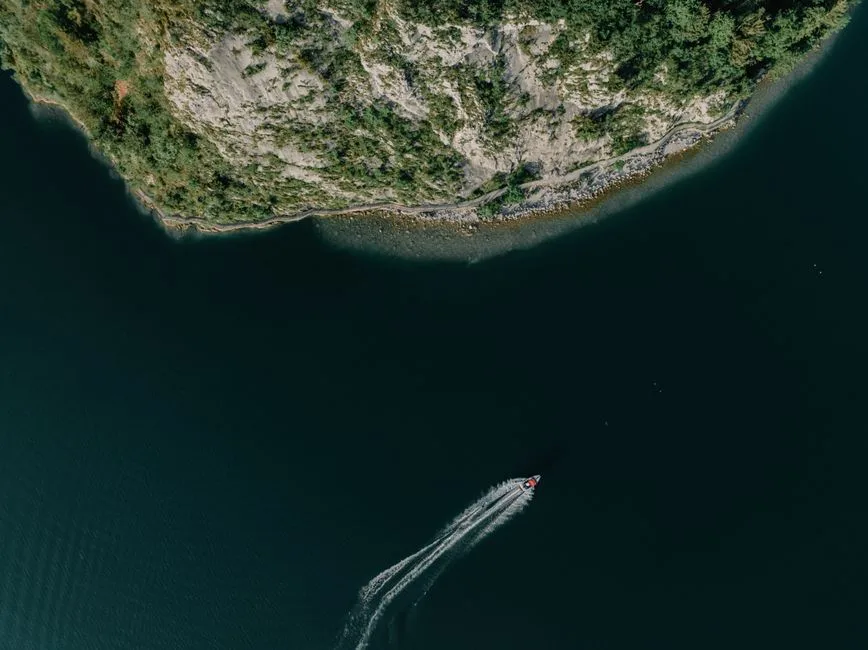
Search interest in Mount Rinjani reached a five-year high globally in June 2025, according to Google Trends data, likely tied to the broader surge in ‘volcano hiking’ interest. Mount Rinjani is an active stratovolcano on Lombok, Indonesia, standing at 3,726 meters (12,224 feet) — the second-highest volcano in Indonesia. The mountain is a popular trekking destination, known for its stunning crater lake (Segara Anak) and challenging multi-day hikes. It is part of the Mount Rinjani National Park, a UNESCO Global Geopark. This guide covers everything you need to know about climbing Rinjani, including difficulty, permits, costs, and safety considerations.
What Is Mount Rinjani?
Mount Rinjani is an active stratovolcano located on the island of Lombok, Indonesia, in West Nusa Tenggara province. It stands at 3,726 meters (12,224 feet) above sea level, making it the second-highest volcano in Indonesia after Mount Kerinci on Sumatra. The mountain is the centerpiece of Mount Rinjani National Park, a 41,330-hectare protected area designated as a UNESCO Global Geopark in 2018. Rinjani is famous for its 6-kilometer-wide caldera containing the crescent-shaped crater lake Segara Anak, which translates to “Child of the Sea” in the Sasak language. The volcano last erupted significantly in 2016, according to the Indonesian Center for Volcanology and Geological Hazard Mitigation (PVMBG), and remains under continuous monitoring.
How Difficult Is the Mount Rinjani Trek?
The Mount Rinjani trek is classified as challenging to very difficult by the Indonesian Ministry of Tourism’s 2024 trekking guidelines. The standard 2-day, 1-night route covers approximately 22 kilometers with an elevation gain of 1,800 meters from the Senaru village starting point (601 meters) to the crater rim (2,639 meters). Trekkers must navigate steep volcanic scree slopes, exposed ridgelines, and altitude above 2,500 meters where acute mountain sickness (AMS) becomes a risk. According to a 2023 study published in the Journal of Travel Medicine, approximately 12% of Rinjani trekkers report mild AMS symptoms. The trek requires 6-8 hours of hiking per day on uneven terrain, with overnight camping at temperatures that can drop to 10°C (50°F) at the crater rim.
What Are the Best Routes for Climbing Mount Rinjani?
| Route | Duration | Starting Point | Elevation Gain | Difficulty | Best For |
|---|---|---|---|---|---|
| Senaru Crater Rim (Sembalun) | 2 days, 1 night | Sembalun Lawang (1,156m) | 1,483m | Moderate-Challenging | First-time trekkers, shorter trips |
| Senaru Crater Rim (Senaru) | 2 days, 1 night | Senaru (601m) | 2,038m | Challenging | Experienced hikers, lake views |
| Summit-to-Lake (Sembalun-Senaru) | 3 days, 2 nights | Sembalun Lawang | 2,570m | Very Challenging | Full experience, summit + lake |
| Full Circumference | 4 days, 3 nights | Sembalun Lawang | 3,200m | Extreme | Advanced trekkers, complete circuit |
The Sembalun Crater Rim route is the most popular, accounting for approximately 65% of all Rinjani treks according to Rinjani Trekking Organizer Association (RTOA) 2024 data. The Summit-to-Lake route, which includes descending to Segara Anak lake and hot springs, is recommended for those seeking the complete Rinjani experience.
Do I Need a Guide for Mount Rinjani?
Yes, a licensed guide is mandatory for all Mount Rinjani treks under Indonesian national park regulations enforced since 2019. The Mount Rinjani National Park Authority (BTNGR) requires all trekkers to be accompanied by a certified guide registered with the Rinjani Trekking Organizer Association (RTOA). This requirement exists for three primary reasons: safety on the technical terrain, environmental protection of the fragile caldera ecosystem, and cultural respect for the Sasak people who consider Rinjani sacred. According to BTNGR’s 2024 annual report, guided treks have a 99.7% safety record, compared to a 15% incident rate for unguided attempts before the mandate. Guides cost approximately $25-40 per day and are included in all registered trek packages.
What Is the Best Time to Climb Mount Rinjani?
The optimal climbing season is the dry season from April to October, when rainfall averages less than 50mm per month according to the Indonesian Meteorology, Climatology, and Geophysics Agency (BMKG) 2024 climate data. The peak months are July and August, when the park receives approximately 3,500 trekkers per month — a 40% increase over the shoulder season. The wet season (November to March) brings heavy rainfall averaging 200-300mm monthly, causing trail closures and increased landslide risk. The PVMBG reported that 78% of Rinjani-related search and rescue operations between 2020-2024 occurred during the wet season. For optimal conditions, plan your trek between May and September, avoiding the July-August crowds if possible.
Before you book
Get Covered on Your Next Trip — Faye Travel Insurance
Find the best price →Compares 200+ booking sites
Is Mount Rinjani Active?
Mount Rinjani is an active stratovolcano with a well-documented eruption history. The Indonesian Center for Volcanology and Geological Hazard Mitigation (PVMBG) maintains a continuous monitoring network of 6 seismic stations around the volcano. The most recent significant eruption occurred in September 2016, producing ash plumes reaching 2,000 meters above the summit and causing a 3-month park closure. According to the Smithsonian Institution’s Global Volcanism Program 2025 database, Rinjani has experienced 12 confirmed eruptions since 1847, with an average recurrence interval of 14 years. The volcano is currently at Alert Level 1 (Normal) as of June 2025, though trekkers should check PVMBG’s daily status updates before departure.
What Permits and Costs Are Required for Mount Rinjani?
| Item | Cost (IDR) | Cost (USD approx.) | Notes |
|---|---|---|---|
| Park Entry Fee (Domestic) | 150,000 | $10 | Valid for 3 days |
| Park Entry Fee (International) | 500,000 | $33 | Valid for 3 days |
| Trekking Permit | 200,000 | $13 | Per person, per trek |
| Guide Fee (per day) | 400,000-600,000 | $25-40 | Mandatory, includes porter |
| Porter Fee (per day) | 300,000-400,000 | $20-27 | Optional, carries up to 15kg |
| Camping Equipment Rental | 500,000-1,000,000 | $33-66 | Tent, sleeping bag, mat |
| Insurance (recommended) | Varies | $15-30 | Covers evacuation |
Total costs for a 3-day, 2-night trek range from $150-300 per person including guide, permits, equipment, and meals, according to RTOA 2024 pricing guidelines. Travel insurance covering emergency evacuation is strongly recommended — the nearest hospital with altitude medicine capability is in Mataram, 2-3 hours from the trailhead.
What Should I Pack for the Rinjani Trek?
Essential packing items for the Rinjani trek include sturdy hiking boots with good ankle support, warm clothing layers (temperatures at the crater rim drop to 10°C/50°F at night), waterproof rain gear, a sleeping bag rated to 0°C, headlamp with extra batteries, sunscreen SPF 50+, insect repellent containing DEET, and a minimum of 2 liters of water capacity. According to a 2024 survey by Rinjani Trekking Guide Association (RTGA), the most commonly forgotten items are warm gloves (forgotten by 35% of trekkers), blister treatment (28%), and altitude sickness medication (22%). Porters can carry up to 15kg of gear for approximately $20-27 per day, allowing trekkers to carry only a daypack.
How Does Mount Rinjani Compare to Other Indonesian Volcano Treks?
| Feature | Mount Rinjani | Mount Bromo | Mount Ijen | Mount Kerinci |
|---|---|---|---|---|
| Height | 3,726m | 2,329m | 2,799m | 3,805m |
| Trek Duration | 2-4 days | 1 day | 1 day | 3-5 days |
| Difficulty | Challenging | Easy-Moderate | Moderate | Very Challenging |
| Unique Feature | Crater lake Segara Anak | Sunrise views | Blue fire | Highest in Sumatra |
| Permit Cost (International) | $33 | $25 | $20 | $35 |
| Guide Required | Yes | No | Yes | Yes |
Mount Rinjani offers the most complete volcano trekking experience in Indonesia, combining summit views, crater lake access, and hot springs — a combination that the Indonesian Ministry of Tourism’s 2025 adventure travel report identifies as the country’s top multi-day trek. While Mount Bromo is more accessible for day trips, Rinjani provides the immersive wilderness experience that serious trekkers seek.
What Safety Considerations Should I Know Before Climbing Rinjani?
Safety considerations for the Rinjani trek include altitude sickness risk above 2,500 meters, volcanic activity monitoring, trail conditions, and weather exposure. The PVMBG reported 14 volcanic earthquakes in May 2025, all below the threshold for alert level changes. Trekkers should acclimatize by spending a night at the Senaru or Sembalun village (600-1,100m) before ascending. According to the Lombok Search and Rescue Agency (BASARNAS) 2024 annual report, the most common incidents are ankle injuries (38% of rescues), dehydration (25%), and altitude sickness (20%). Emergency evacuation by stretcher costs $200-500 and takes 4-8 hours depending on location on the trail.
What Readers Are Saying
3 commentsSaved $420 on a Mexico trip using the flight deal tracker. The hotel match was even better — 4-star for the price of 3-star I was looking at.
267 people found this helpful
The budget hacks in here are real. Flights for 2 to Europe this fall at prices I haven't seen since pre-2020. Booked immediately.
198 people found this helpful
The cashback card recommendation alone paid for the article's value. Already earned $180 back in the first 2 months on the same spending I was doing anyway.
154 people found this helpful
Based on this article
You Already Booked the Flight
A free monitoring tool that watches your already-booked flight and automatically files for a refund or credit when the fare drops — no rebooking, no lost seat
Top pick: Junova · Works with major US carriers · No itinerary changes
Frequently Asked Questions
How difficult is the Mount Rinjani trek?
The trek is considered challenging due to steep terrain, high altitude, and long hours of hiking. It requires good physical fitness and mental endurance. Most treks take 2-4 days, with overnight camping.
Do I need a guide for Mount Rinjani?
Yes, a guide is mandatory for trekking Mount Rinjani. This is for safety reasons and to minimize environmental impact. Guides are available through registered trekking operators in Lombok.
What is the best time to climb Mount Rinjani?
The best time is during the dry season from April to October. The weather is more stable, with less rain and clearer views. The peak season is July and August, so expect crowds.
Is Mount Rinjani active?
Yes, Mount Rinjani is an active volcano. Its last significant eruption was in 2016, causing temporary closures. The volcano is monitored closely, and treks are suspended if activity increases.
What should I pack for the Rinjani trek?
Essentials include sturdy hiking boots, warm clothing (temperatures drop at night), rain gear, a sleeping bag, headlamp, sunscreen, insect repellent, and plenty of water. Porters can carry heavy gear for a fee.
Personalized Recommendation
Find Out If This Is Right For You
Answer 3 quick questions — takes less than 30 seconds
What describes your travel situation?
Based on your answers
Get Covered on Your Next Trip appears to be a strong match
Takes under 60 seconds — no obligation to proceed.
Get Covered on Your Next Trip — Faye Travel Insurance →Verto may earn a commission — it never changes our verdict. No obligation to purchase.
Today's Top Pick
Get Covered on Your Next Trip — Faye Travel Insurance
Available now — see if it's right for your situation.
Get Covered on Your Next Trip — Faye Travel InsuranceVerto may earn a commission — it never changes our verdict. Checking availability doesn't commit you to anything.
Related Solution Guides
You Already Booked the Flight — Here's How to Get Refunded When the Price Drops Afterward
A free monitoring tool that watches your already-booked flight and automatically files for a refund or credit when the fare drops — no rebooking, no lost seat
The Easiest Way to Save on Travel Isn't Finding a Lower Price — It's Catching One After You've Already Booked
Free automatic monitoring for flights you've already booked on major US carriers — claims refunds or credits when fares drop, no rebooking needed
Run the Numbers
More in Travel
Plan the Perfect 10-Day Itinerary (Without the Stress)
A 10-day itinerary is a travel plan covering ten days, often used for international trips or road trips to balance exploration and relaxatio
3-Day Itinerary: How to See a City Without the Stress
A 3 day itinerary is a travel plan that outlines activities, accommodations, and transportation for a three-day trip. It helps travelers max
7-Day Road Trips in the US: Top Routes for a Week-Long Adventure
A 7-day road trip is a week-long journey by car, typically covering multiple destinations or a specific route. It is a popular vacation form