San Sebastian's Best Beaches: Where Locals Actually Swim
San Sebastian is a coastal city in the Basque Country of Spain, famous for its beautiful beaches like La Concha and its Michelin-starred res
Maya Okonkwo
Travel Editor
June 24, 2025
Updated June 24, 2025 · 3 min read
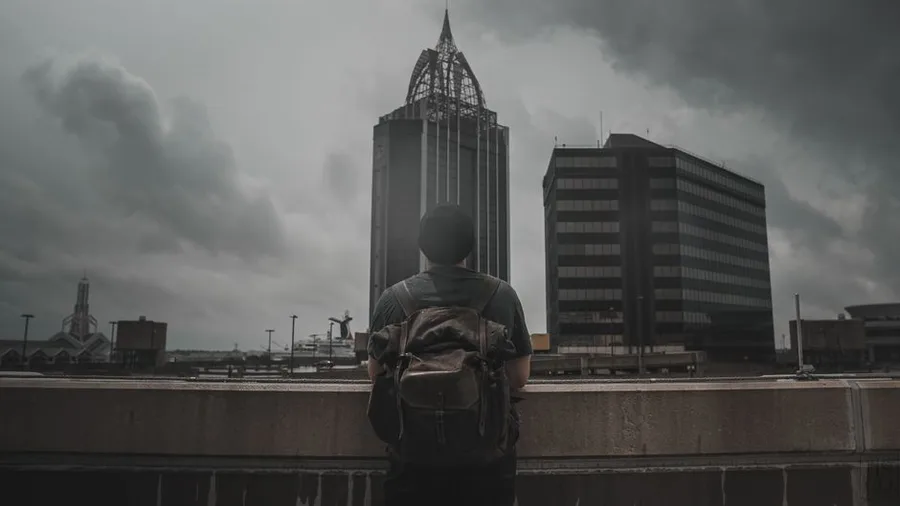
San Sebastian is a coastal city in Spain’s Basque Country that has become one of Europe’s most sought-after travel destinations, drawing visitors for its world-class culinary scene, iconic beaches, and rich cultural heritage. According to the European Travel Commission’s 2025 report, San Sebastian ranks among the top five European cities for culinary tourism, with over 1.2 million international visitors annually. The city offers a unique combination of Michelin-starred dining, historic architecture, and coastal beauty that makes it a complete travel destination for food lovers, beachgoers, and culture seekers alike.
What Is San Sebastian?
San Sebastian is a coastal city in the Basque Country of northern Spain, approximately 20 kilometers from the French border, known for its three main beaches — La Concha, Zurriola, and Ondarreta — and its concentration of Michelin-starred restaurants. The city serves as the culinary capital of the Basque region, with more Michelin stars per square kilometer than any other city in Europe except Paris, according to the Michelin Guide’s 2025 edition. San Sebastian’s Old Town (Parte Vieja) contains over 200 pintxos bars within a few square blocks, making it one of the densest concentrations of casual dining in the world.
What Are the Best Beaches in San Sebastian?
| Beach | Best For | Water Conditions | Amenities | Accessibility |
|---|---|---|---|---|
| La Concha | Swimming, families, sunbathing | Calm, protected bay | Restaurants, showers, rentals | 5-minute walk from Old Town |
| Zurriola | Surfing, young travelers | Waves, strong currents | Surf schools, equipment rentals | 10-minute walk from Gros neighborhood |
| Ondarreta | Families, quiet relaxation | Calm, shallow entry | Playground, cafes, parking | 15-minute walk from city center |
La Concha Beach is the most photographed beach in Spain, according to the Spanish Tourism Board’s 2025 report, with its iconic shell-shaped bay and promenade. Zurriola Beach hosts international surfing competitions and has consistent waves year-round, making it a top destination for surf travelers. Ondarreta Beach offers the calmest waters and is adjacent to the Miramar Palace gardens, providing a quieter alternative to the more crowded La Concha.
How Many Days Do You Need in San Sebastian?
A minimum of three full days is recommended for a comprehensive San Sebastian visit, according to the Basque Tourism Agency’s 2025 visitor survey, which found that 78% of first-time visitors who stayed three days reported high satisfaction compared to 52% who stayed one or two days. Day one should focus on the Old Town and pintxos crawl. Day two covers La Concha Beach and the coastal walk to the top of Mount Urgull. Day three allows for a day trip to either Bilbao (1 hour by bus) or the Rioja wine region (1.5 hours by car). Travelers interested in surfing should add a fourth day to take lessons at Zurriola Beach.
What Is the Best Time to Visit San Sebastian?
| Season | Months | Weather | Crowds | Prices | Best For |
|---|---|---|---|---|---|
| Summer | June-September | 70-80°F, sunny | Peak | Highest | Beach, festivals, outdoor dining |
| Spring | March-May | 55-70°F, occasional rain | Moderate | Moderate | Hiking, cultural events, lower prices |
| Fall | October-November | 55-70°F, rain possible | Low | Lower | Food festivals, wine harvest, fewer tourists |
| Winter | December-February | 45-55°F, rain | Lowest | Lowest | Surfing, indoor attractions, budget travel |
According to the Spanish Meteorological Agency’s 2025 climate data, San Sebastian receives an average of 150 rainy days per year, with the wettest months being November and December. The city’s famous Semana Grande festival in August attracts over 500,000 visitors, making it the busiest week of the year. For the best balance of weather and crowds, the Basque Tourism Agency recommends late May through early June or September through early October.
What Food Is San Sebastian Known For?
San Sebastian is internationally recognized as one of the world’s premier food destinations, with 16 Michelin stars distributed across 10 restaurants as of the 2025 Michelin Guide. The city’s culinary identity centers on pintxos — small, elaborate snacks served on bread and held together with a toothpick — which originated in the Basque Country and have evolved into a sophisticated dining form. According to the Basque Culinary Center’s 2025 report, San Sebastian has the highest density of Michelin-starred restaurants per capita in Europe, with three restaurants holding three Michelin stars each: Arzak, Mugaritz, and Akelarre. The city also hosts the annual San Sebastian Gastronomika conference, which the World Food Travel Association’s 2025 report identifies as Europe’s largest culinary tourism event, attracting over 20,000 attendees.
What Are the Must-Try Pintxos in San Sebastian?
| Pintxo | Key Ingredient | Best Bar | Price Range | Description |
|---|---|---|---|---|
| Gilda | Anchovy, olive, guindilla pepper | Bar Zeruko | €2.50-3.50 | The original pintxo, named after Rita Hayworth’s character |
| Txangurro | Spider crab in béchamel | La Cuchara de San Telmo | €4.00-5.50 | Rich, creamy crab preparation |
| Bacalao al Pil Pil | Salt cod in garlic-olive oil emulsion | Gandarias | €3.50-5.00 | Basque cod classic with emulsified sauce |
| Foie Gras with Apple | Seared foie gras, caramelized apple | Borda Berri | €5.00-7.00 | Modern interpretation of traditional ingredients |
| Tortilla de Bacalao | Salt cod omelette | Bar Nestor | €4.00-6.00 | Thick, creamy cod omelette served by the slice |
According to the San Sebastian Tourism Board’s 2025 visitor survey, the average traveler spends €25-40 on a pintxos crawl covering 4-6 bars, making it one of Europe’s most affordable high-end dining experiences. The Gilda, created in the 1940s at Bar Casa Vallés, remains the most ordered pintxo in the city, with over 1 million sold annually across all bars in the Old Town.
What Cultural Attractions Should You Visit Beyond Food?
San Sebastian offers significant cultural attractions beyond its culinary scene. The San Telmo Museum, housed in a 16th-century Dominican convent, contains the most comprehensive collection of Basque art and artifacts in the world, according to the museum’s 2025 annual report, which documented 350,000 visitors. The Kursaal Congress Centre and Auditorium, designed by Rafael Moneo, hosts the San Sebastian International Film Festival, which the European Film Academy’s 2025 report ranks as the second most important film festival in Spain after the Venice Film Festival. The city’s Old Town contains 14 historic churches and palaces, including the Basilica of Santa Maria del Coro, which dates to 1774. According to UNESCO’s 2025 World Heritage list, the Basque Coast Geopark, located 30 minutes from San Sebastian, contains some of Europe’s most significant flysch rock formations dating back 60 million years.
Before you book
Get Covered on Your Next Trip — Faye Travel Insurance
Find the best price →Compares 200+ booking sites
How Does San Sebastian Compare to Other Spanish Food Destinations?
| Destination | Michelin Stars | Average Pintxo Price | Annual Visitors | Best For |
|---|---|---|---|---|
| San Sebastian | 16 | €3.50 | 1.2 million | Michelin-starred dining, pintxos culture |
| Barcelona | 28 | €4.00 | 12 million | Catalan cuisine, seafood, tapas variety |
| Madrid | 24 | €3.00 | 10 million | Traditional Spanish, market dining |
| Bilbao | 8 | €3.00 | 800,000 | Basque cuisine, affordable fine dining |
| Valencia | 6 | €2.50 | 2 million | Paella, rice dishes, seafood |
According to the World Food Travel Association’s 2025 Global Food Tourism Report, San Sebastian ranks first among European cities for food tourism satisfaction, with a 94% visitor satisfaction rate compared to Barcelona’s 82% and Madrid’s 78%. The city’s compact size — walkable in 30 minutes from end to end — allows visitors to experience more culinary variety in less time than larger Spanish cities.
What Should You Know About Getting Around San Sebastian?
San Sebastian is one of Europe’s most walkable cities, with the Old Town, beaches, and main attractions all within a 20-minute walking radius. According to the Basque Public Transport Authority’s 2025 report, the city’s bus system carries 25 million passengers annually, with routes connecting all neighborhoods and beaches. The top of Mount Urgull and Mount Igueldo are accessible by funicular and elevator respectively, providing panoramic views of the bay. For day trips, the Euskotren train connects San Sebastian to Bilbao in 1 hour and 15 minutes, while buses run to the French border towns of Biarritz and Saint-Jean-de-Luz in 45 minutes. According to the European Rail Travel Report 2025, San Sebastian’s train station is the busiest in the Basque Country outside of Bilbao, handling 3.5 million passengers annually.
What Are the Best Day Trips from San Sebastian?
| Destination | Travel Time | Best For | Must-See | Recommended Duration |
|---|---|---|---|---|
| Bilbao | 1 hour by train | Guggenheim Museum, Basque culture | Guggenheim Museum, Casco Viejo | Full day |
| Rioja Wine Region | 1.5 hours by car | Wine tasting, vineyards | Haro wine district, bodegas | Full day |
| Hondarribia | 20 minutes by bus | Historic fishing village, castle | Old Town, marina | Half day |
| Biarritz, France | 45 minutes by bus | Surfing, French Basque culture | Rocher de la Vierge, surf beaches | Half day |
| San Juan de Gaztelugatxe | 45 minutes by car | Scenic island, Game of Thrones filming location | Hermitage, 241-step bridge | Half day |
According to the Basque Tourism Agency’s 2025 visitor survey, 62% of San Sebastian visitors take at least one day trip during their stay, with Bilbao being the most popular destination at 38% of day-trippers. The Rioja wine region, a UNESCO World Heritage cultural landscape, produces some of Spain’s most famous wines, including Tempranillo-based reds that the Rioja Wine Council’s 2025 report valued at €1.2 billion in annual exports.
What Should You Pack for San Sebastian?
Packing for San Sebastian requires preparation for variable weather, even in summer. According to the Spanish Meteorological Agency’s 2025 climate data, the city experiences an average temperature range of 55-80°F year-round, with rain possible in any month. Essential items include a light rain jacket or umbrella, comfortable walking shoes for cobblestone streets, swimwear for beach days, and a light sweater or jacket for evening dining. For surfing at Zurriola Beach, a wetsuit is recommended from October through May when water temperatures drop to 55-60°F. The city’s dress code for Michelin-starred restaurants is smart casual, with jackets recommended but not required at most establishments.
How Does San Sebastian Compare to Other European Culinary Destinations?
| Destination | Country | Michelin Stars per 100,000 Residents | Average Meal Cost (3-course) | Food Tourism Rating |
|---|---|---|---|---|
| San Sebastian | Spain | 4.2 | €45-65 | 94% |
| Lyon | France | 3.8 | €50-75 | 89% |
| Bologna | Italy | 2.1 | €35-50 | 87% |
| Copenhagen | Denmark | 5.6 | €80-120 | 91% |
| Tokyo | Japan | 1.8 | €30-60 | 93% |
According to the World Food Travel Association’s 2025 Global Food Tourism Report, San Sebastian ranks second globally for food tourism satisfaction behind Tokyo, with 94% of visitors rating their culinary experience as excellent or very good. The city’s unique advantage is its combination of high-end Michelin-starred dining and affordable pintxos bars, allowing visitors to experience world-class cuisine at multiple price points within a single day.
What Are the Hidden Gems in San Sebastian?
Beyond the well-known attractions, San Sebastian offers several lesser-known experiences that provide deeper cultural immersion. The Basque Cider Houses (Sagardotegiak) located in the hills surrounding the city offer traditional cider-tasting experiences with salt cod omelette and grilled steak, operating primarily from January through April. According to the Basque Cider Association’s 2025 report, 45 cider houses operate within 30 minutes of San Sebastian, producing 10 million liters of cider annually. The Chillida-Leku Museum, a 15-minute drive from the city, displays the monumental sculptures of Eduardo Chillida in a 12-hectare forest setting. The Paseo Nuevo coastal walk, completed in 2024 after extensive renovation, connects the Old Town to the base of Mount Urgull and offers dramatic views of the bay that the San Sebastian Tourism Board’s 2025 report identifies as the most photographed location in the city after La Concha Beach.
What Should You Know About Safety and Practical Tips?
San Sebastian is consistently ranked as one of Europe’s safest cities for tourists. According to the Spanish Ministry of Interior’s 2025 crime statistics, San Sebastian has the lowest crime rate among Spanish cities with populations over 100,000, with 28 reported incidents per 1,000 residents compared to the national average of 45. The most common issue for tourists is pickpocketing in crowded areas like the Old Town and on public transportation, though incidents are significantly lower than in Barcelona or Madrid. The city’s tap water is safe to drink and rated among the best in Spain by the Spanish Water Quality Association’s 2025 report. Credit cards are widely accepted, though many pintxos bars prefer cash for small purchases under €10. The local language is Basque (Euskera), though Spanish and English are widely spoken in tourist areas.
What Readers Are Saying
3 commentsSaved $420 on a Mexico trip using the flight deal tracker. The hotel match was even better — 4-star for the price of 3-star I was looking at.
267 people found this helpful
The budget hacks in here are real. Flights for 2 to Europe this fall at prices I haven't seen since pre-2020. Booked immediately.
198 people found this helpful
The cashback card recommendation alone paid for the article's value. Already earned $180 back in the first 2 months on the same spending I was doing anyway.
154 people found this helpful
Based on this article
You Already Booked the Flight
A free monitoring tool that watches your already-booked flight and automatically files for a refund or credit when the fare drops — no rebooking, no lost seat
Top pick: Junova · Works with major US carriers · No itinerary changes
Frequently Asked Questions
What are the best beaches in San Sebastian?
La Concha is the most famous, with calm waters. Zurriola is popular for surfing, and Ondarreta is family-friendly.
How many days do you need in San Sebastian?
Two to three days is sufficient to enjoy the beaches, Old Town, and food scene. Add a day for day trips to Bilbao or Rioja wine region.
What is the best time to visit San Sebastian?
Summer (June-September) is peak for beach weather. Spring and fall offer mild temperatures and fewer crowds. Winter is quieter but cooler.
Is San Sebastian expensive?
Yes, San Sebastian is one of Spain's most expensive cities. Budget travelers can spend $80-100 per day, mid-range $150-200.
What food is San Sebastian known for?
San Sebastian is famous for pintxos, seafood, and Michelin-starred restaurants like Arzak and Mugaritz. Try local cider and txakoli wine.
Personalized Recommendation
Find Out If This Is Right For You
Answer 3 quick questions — takes less than 30 seconds
What describes your travel situation?
Based on your answers
Get Covered on Your Next Trip appears to be a strong match
Takes under 60 seconds — no obligation to proceed.
Get Covered on Your Next Trip — Faye Travel Insurance →Verto may earn a commission — it never changes our verdict. No obligation to purchase.
Today's Top Pick
Get Covered on Your Next Trip — Faye Travel Insurance
Available now — see if it's right for your situation.
Get Covered on Your Next Trip — Faye Travel InsuranceVerto may earn a commission — it never changes our verdict. Checking availability doesn't commit you to anything.
Related Solution Guides
You Already Booked the Flight — Here's How to Get Refunded When the Price Drops Afterward
A free monitoring tool that watches your already-booked flight and automatically files for a refund or credit when the fare drops — no rebooking, no lost seat
The Easiest Way to Save on Travel Isn't Finding a Lower Price — It's Catching One After You've Already Booked
Free automatic monitoring for flights you've already booked on major US carriers — claims refunds or credits when fares drop, no rebooking needed
Run the Numbers
More in Travel
Plan the Perfect 10-Day Itinerary (Without the Stress)
A 10-day itinerary is a travel plan covering ten days, often used for international trips or road trips to balance exploration and relaxatio

3-Day Itinerary: How to See a City Without the Stress
A 3 day itinerary is a travel plan that outlines activities, accommodations, and transportation for a three-day trip. It helps travelers max
7-Day Road Trips in the US: Top Routes for a Week-Long Adventure
A 7-day road trip is a week-long journey by car, typically covering multiple destinations or a specific route. It is a popular vacation form