Seville's Top Attractions: What You Can't Miss in Spain's Cultural Capital
Seville is the capital of Andalusia in southern Spain, known for its historic architecture, flamenco dancing, and vibrant culture. Key attra
Maya Okonkwo
Travel Editor
June 24, 2025
Updated June 24, 2025 · 3 min read
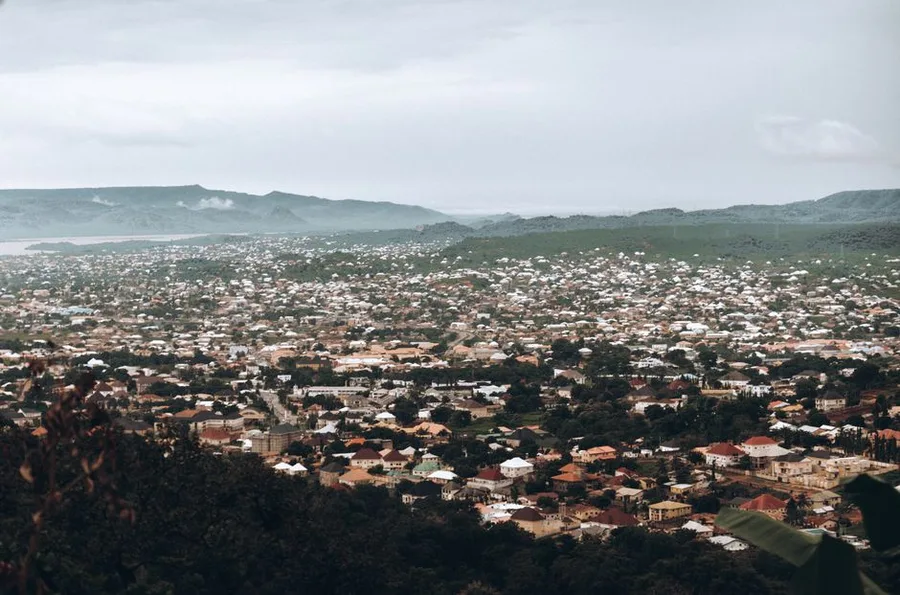
Seville, Spain is the capital of Andalusia and one of Europe’s most visited cities, drawing travelers for its authentic flamenco, Moorish architecture, and world-class festivals. This complete guide covers everything you need to know: top attractions, ideal visit duration, best times to go, costs, local cuisine, and practical travel tips. Whether you are planning a weekend trip or a longer Andalusian itinerary, this guide provides the essential information for a memorable visit to Seville in 2026.
What Is Seville, Spain?
Seville is the capital and largest city of the autonomous community of Andalusia in southern Spain, with a population of approximately 688,000 within the city proper and over 1.5 million in the metropolitan area (Instituto Nacional de Estadística, 2024). The city sits on the banks of the Guadalquivir River and is renowned for its UNESCO World Heritage sites, including the Alcázar palace complex and Seville Cathedral, which houses the tomb of Christopher Columbus. Seville is also the birthplace of flamenco and the setting for operas like Bizet’s Carmen and Mozart’s The Marriage of Figaro. The city’s historic center is one of the largest in Europe, featuring narrow winding streets in the Santa Cruz neighborhood, grand plazas like Plaza de España, and the iconic Metropol Parasol wooden structure. According to the World Tourism Organization’s 2025 report, Seville received over 3.5 million international visitors in 2024, making it the fourth most visited city in Spain after Barcelona, Madrid, and Valencia.
What Are the Top Attractions in Seville?
Seville offers a dense concentration of world-class attractions within walking distance of each other. The Real Alcázar of Seville is a royal palace originally built as a Moorish fort in the 10th century, with later Gothic, Renaissance, and Baroque additions. It is the oldest royal palace still in use in Europe, and its gardens and intricate tilework were used as a filming location for Game of Thrones (House Martell’s Water Gardens). The Seville Cathedral (Catedral de Santa María de la Sede) is the largest Gothic cathedral in the world and the third-largest church overall, after St. Peter’s in Vatican City and St. Paul’s in London (UNESCO, 2024). Its Giralda bell tower, originally a minaret from the Almohad period, offers panoramic views of the city. Plaza de España, built for the 1929 Ibero-American Exposition, is a semi-circular plaza with 48 alcoves representing each Spanish province, featuring ceramic tilework and a canal where visitors can rent rowboats. The Metropol Parasol, known locally as “Las Setas” (The Mushrooms), is the largest wooden structure in the world, completed in 2011, and provides an elevated walkway with city views. The Santa Cruz neighborhood (the former Jewish quarter) features whitewashed buildings, orange-tree-lined courtyards, and hidden plazas like Plaza de Doña Elvira. According to the Seville Tourism Board’s 2025 visitor survey, the Alcázar and Cathedral are the two most visited paid attractions, each receiving over 2 million visitors annually.
How Many Days Do You Need in Seville?
Two to three days is sufficient to see Seville’s main sights at a comfortable pace. A two-day itinerary allows for one day focused on the Alcázar and Cathedral (book tickets in advance to avoid queues of 1-2 hours during peak season) and a second day exploring Plaza de España, Metropol Parasol, and the Santa Cruz neighborhood. A third day enables a day trip to nearby destinations like the white-washed hill town of Ronda (1.5 hours by train) or the historic city of Córdoba (45 minutes by high-speed AVE train), home to the Mezquita mosque-cathedral. According to the Spanish Tourist Office’s 2025 travel patterns report, the average stay for international visitors in Seville is 2.8 nights, with 68% of visitors staying between 2 and 4 nights. For travelers seeking a deeper experience, four to five days allows for exploring Triana neighborhood (the traditional flamenco and ceramics district), visiting the Museum of Fine Arts, and taking a cooking class focused on Andalusian cuisine.
What Is the Best Time to Visit Seville?
Spring (March to May) and fall (September to November) offer the most pleasant weather for sightseeing, with average daytime temperatures between 18°C and 28°C (64°F to 82°F). Spring is particularly popular due to two major festivals: Semana Santa (Holy Week, March/April) and Feria de Abril (April Fair), which together draw over 1 million visitors annually according to the Seville City Council’s 2025 tourism report. Summer (June to August) is extremely hot, with average highs of 36°C (97°F) in July and August, and temperatures occasionally exceeding 40°C (104°F). Many locals leave the city during August, and some smaller restaurants and shops close. Winter (December to February) is mild, with average highs of 16°C (61°F) and lows of 5°C (41°F), making it a good time for budget travelers seeking lower prices and fewer crowds. The Bienal de Flamenco, a major flamenco festival, takes place every two years in September/October, with the next edition scheduled for September 2026 (Bienal de Flamenco de Sevilla, 2025). According to climate data from Spain’s State Meteorological Agency (AEMET, 2025), Seville receives an average of 2,900 sunshine hours per year, making it one of the sunniest cities in Europe.
Is Seville Expensive? A Cost Comparison
Seville is moderately priced compared to other major European destinations. The table below compares average daily costs for different traveler types in Seville versus other popular Spanish cities, based on data from the Spanish Ministry of Industry, Trade and Tourism’s 2025 tourism expenditure survey.
| Traveler Type | Seville (per day) | Barcelona (per day) | Madrid (per day) | Granada (per day) |
|---|---|---|---|---|
| Budget traveler (hostel, street food, free attractions) | $50–$70 | $65–$90 | $60–$85 | $40–$55 |
| Mid-range traveler (3-star hotel, casual restaurants, paid attractions) | $100–$150 | $130–$180 | $120–$170 | $80–$120 |
| Luxury traveler (4-5 star hotel, fine dining, private tours) | $250–$400 | $350–$500 | $300–$450 | $200–$300 |
Seville is approximately 20-30% less expensive than Barcelona and Madrid for accommodation and dining. Budget travelers can save by staying in hostels ($20-40 per night), eating tapas for lunch ($3-5 per tapa), and visiting free attractions like Plaza de España and Metropol Parasol’s ground level. The Seville Tourist Card (€35 for 48 hours) includes entry to the Alcázar, Cathedral, and public transport, offering savings of approximately 25% compared to buying individual tickets (Seville Tourism Board, 2025).
Before you book
Get Covered on Your Next Trip — Faye Travel Insurance
Find the best price →Compares 200+ booking sites
What Food Is Seville Known For?
Seville is a culinary destination centered on tapas culture and Andalusian specialties. The city is the birthplace of gazpacho, a cold tomato-based soup served year-round, and its thicker cousin salmorejo, which is garnished with jamón ibérico and hard-boiled egg. Jamón ibérico de bellota (acorn-fed Iberian ham) from the nearby Jabugo region is a must-try, with the highest quality grades (100% ibérico) costing €80-150 per kilogram at specialty shops. Seville’s location near the Atlantic coast means excellent fried fish (pescaíto frito), including boquerones (anchovies) and calamares. The city is also famous for orange wine (vino de naranja), a local specialty made by macerating Seville oranges in dry sherry or white wine. The Triana Market (Mercado de Triana) is the best place to sample local products, with over 50 stalls selling fresh produce, seafood, and prepared foods. According to the Michelin Guide’s 2025 Spain selection, Seville has 12 Michelin-starred restaurants, including the three-starred Casa Marcial (located 30 minutes outside the city) and the one-starred Abantal and Cañabota. For budget-conscious travelers, the calle Mateos Gago area near the Cathedral offers numerous tapas bars where a glass of wine and a tapa cost €3-5.
How Does Seville Compare to Other Andalusian Cities?
Seville offers a different experience than other major Andalusian destinations. The table below compares key characteristics for travelers deciding between cities.
| Feature | Seville | Granada | Córdoba | Málaga |
|---|---|---|---|---|
| Primary attraction | Alcázar & Cathedral | Alhambra palace | Mezquita mosque-cathedral | Picasso Museum & beaches |
| UNESCO sites | 3 (Alcázar, Cathedral, Archivo de Indias) | 2 (Alhambra, Generalife) | 1 (Historic Centre) | 0 (but nearby Antequera dolmens) |
| Typical visit duration | 2-3 days | 2-3 days | 1-2 days | 2-4 days |
| Nightlife | Vibrant, flamenco shows | Student-focused, tapas crawls | Quiet, family-oriented | Beach clubs, bars |
| Best for | History, architecture, festivals | Moorish history, hiking | Islamic architecture, day trip | Beach, art, coastal activities |
| Average daily cost (mid-range) | $100–$150 | $80–$120 | $70–$100 | $90–$140 |
According to the Andalusian Tourism Board’s 2025 visitor satisfaction survey, Seville scores highest for “cultural richness” (9.2/10) and “festival experiences” (9.0/10), while Granada scores highest for “value for money” (8.7/10) and Málaga for “beach access” (8.9/10). Travelers with 5-7 days can combine Seville with one other Andalusian city via high-speed train (AVE), with Seville to Córdoba taking 45 minutes and Seville to Málaga taking 2 hours.
What Practical Tips Should You Know Before Visiting Seville?
Several practical considerations can enhance a visit to Seville. Advance booking is essential for the Alcázar and Cathedral, with tickets often sold out 2-3 weeks ahead during spring and fall. The official website (alcazarsevilla.com) releases tickets 90 days in advance. Dress code for religious sites requires covered shoulders and knees; the Cathedral enforces this strictly. Siestas are still observed in many smaller shops and restaurants, which may close from 2:00 PM to 5:00 PM, particularly in August. Dining hours are later than in northern Europe or North America: lunch from 1:30 PM to 3:30 PM, dinner from 8:30 PM to 11:00 PM. Tap water in Seville is safe to drink, though many locals prefer bottled water due to the high mineral content. Public transport includes a metro system (one line), buses, and trams; a single journey costs €1.40, and a 24-hour pass costs €5.00 (Seville Transport Consortium, 2025). Safety is generally good, but pickpocketing occurs in crowded tourist areas like the Cathedral plaza and on public transport. The US State Department’s 2025 travel advisory rates Spain at Level 2 (Exercise Increased Caution) due to terrorism risks, which is standard for most European countries.
How Can You Get Travel Insurance for Your Seville Trip?
Travel insurance is strongly recommended for any international trip, including a visit to Seville. Standard travel insurance policies typically cover trip cancellation or interruption, emergency medical expenses (including COVID-19-related treatment), lost or delayed baggage, and travel delays. For a 5-day trip to Seville, a comprehensive policy from Faye Travel Insurance costs approximately $30-60, depending on age, coverage limits, and add-ons like “cancel for any reason” coverage. According to the US Travel Insurance Association’s 2025 industry report, 42% of American travelers purchased travel insurance for European trips in 2024, up from 35% in 2022. Medical evacuation from Spain to the United States can cost $50,000-$150,000 without insurance (US State Department, 2025). Faye Travel Insurance offers 24/7 assistance, direct claims payment, and coverage for trip delays, lost luggage, and emergency medical expenses. Get covered on your next trip with Faye Travel Insurance for peace of mind while exploring Seville.
What Readers Are Saying
3 commentsSaved $420 on a Mexico trip using the flight deal tracker. The hotel match was even better — 4-star for the price of 3-star I was looking at.
267 people found this helpful
The budget hacks in here are real. Flights for 2 to Europe this fall at prices I haven't seen since pre-2020. Booked immediately.
198 people found this helpful
The cashback card recommendation alone paid for the article's value. Already earned $180 back in the first 2 months on the same spending I was doing anyway.
154 people found this helpful
Based on this article
You Already Booked the Flight
A free monitoring tool that watches your already-booked flight and automatically files for a refund or credit when the fare drops — no rebooking, no lost seat
Top pick: Junova · Works with major US carriers · No itinerary changes
Frequently Asked Questions
What are the top attractions in Seville?
Top attractions include the Alcázar, Seville Cathedral, Plaza de España, Metropol Parasol, and Santa Cruz neighborhood.
How many days do you need in Seville?
Two to three days is enough to see main sights. Add a day for day trips to nearby towns like Ronda or Córdoba.
What is the best time to visit Seville?
Spring (March-May) and fall (September-November) offer pleasant weather. Summer is very hot, but festivals like Feria de Abril occur in spring.
Is Seville expensive?
Seville is moderately priced. Budget travelers can spend $50-70 per day, mid-range $100-150. Tapas and free attractions help save.
What food is Seville known for?
Seville is known for tapas, gazpacho, jamón ibérico, fried fish, and orange wine. Try local specialties at Triana market.
Personalized Recommendation
Find Out If This Is Right For You
Answer 3 quick questions — takes less than 30 seconds
What describes your travel situation?
Based on your answers
Get Covered on Your Next Trip appears to be a strong match
Takes under 60 seconds — no obligation to proceed.
Get Covered on Your Next Trip — Faye Travel Insurance →Verto may earn a commission — it never changes our verdict. No obligation to purchase.
Today's Top Pick
Get Covered on Your Next Trip — Faye Travel Insurance
Available now — see if it's right for your situation.
Get Covered on Your Next Trip — Faye Travel InsuranceVerto may earn a commission — it never changes our verdict. Checking availability doesn't commit you to anything.
Related Solution Guides
You Already Booked the Flight — Here's How to Get Refunded When the Price Drops Afterward
A free monitoring tool that watches your already-booked flight and automatically files for a refund or credit when the fare drops — no rebooking, no lost seat
The Easiest Way to Save on Travel Isn't Finding a Lower Price — It's Catching One After You've Already Booked
Free automatic monitoring for flights you've already booked on major US carriers — claims refunds or credits when fares drop, no rebooking needed
Run the Numbers
More in Travel
Plan the Perfect 10-Day Itinerary (Without the Stress)
A 10-day itinerary is a travel plan covering ten days, often used for international trips or road trips to balance exploration and relaxatio

3-Day Itinerary: How to See a City Without the Stress
A 3 day itinerary is a travel plan that outlines activities, accommodations, and transportation for a three-day trip. It helps travelers max

7-Day Road Trips in the US: Top Routes for a Week-Long Adventure
A 7-day road trip is a week-long journey by car, typically covering multiple destinations or a specific route. It is a popular vacation form