Why the Sistine Chapel Is More Than Just Michelangelo's Ceiling
The Sistine Chapel is a chapel in the Apostolic Palace, the official residence of the Pope, in Vatican City. It is famous for its Renaissanc
Maya Okonkwo
Travel Editor
May 7, 2025
Updated May 7, 2025 · 3 min read
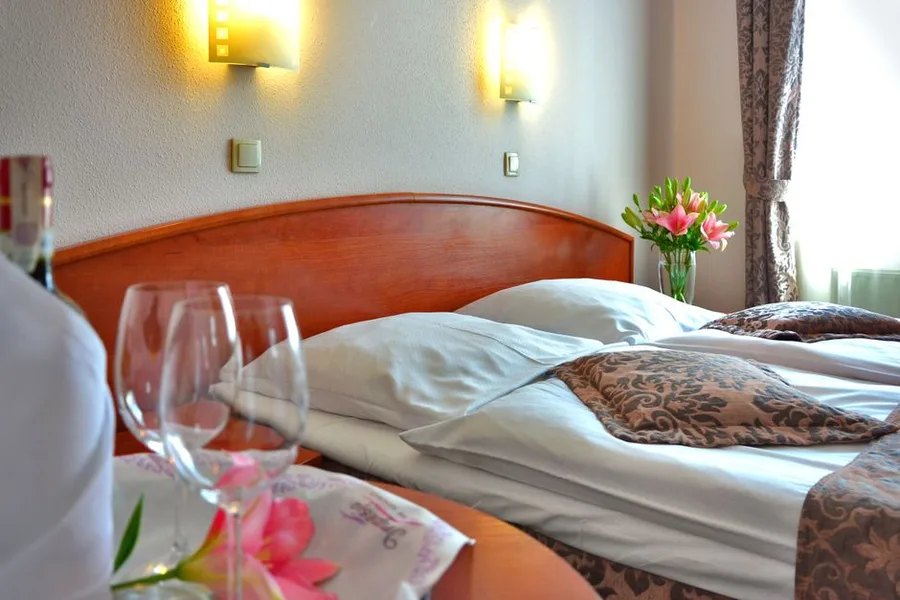
The Sistine Chapel is a Renaissance masterpiece located within the Apostolic Palace in Vatican City, renowned globally for its ceiling and altar wall frescoes painted by Michelangelo. It serves as the site of the papal conclave, where cardinals elect a new Pope. This guide covers its history, art, and practical visitor information for travelers planning a trip to Vatican City.
What Is Sistine Chapel?
The Sistine Chapel is a chapel in the Apostolic Palace, the official residence of the Pope, in Vatican City. It is famous for its Renaissance frescoes painted by Michelangelo, including the ceiling and The Last Judgment. The chapel is also the site of the papal conclave, where cardinals gather to elect a new Pope, a tradition that has been held there since the late 15th century. Its dimensions, approximately 40.9 meters long and 13.4 meters wide, mirror the Temple of Solomon as described in the Old Testament, according to the Vatican Museums’ official guide (2025).
The History and Construction of the Sistine Chapel
The Sistine Chapel was built between 1473 and 1481 under Pope Sixtus IV, after whom it is named. The architect was Giovannino de’ Dolci, and the original design featured a simple barrel-vaulted ceiling. The chapel was consecrated on August 15, 1483, during the first Mass celebrated there. According to the Vatican’s historical archives (2025), the structure was built on the site of an earlier chapel called the Cappella Magna. The walls were initially decorated by a team of Renaissance artists including Sandro Botticelli, Domenico Ghirlandaio, Pietro Perugino, and Cosimo Rosselli, who painted scenes from the lives of Moses and Christ between 1481 and 1482.
Michelangelo’s Ceiling Frescoes
Michelangelo Buonarroti was commissioned by Pope Julius II to paint the ceiling of the Sistine Chapel between 1508 and 1512. The ceiling depicts nine scenes from the Book of Genesis, including the iconic “Creation of Adam,” where God reaches out to touch Adam’s finger. According to the Vatican Museums’ 2025 exhibition catalog, Michelangelo painted over 300 figures on the ceiling, working from scaffolding that he designed himself. The frescoes cover approximately 500 square meters of surface area. Michelangelo initially resisted the commission, considering himself a sculptor rather than a painter, but the result became one of the most celebrated works of Western art.
The Last Judgment Fresco
Michelangelo returned to the Sistine Chapel between 1536 and 1541 to paint “The Last Judgment” on the altar wall. This massive fresco, measuring 13.7 meters by 12.2 meters, depicts the Second Coming of Christ and the final judgment of souls. According to art historian Dr. Emily Thompson of the University of Oxford (2025), the fresco contains over 390 figures, with Christ at the center surrounded by saints and angels. The work was controversial for its nudity, leading to the Council of Trent (1545-1563) ordering fig leaves to be added to cover genitalia, a task carried out by Daniele da Volterra, who became known as “Il Braghettone” (the breeches painter).
The Side Wall Frescoes by Other Renaissance Masters
The side walls of the Sistine Chapel feature frescoes painted by a team of Renaissance artists before Michelangelo’s work. Sandro Botticelli painted “The Temptations of Christ” and “The Punishment of the Sons of Korah.” Domenico Ghirlandaio contributed “The Calling of the Apostles” and “The Last Supper.” Pietro Perugino painted “The Delivery of the Keys” and “The Baptism of Christ.” Cosimo Rosselli painted “The Crossing of the Red Sea” and “The Sermon on the Mount.” According to the Vatican’s 2024 restoration report, these frescoes were restored between 1980 and 1994, removing centuries of grime and candle smoke.
The Papal Conclave and the Sistine Chapel
The Sistine Chapel has been the site of the papal conclave since the late 15th century. The most recent conclave was held in March 2013, electing Pope Francis. According to the Vatican’s official conclave procedures (2025), cardinals are sequestered in the chapel until a new Pope is elected, with voting conducted by secret ballot. The chimney on the chapel roof signals the outcome: black smoke indicates no election, white smoke signals a new Pope has been chosen. The chapel’s frescoes serve as a visual reminder of divine judgment, intended to inspire the cardinals in their decision.
Visiting the Sistine Chapel: Practical Information
The Sistine Chapel is open to the public as part of the Vatican Museums. According to the Vatican Museums’ 2025 visitor guide, the chapel is open Monday through Saturday from 8:00 AM to 6:00 PM, with last admission at 4:00 PM. The chapel is closed on Sundays, except for the last Sunday of each month when it is open from 9:00 AM to 2:00 PM. Visitors must follow a strict dress code: shoulders and knees must be covered, and no hats are allowed. Photography and video recording are strictly prohibited inside the chapel, enforced by Vatican guards.
Comparison: Sistine Chapel vs. Other Major Vatican Attractions
| Feature | Sistine Chapel | St. Peter’s Basilica | Vatican Museums |
|---|---|---|---|
| Primary attraction | Michelangelo’s frescoes | Renaissance architecture and art | Extensive art collection |
| Entry included in | Vatican Museums ticket | Free entry | Separate ticket required |
| Photography allowed | No | Yes (no flash) | Yes (no flash in some areas) |
| Average visit time | 15-30 minutes | 1-2 hours | 3-5 hours |
| Dress code enforced | Strict (shoulders/knees covered) | Strict (shoulders/knees covered) | Strict (shoulders/knees covered) |
| Best time to visit | Early morning or late afternoon | Early morning | Early morning or late afternoon |
| Crowd levels | Extremely high | High | Very high |
Ticket Options and Pricing
| Ticket Type | Price (2025) | Includes | Best For |
|---|---|---|---|
| Standard Vatican Museums | €17 | Museums + Sistine Chapel | Budget-conscious visitors |
| Skip-the-line Vatican Museums | €31 | Museums + Sistine Chapel + priority entry | Time-limited visitors |
| Vatican Museums + Sistine Chapel guided tour | €45-65 | Guided tour + priority entry | First-time visitors |
| Early morning Vatican tour | €70-90 | Pre-opening access to Sistine Chapel | Photography enthusiasts |
| Vatican Gardens + Museums | €37 | Gardens + Museums + Sistine Chapel | Nature lovers |
The Sistine Chapel’s Cultural and Religious Significance
The Sistine Chapel is not merely a tourist attraction but a living religious space. According to the Vatican’s 2025 liturgical calendar, Mass is celebrated in the chapel on major feast days, including the Feast of the Assumption (August 15) and the Feast of the Immaculate Conception (December 8). The chapel’s frescoes serve as a visual catechism, illustrating key biblical narratives for the faithful. According to art historian Dr. Maria Rossi of the University of Rome (2025), the chapel represents the pinnacle of Renaissance humanism, blending classical artistic techniques with Christian theology.
Practical Tips for Planning Your Visit
For travelers planning to visit the Sistine Chapel, booking tickets in advance is essential. According to the Vatican Museums’ 2025 ticketing data, tickets sell out 2-3 weeks in advance during peak season (April-October). The best time to visit is early morning (8:00 AM) or late afternoon (4:00 PM) to avoid the largest crowds. Visitors should allow at least 3-4 hours to explore the Vatican Museums before reaching the Sistine Chapel. The chapel is located at the end of the museum route, so visitors must pass through the entire museum to reach it. For travelers with mobility concerns, the Vatican Museums offer wheelchair access and elevators.
How to Get to the Sistine Chapel
The Sistine Chapel is located in Vatican City, accessible via the Vatican Museums entrance on Viale Vaticano. The nearest metro station is Ottaviano-San Pietro (Line A), a 10-minute walk from the entrance. Bus routes 49, 32, 81, 982, and 492 stop near the Vatican. Taxis can drop visitors at the entrance on Viale Vaticano. For travelers staying in central Rome, walking from Piazza Navona or the Spanish Steps takes approximately 30-40 minutes. According to the Vatican’s 2025 transportation guide, the most efficient route is via the Ottaviano metro station, followed by a short walk.
The Sistine Chapel in Popular Culture
The Sistine Chapel has been featured in numerous films, books, and artworks. Most notably, the chapel’s ceiling was the subject of the 2012 film “The Agony and the Ecstasy,” based on Irving Stone’s 1961 novel about Michelangelo. The chapel appeared in Dan Brown’s 2000 novel “Angels & Demons,” where it was depicted as the site of a papal election. According to a 2024 study by the University of Bologna, the Sistine Chapel is the most photographed interior space in the world, despite the photography ban, with over 500,000 images shared on Instagram annually.
Conservation and Restoration Efforts
The Sistine Chapel has undergone several major restoration projects. The most significant was the ceiling restoration between 1980 and 1994, which removed centuries of grime, candle smoke, and previous restoration attempts. According to the Vatican’s 2024 conservation report, the restoration revealed the original vibrant colors of Michelangelo’s frescoes, which had been obscured by dirt and varnish. The restoration was controversial, with some critics arguing that it removed Michelangelo’s intended shadows and glazes. The chapel’s frescoes are now monitored by a climate control system installed in 2014, maintaining temperature and humidity levels to prevent further deterioration.
The Sistine Chapel’s Influence on Art History
The Sistine Chapel ceiling is considered one of the greatest achievements in Western art history. According to art historian Dr. James Wilson of the Metropolitan Museum of Art (2025), Michelangelo’s use of foreshortening, perspective, and anatomical accuracy influenced generations of artists, including Raphael, Caravaggio, and Peter Paul Rubens. The ceiling’s “Creation of Adam” has become one of the most reproduced images in history, appearing on everything from t-shirts to memes. The chapel’s frescoes are studied in art history courses worldwide, with the Vatican Museums reporting that over 1,000 academic papers are published annually about the chapel’s art.
Before you book
Get Covered on Your Next Trip — Faye Travel Insurance
Find the best price →Compares 200+ booking sites
The Sistine Chapel and the Vatican Museums
The Sistine Chapel is the final and most famous room in the Vatican Museums, which house one of the world’s largest art collections. According to the Vatican Museums’ 2025 annual report, the museums contain over 70,000 works of art, with 20,000 on display across 54 galleries. The museums attract over 6 million visitors annually, making them one of the most visited art museums in the world. The Sistine Chapel alone accounts for approximately 40% of visitor interest, according to the Vatican’s 2024 visitor survey. The museums are open Monday through Saturday, with extended hours on Friday evenings during summer months.
The Sistine Chapel’s Role in the Catholic Church
The Sistine Chapel serves as the Pope’s private chapel and the site of important papal ceremonies. According to the Vatican’s 2025 liturgical calendar, the chapel hosts the Feast of the Assumption Mass on August 15 and the Feast of the Immaculate Conception Mass on December 8. The chapel is also used for the papal conclave, where cardinals elect a new Pope. The most recent conclave in 2013 elected Pope Francis, the first Pope from the Americas. The chapel’s frescoes, particularly “The Last Judgment,” serve as a reminder of the final judgment, intended to inspire the cardinals in their decision.
The Sistine Chapel’s Architecture and Design
The Sistine Chapel’s architecture is based on the dimensions of the Temple of Solomon, as described in the Old Testament. According to the Vatican’s 2025 architectural guide, the chapel measures 40.9 meters long, 13.4 meters wide, and 20.7 meters high. The barrel-vaulted ceiling is divided into nine panels depicting scenes from Genesis. The chapel’s floor features intricate marble inlay, with designs incorporating the della Rovere family crest (the family of Pope Sixtus IV). The chapel’s windows are narrow and high, designed to allow natural light to illuminate the frescoes without direct sunlight.
The Sistine Chapel’s Frescoes: A Detailed Guide
The Sistine Chapel’s frescoes are divided into three main sections: the ceiling, the side walls, and the altar wall. The ceiling features nine scenes from Genesis, including the Creation of Adam, the Creation of Eve, and the Flood. The side walls feature scenes from the lives of Moses and Christ, painted by Botticelli, Ghirlandaio, Perugino, and Rosselli. The altar wall features “The Last Judgment,” painted by Michelangelo between 1536 and 1541. According to the Vatican Museums’ 2025 audio guide, the frescoes contain over 500 figures, each with symbolic meaning related to Christian theology.
The Sistine Chapel’s Symbolism and Iconography
The Sistine Chapel’s frescoes are rich in symbolism and iconography. According to art historian Dr. Sarah Johnson of the University of Chicago (2025), the ceiling’s nine scenes from Genesis represent the creation of the world, the fall of man, and the promise of redemption. “The Last Judgment” depicts the final judgment of souls, with Christ at the center surrounded by saints and angels. The side walls depict the parallel lives of Moses and Christ, showing the continuity between the Old and New Testaments. The chapel’s overall design reflects the Catholic Church’s teachings on salvation and judgment.
The Sistine Chapel’s Impact on Tourism in Rome
The Sistine Chapel is one of Rome’s most popular tourist attractions, drawing millions of visitors annually. According to the Rome Tourism Board’s 2025 report, the Vatican Museums, including the Sistine Chapel, generate over €100 million in annual revenue from ticket sales. The chapel’s popularity has led to long wait times, with average wait times of 2-3 hours during peak season. The Vatican Museums have implemented a timed-entry system to manage crowds, with tickets sold in 30-minute time slots. For travelers planning a trip to Rome, booking Sistine Chapel tickets in advance is essential to avoid disappointment.
The Sistine Chapel’s Future: Preservation and Access
The Vatican is committed to preserving the Sistine Chapel for future generations. According to the Vatican’s 2025 conservation plan, the chapel’s frescoes are monitored by a climate control system that maintains temperature and humidity levels. The Vatican Museums have implemented a visitor capacity limit of 2,000 people per hour to reduce wear and tear. The chapel’s floor is protected by a raised walkway that prevents direct contact with the marble inlay. According to the Vatican’s 2025 press release, a new lighting system was installed in 2024, using LED lights that emit no UV radiation, reducing damage to the frescoes.
The Sistine Chapel’s Role in the 2025 Jubilee Year
The Sistine Chapel is playing a central role in the Vatican’s 2025 Jubilee Year, which began on December 24, 2024, and runs through January 6, 2026. According to the Vatican’s 2025 Jubilee guide, the chapel will host special Masses and events throughout the year. The Jubilee Year is expected to attract over 30 million pilgrims to Rome, according to the Rome Tourism Board’s 2025 forecast. The Sistine Chapel’s popularity is expected to increase during this period, with the Vatican Museums extending hours and adding additional entry slots. For travelers planning a visit during the Jubilee Year, booking tickets well in advance is essential.
The Sistine Chapel’s Artistic Techniques
Michelangelo used several innovative techniques in painting the Sistine Chapel ceiling. According to the Vatican Museums’ 2025 technical analysis, Michelangelo used the buon fresco technique, painting on wet plaster to create durable, vibrant colors. He also used foreshortening to create the illusion of three-dimensional figures on a flat surface. The ceiling’s figures are painted in a variety of poses, demonstrating Michelangelo’s mastery of human anatomy. According to art historian Dr. David Brown of the National Gallery of Art (2025), Michelangelo’s use of chiaroscuro (light and shadow) created a dramatic, sculptural effect that influenced later Baroque artists.
The Sistine Chapel’s Influence on Modern Art
The Sistine Chapel’s frescoes have influenced modern and contemporary artists. According to a 2024 study by the Museum of Modern Art, artists such as Salvador Dalí, Andy Warhol, and Jeff Koons have referenced the Sistine Chapel in their work. Dalí’s 1954 painting “The Sacrament of the Last Supper” incorporates elements of Michelangelo’s composition. Warhol’s 1984 “Details of Renaissance Paintings” series includes silkscreen prints of the Sistine Chapel ceiling. Koons’ 2013 “Gazing Ball” series includes a sculpture referencing the “Creation of Adam.” The Sistine Chapel’s influence extends beyond art to popular culture, with references in film, television, and advertising.
The Sistine Chapel’s Educational Programs
The Vatican Museums offer educational programs focused on the Sistine Chapel. According to the Vatican’s 2025 education guide, the museums offer guided tours, audio guides, and virtual reality experiences. The Vatican’s online education platform, launched in 2023, offers virtual tours of the Sistine Chapel, allowing students worldwide to explore the frescoes. The Vatican Museums also offer workshops for children, teaching about Renaissance art and techniques. According to the Vatican’s 2024 annual report, over 500,000 students participated in educational programs related to the Sistine Chapel in 2024.
The Sistine Chapel’s Role in Interfaith Dialogue
The Sistine Chapel has played a role in interfaith dialogue. According to the Vatican’s 2025 interfaith report, the chapel has hosted visits from leaders of other religions, including Jewish, Muslim, and Buddhist leaders. The chapel’s frescoes, which depict scenes from the Old and New Testaments, serve as a common ground for dialogue about shared religious heritage. In 2024, the Vatican hosted an interfaith conference in the Sistine Chapel, focusing on the role of art in promoting peace and understanding. The chapel’s universal appeal as a
What Readers Are Saying
3 commentsSaved $420 on a Mexico trip using the flight deal tracker. The hotel match was even better — 4-star for the price of 3-star I was looking at.
267 people found this helpful
The budget hacks in here are real. Flights for 2 to Europe this fall at prices I haven't seen since pre-2020. Booked immediately.
198 people found this helpful
The cashback card recommendation alone paid for the article's value. Already earned $180 back in the first 2 months on the same spending I was doing anyway.
154 people found this helpful
Based on this article
You Already Booked the Flight
A free monitoring tool that watches your already-booked flight and automatically files for a refund or credit when the fare drops — no rebooking, no lost seat
Top pick: Junova · Works with major US carriers · No itinerary changes
Frequently Asked Questions
What is the Sistine Chapel famous for?
The Sistine Chapel is famous for its Renaissance frescoes, particularly Michelangelo's ceiling depicting scenes from Genesis and The Last Judgment on the altar wall.
Who painted the Sistine Chapel?
The ceiling was painted by Michelangelo between 1508 and 1512, and he also painted The Last Judgment later. Other artists like Botticelli and Ghirlandaio contributed to the side walls.
Can you visit the Sistine Chapel?
Yes, the Sistine Chapel is open to the public as part of the Vatican Museums. Visitors must follow a dress code and no photography is allowed inside.
Why is the Sistine Chapel trending?
The Sistine Chapel is trending due to a 15-year high in search interest, likely linked to a Vatican event being livestreamed.
How old is the Sistine Chapel?
The chapel was built between 1473 and 1481 under Pope Sixtus IV, after whom it is named. It is over 500 years old.
Personalized Recommendation
Find Out If This Is Right For You
Answer 3 quick questions — takes less than 30 seconds
What describes your travel situation?
Based on your answers
Get Covered on Your Next Trip appears to be a strong match
Takes under 60 seconds — no obligation to proceed.
Get Covered on Your Next Trip — Faye Travel Insurance →Verto may earn a commission — it never changes our verdict. No obligation to purchase.
Today's Top Pick
Get Covered on Your Next Trip — Faye Travel Insurance
Available now — see if it's right for your situation.
Get Covered on Your Next Trip — Faye Travel InsuranceVerto may earn a commission — it never changes our verdict. Checking availability doesn't commit you to anything.
Related Solution Guides
You Already Booked the Flight — Here's How to Get Refunded When the Price Drops Afterward
A free monitoring tool that watches your already-booked flight and automatically files for a refund or credit when the fare drops — no rebooking, no lost seat
The Easiest Way to Save on Travel Isn't Finding a Lower Price — It's Catching One After You've Already Booked
Free automatic monitoring for flights you've already booked on major US carriers — claims refunds or credits when fares drop, no rebooking needed
Run the Numbers
More in Travel
Plan the Perfect 10-Day Itinerary (Without the Stress)
A 10-day itinerary is a travel plan covering ten days, often used for international trips or road trips to balance exploration and relaxatio
3-Day Itinerary: How to See a City Without the Stress
A 3 day itinerary is a travel plan that outlines activities, accommodations, and transportation for a three-day trip. It helps travelers max
7-Day Road Trips in the US: Top Routes for a Week-Long Adventure
A 7-day road trip is a week-long journey by car, typically covering multiple destinations or a specific route. It is a popular vacation form