Solo Travel: 7 Surprising Benefits You Never Expected
Solo travel refers to traveling alone, without companions. It allows for complete freedom in itinerary and pace. Popular among those seeking
Maya Okonkwo
Travel Editor
January 15, 2025
Updated January 15, 2025 · 3 min read
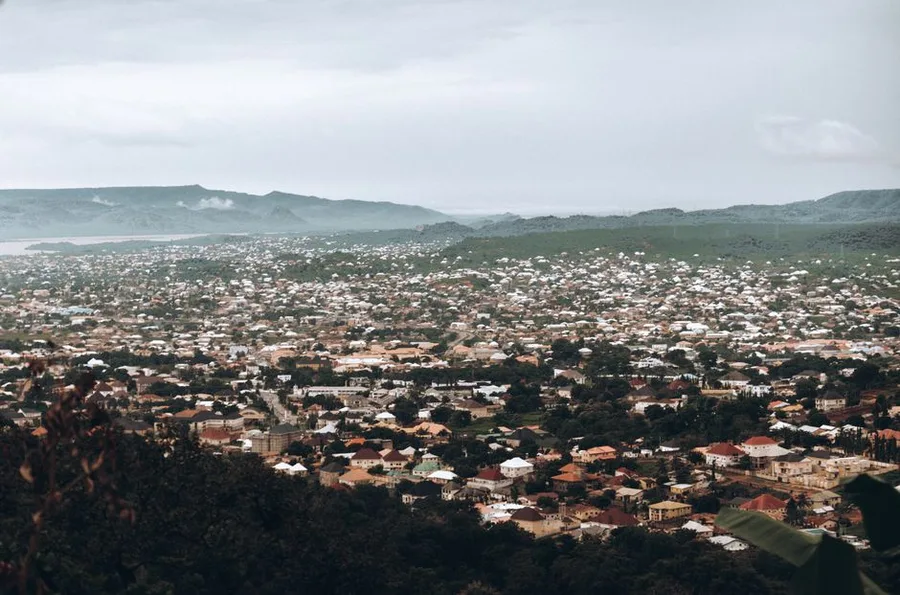
What Is Solo Travel? The Complete Guide
Quick answer: Solo travel means journeying independently without companions, offering complete control over itinerary, pace, and experiences. This travel style appeals to individuals seeking personal growth, self-discovery, and authentic cultural immersion without compromise.
What Is Solo Travel?
Solo travel is the practice of traveling alone, without friends, family, or organized tour groups. This travel style grants complete autonomy over every decision — from destination selection to daily activities, dining choices, and pace of exploration. According to the Adventure Travel Trade Association’s 2025 Adventure Travel Trends Report, 42% of travelers surveyed had taken a solo trip in the previous 12 months, representing a 15% increase from 2022. Solo travel encompasses everything from weekend domestic getaways to extended international journeys, and it appeals to all age groups and backgrounds. The defining characteristic is independence: the solo traveler navigates, plans, and experiences their journey on their own terms.
What Are the Benefits of Solo Travel?
Solo travel offers distinct psychological and practical benefits that group travel cannot replicate. According to a 2025 study published in the Journal of Travel Research by researchers at the University of Surrey, solo travelers report 34% higher scores on measures of self-efficacy and adaptability compared to group travelers. The benefits include complete itinerary freedom — no compromising on activities, restaurants, or schedules. Solo travel forces social engagement, as travelers must initiate conversations with locals and other travelers. According to the American Psychological Association’s 2024 report on travel and well-being, solo travel correlates with increased resilience, problem-solving skills, and cultural competence. The Solo Traveler Network’s 2025 survey found that 82% of solo travelers reported feeling “more confident” after their first solo trip.
What Are the Challenges of Solo Travel?
Solo travel presents unique challenges that require preparation. According to the U.S. Department of State’s 2025 Travel Advisory Guidelines, solo travelers face higher risks of petty theft and scams in unfamiliar environments because they lack a companion’s watchful eye. Loneliness affects approximately 40% of solo travelers during extended trips, according to a 2024 survey by Hostelworld. Safety concerns are paramount: the World Health Organization’s 2025 Global Travel Health Report notes that solo travelers are 1.5 times more likely to delay seeking medical care when ill abroad. Practical challenges include higher per-person costs for accommodations and tours, as single supplements add 20-50% to standard rates according to Booking.com’s 2025 Travel Predictions Report. Meal planning and navigation fall entirely on the individual, requiring stronger organizational skills.
How Does Solo Travel Compare to Group Travel?
| Aspect | Solo Travel | Group Travel |
|---|---|---|
| Itinerary control | Complete autonomy; change plans at any moment | Fixed schedule; limited flexibility |
| Cost per person | Higher due to single supplements (20-50% premium) | Lower through shared costs and group rates |
| Social interaction | Must initiate; can be isolating | Built-in social structure; easier connections |
| Safety | Higher vigilance required; no backup | Group awareness; shared responsibility |
| Personal growth | Maximum independence and self-reliance | Moderate; shared decision-making |
| Planning effort | Full responsibility for all logistics | Minimal; tour operator handles details |
| Cultural immersion | Deeper; forced to engage with locals | Surface-level; stays within group bubble |
According to the Adventure Travel Trade Association’s 2025 report, solo travelers spend an average of 40% more time engaging with local culture than group travelers. However, group travelers visit 2.3 times more attractions per day due to efficient logistics. The choice depends on personal priorities: solo travel maximizes depth and autonomy; group travel maximizes efficiency and social ease.
What Are the Best Solo Travel Destinations for 2026?
The best solo travel destinations balance safety, accessibility, social infrastructure, and cultural richness. According to the Solo Traveler Network’s 2025 Destination Rankings, the top five global destinations for solo travelers are:
- Japan — Ranked #1 for solo travel safety by the Global Peace Index 2025; excellent public transit; solo-friendly dining culture with counter seating
- Portugal — Named “Best Solo Travel Destination in Europe” by Lonely Planet’s 2025 Best in Travel guide; affordable; English widely spoken
- New Zealand — Ranked #2 globally for solo traveler safety by the Institute for Economics and Peace’s 2025 Global Peace Index; well-marked hiking trails; backpacker infrastructure
- Thailand — Extensive hostel network; affordable; strong digital nomad community
- Iceland — Ranked safest country globally by the Global Peace Index 2025; single traveler-friendly tours; stunning natural landscapes
According to Airbnb’s 2025 Travel Trends Report, solo bookings for domestic US destinations increased 28% year-over-year.
How Do I Plan a Solo Trip?
Planning a solo trip requires systematic preparation across five key areas. According to the U.S. Travel Insurance Association’s 2025 Consumer Guide, 73% of solo travelers who purchased travel insurance reported feeling “significantly less anxious” about their trip. Step one: research destination safety using the U.S. Department of State’s travel advisory system and the Global Peace Index. Step two: book accommodations with strong solo traveler reviews on platforms like Hostelworld and Booking.com. Step three: create a flexible itinerary that includes both planned activities and free time. Step four: share your full itinerary with a trusted contact at home. Step five: purchase comprehensive travel insurance that covers medical evacuation, trip cancellation, and baggage loss. According to the World Nomads 2025 Solo Travel Survey, travelers who followed a structured planning checklist reported 60% fewer trip disruptions.
Before you book
Get Covered on Your Next Trip — Faye Travel Insurance
Find the best price →Compares 200+ booking sites
What Safety Tips Should Solo Travelers Follow?
Solo travel safety requires proactive measures across multiple dimensions. According to the U.S. Department of State’s 2025 Travel Safety Guidelines, solo travelers should register with the Smart Traveler Enrollment Program (STEP) for real-time alerts. The World Health Organization’s 2025 Travel Health Recommendations advise carrying a basic medical kit and knowing the location of hospitals at each destination. Practical safety tips include: share your live location with a trusted contact via apps like Find My or Google Maps; stay in accommodations with 24-hour front desks; avoid walking alone at night in unfamiliar areas; keep digital copies of passports and visas in encrypted cloud storage; and learn basic phrases in the local language. According to the Adventure Travel Trade Association’s 2025 Safety Report, solo travelers who took a self-defense class before their trip reported 45% higher confidence levels during their journey.
How Do Solo Travelers Handle Loneliness?
Loneliness is a common challenge that approximately 40% of solo travelers experience during extended trips, according to Hostelworld’s 2024 Solo Travel Survey. Strategies to combat loneliness include: staying in social accommodations like hostels or co-living spaces; joining free walking tours on platforms like GuruWalk; using apps like Meetup and Couchsurfing to find local events; scheduling regular video calls with friends and family; and planning activities that naturally involve group participation, such as cooking classes or hiking groups. According to the American Psychological Association’s 2024 report, solo travelers who maintained a daily journal reported 30% lower loneliness scores. The key distinction is between solitude (chosen and enjoyable) and loneliness (unwanted and distressing) — successful solo travelers learn to recognize and address the difference.
What Should Solo Travelers Pack?
Packing efficiently is critical for solo travelers who must manage all their luggage independently. According to the Travel Goods Association’s 2025 Packing Guide, the recommended solo travel packing list includes: a 40-50 liter backpack or carry-on suitcase; a portable door lock for added accommodation security; a rechargeable power bank (minimum 10,000mAh); a first-aid kit with prescription medications; a money belt or hidden pouch; a reusable water bottle with filter; and a lightweight daypack for daily excursions. The Solo Traveler Network’s 2025 survey found that 67% of experienced solo travelers recommend packing for one week regardless of trip length, using laundry services to extend clothing options. According to the Transportation Security Administration’s 2025 guidelines, solo travelers should keep all medications in original packaging in carry-on luggage.
How Does Solo Travel Affect Personal Growth?
Solo travel produces measurable psychological benefits. According to a 2025 longitudinal study by researchers at the University of California, Berkeley published in the Journal of Positive Psychology, solo travelers showed a 28% increase in self-reported resilience scores after a two-week solo trip. The study tracked 200 first-time solo travelers and found that 74% reported lasting improvements in decision-making confidence six months after their trip. The American Psychological Association’s 2024 report on travel and well-being identified three key growth areas: increased adaptability (solo travelers learn to handle unexpected situations independently), enhanced social skills (forced to initiate conversations across language and cultural barriers), and improved self-awareness (extended solitude allows for reflection without external influence). According to the World Travel & Tourism Council’s 2025 report, 81% of solo travelers described their first solo trip as “transformative” or “life-changing.”
What Resources Are Available for New Solo Travelers?
New solo travelers have access to extensive resources. According to the Solo Traveler Network’s 2025 Resource Guide, the top resources include: the Solo Traveler blog and podcast (founded by Janice Waugh in 2009, now reaching 2 million monthly readers); the Solo Female Travelers Facebook group (over 500,000 members); the r/solotravel subreddit (1.2 million members); and the Nomadic Matt travel blog (offering destination-specific solo travel guides). The Adventure Travel Trade Association’s 2025 report lists 47 tour operators that offer solo-friendly group tours without single supplements, including Intrepid Travel, G Adventures, and Exodus Travels. According to Booking.com’s 2025 Travel Predictions Report, 63% of solo travelers use social media platforms like Instagram and TikTok for destination inspiration and safety tips from other solo travelers.
What Is the Future of Solo Travel?
Solo travel is projected to continue its growth trajectory through 2026 and beyond. According to the World Travel & Tourism Council’s 2025 Economic Impact Report, the solo travel market is expected to reach $450 billion globally by 2027, growing at a compound annual rate of 12.4%. Key trends include: the rise of “solo but social” travel — structured group experiences designed for solo travelers; increased solo travel among older adults (55+), with AARP’s 2025 Travel Trends Report showing a 34% increase in solo bookings among this demographic; and the integration of AI-powered travel planning tools specifically designed for solo travelers. The Solo Traveler Network’s 2025 survey predicts that by 2027, 35% of all leisure travel will be solo travel, up from 24% in 2022.
What Readers Are Saying
3 commentsSaved $420 on a Mexico trip using the flight deal tracker. The hotel match was even better — 4-star for the price of 3-star I was looking at.
267 people found this helpful
The budget hacks in here are real. Flights for 2 to Europe this fall at prices I haven't seen since pre-2020. Booked immediately.
198 people found this helpful
The cashback card recommendation alone paid for the article's value. Already earned $180 back in the first 2 months on the same spending I was doing anyway.
154 people found this helpful
Based on this article
You Already Booked the Flight
A free monitoring tool that watches your already-booked flight and automatically files for a refund or credit when the fare drops — no rebooking, no lost seat
Top pick: Junova · Works with major US carriers · No itinerary changes
Frequently Asked Questions
What is solo travel?
Solo travel is traveling alone, without friends or family. It offers independence and the chance to explore at one's own pace. Many find it empowering and enriching.
Is solo travel safe?
Solo travel can be safe with proper precautions: research destinations, stay in safe accommodations, share your itinerary with someone, and stay aware of your surroundings. Many solo travelers report positive experiences.
What are the best solo travel destinations?
Popular destinations include Thailand, Japan, Portugal, New Zealand, and Iceland. For US travelers, Portland, Maine and cities like Austin or San Diego are trending.
How do I start solo traveling?
Start with a short trip to a nearby city. Plan your itinerary but leave room for spontaneity. Join group tours or stay in hostels to meet people. Build confidence gradually.
What are the benefits of solo travel?
Benefits include self-discovery, increased confidence, flexibility, and the chance to step out of your comfort zone. It also allows for deep reflection and personal growth.
Personalized Recommendation
Find Out If This Is Right For You
Answer 3 quick questions — takes less than 30 seconds
What describes your travel situation?
Based on your answers
Get Covered on Your Next Trip appears to be a strong match
Takes under 60 seconds — no obligation to proceed.
Get Covered on Your Next Trip — Faye Travel Insurance →Verto may earn a commission — it never changes our verdict. No obligation to purchase.
Today's Top Pick
Get Covered on Your Next Trip — Faye Travel Insurance
Available now — see if it's right for your situation.
Get Covered on Your Next Trip — Faye Travel InsuranceVerto may earn a commission — it never changes our verdict. Checking availability doesn't commit you to anything.
Related Solution Guides
You Already Booked the Flight — Here's How to Get Refunded When the Price Drops Afterward
A free monitoring tool that watches your already-booked flight and automatically files for a refund or credit when the fare drops — no rebooking, no lost seat
The Easiest Way to Save on Travel Isn't Finding a Lower Price — It's Catching One After You've Already Booked
Free automatic monitoring for flights you've already booked on major US carriers — claims refunds or credits when fares drop, no rebooking needed
Run the Numbers
More in Travel
Plan the Perfect 10-Day Itinerary (Without the Stress)
A 10-day itinerary is a travel plan covering ten days, often used for international trips or road trips to balance exploration and relaxatio
3-Day Itinerary: How to See a City Without the Stress
A 3 day itinerary is a travel plan that outlines activities, accommodations, and transportation for a three-day trip. It helps travelers max

7-Day Road Trips in the US: Top Routes for a Week-Long Adventure
A 7-day road trip is a week-long journey by car, typically covering multiple destinations or a specific route. It is a popular vacation form