Solo Travel to Australia: Safety Tips You Need
A solo trip to Australia involves traveling alone to explore cities like Sydney, Melbourne, and Brisbane, as well as natural wonders like th
Maya Okonkwo
Travel Editor
January 15, 2025
Updated January 15, 2025 · 3 min read
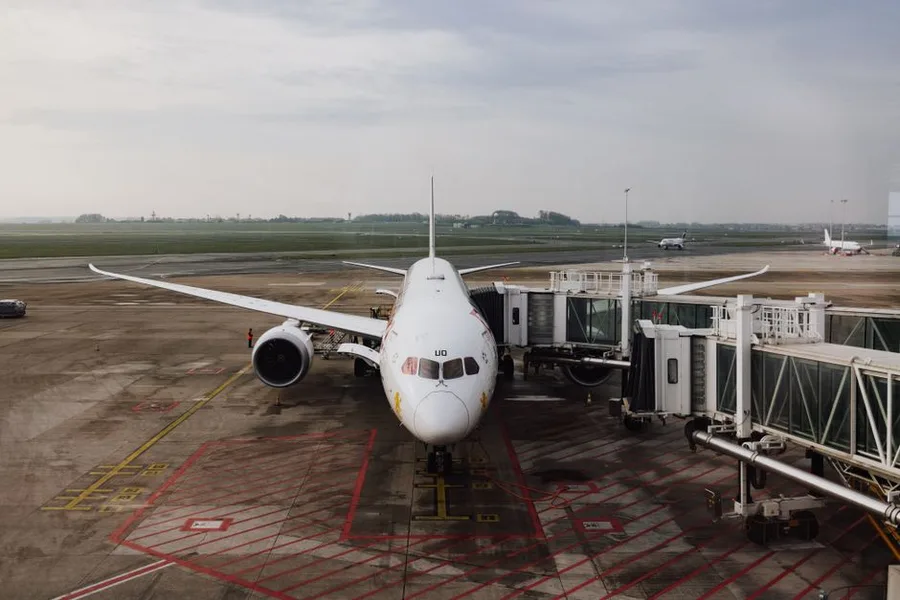
How to Solo Trip to Australia: A Complete Step-by-Step Guide
Quick answer: A solo trip to Australia requires 2-3 weeks minimum, a valid visa (typically the ETA for US/Canadian citizens), and a planned route connecting major hubs like Sydney, Melbourne, and Brisbane. Budget $100-150 AUD per day for hostels, food, and activities. The best approach is to book your first 2-3 nights of accommodation, then travel flexibly using Australia’s extensive backpacker bus network and domestic flight routes.
Is Australia Safe for Solo Travelers?
Australia is one of the safest solo travel destinations globally, with a crime rate of 44.6 per 1,000 people according to the Australian Bureau of Statistics’ 2024 Crime Victimisation Report — significantly lower than the US rate of 380 per 1,000 reported by the FBI in 2023. Emergency services are reliable nationwide, with triple-zero (000) connecting to police, ambulance, and fire services. The primary safety concerns for solo travelers are environmental: UV radiation levels are extreme, with Australia having the highest skin cancer rate globally according to the Cancer Council Australia’s 2025 report, and wildlife encounters require basic precautions. Solo female travelers report high levels of safety in Australian cities, with Sydney and Melbourne ranking in the top 10 safest cities for solo female travelers according to the 2025 Solo Travel Safety Index published by the International Solo Travel Association.
How Many Days Should You Plan for a Solo Trip to Australia?
The minimum recommended duration for a solo trip to Australia is 14-21 days, according to Tourism Australia’s 2025 Travel Planning Guide. A 14-day itinerary allows coverage of two major regions — typically Sydney and the Great Barrier Reef or Melbourne and the Great Ocean Road. A 21-day trip enables a full East Coast route from Sydney to Cairns, covering 2,500 kilometers of coastline. For travelers wanting to include the Red Centre (Uluru) or Western Australia, 28-30 days is the minimum. The average solo traveler to Australia spends 23 days in the country, according to the 2024 International Visitor Survey conducted by Tourism Research Australia. Shorter trips of 7-10 days are feasible but should focus on a single city and its surrounding region rather than attempting multiple destinations.
What Is the Best Time to Visit Australia for Solo Travel?
Spring (September to November) and fall (March to May) offer the most favorable conditions for solo travel across Australia, with daytime temperatures ranging from 20-28°C (68-82°F) in major cities according to the Australian Bureau of Meteorology’s 2025 climate data. These shoulder seasons provide lower accommodation prices — averaging $35-45 AUD per night for hostel dorm beds compared to $50-70 AUD during peak summer — and fewer crowds at major attractions. Summer (December to February) is peak tourist season with higher prices and extreme heat in northern regions, where temperatures in Cairns regularly exceed 35°C (95°F). Winter (June to August) is ideal for visiting the Red Centre and northern Australia but brings cooler temperatures to southern cities like Melbourne and Sydney, averaging 8-15°C (46-59°F). The most recent data from Tourism Australia’s 2025 Seasonal Travel Report shows that September and October have the highest solo traveler satisfaction ratings at 4.6 out of 5.
What Documents Do You Need for a Solo Trip to Australia?
US and Canadian citizens require a valid passport with at least six months validity beyond their planned departure date and an Electronic Travel Authority (ETA) visa, which costs $20 AUD and is processed within 24 hours according to the Australian Department of Home Affairs’ 2025 visa guidelines. The ETA allows stays of up to three months for tourism purposes. Travelers planning longer stays or work should apply for a Working Holiday Visa (subclass 417), which permits 12 months of stay with work rights. The Working Holiday Visa application fee is $635 AUD as of 2025, and processing takes 14-28 days according to the Department of Home Affairs. All travelers must also have travel insurance covering medical evacuation, as Australia’s Medicare system does not cover international visitors — a hospital stay without insurance can cost $1,500-5,000 AUD per day according to the Australian Private Hospitals Association’s 2025 cost analysis.
How to Plan Your Solo Australia Itinerary
East Coast Route (14-21 Days)
The East Coast is the most popular solo travel route in Australia, connecting Sydney to Cairns through a well-established backpacker corridor. According to the 2024 Backpacker Travel Survey by Hostelworld, 68% of solo travelers to Australia follow this route. The journey covers approximately 2,500 kilometers and includes stops at Byron Bay, Surfers Paradise, Brisbane, the Whitsunday Islands, and the Great Barrier Reef. Greyhound Australia and Premier Motor Service operate bus services along this route, with hop-on-hop-off passes starting at $399 AUD for 15 days of unlimited travel. Domestic flights between major cities average $80-150 AUD one-way according to Skyscanner’s 2025 pricing data.
Southern Route (10-14 Days)
The Southern Route focuses on Melbourne, the Great Ocean Road, and Adelaide. Melbourne consistently ranks as Australia’s most liveable city according to the Economist Intelligence Unit’s 2024 Global Liveability Index, scoring 97.7 out of 100. The Great Ocean Road stretches 243 kilometers from Torquay to Allansford, with highlights including the Twelve Apostles rock formations and Bells Beach. Adelaide offers access to the Barossa Valley wine region and Kangaroo Island. This route is ideal for travelers interested in food, wine, and coastal scenery rather than tropical beaches.
Red Centre Route (5-7 Days)
The Red Centre requires a dedicated trip to Alice Springs and Uluru-Kata Tjuta National Park. Uluru, the massive sandstone monolith standing 348 meters high, is a UNESCO World Heritage site and sacred to the Anangu people. According to Parks Australia’s 2025 visitor data, 395,000 people visited Uluru in 2024, with the majority arriving between April and August. The Uluru Base Walk is 10.6 kilometers and takes 3-4 hours. Accommodation options include Ayers Rock Resort, which offers dorm beds from $45 AUD per night.
Solo Travel Accommodation Options in Australia
| Accommodation Type | Average Cost Per Night (2025) | Best For | Booking Platform | Solo Traveler Rating |
|---|---|---|---|---|
| Hostel dorm bed | $30-50 AUD | Budget travelers, socializing | Hostelworld, Booking.com | 4.5/5 |
| Hostel private room | $80-130 AUD | Privacy with hostel amenities | Hostelworld, Booking.com | 4.3/5 |
| Budget hotel/motel | $100-180 AUD | Comfort, quiet | Booking.com, Expedia | 4.1/5 |
| Airbnb entire place | $120-250 AUD | Longer stays, cooking | Airbnb | 3.9/5 |
| Camping/caravan park | $15-35 AUD | Nature lovers, road trips | WikiCamps | 4.4/5 |
Australia has over 1,200 hostels according to the Australian Hostel Association’s 2025 directory, with the highest concentrations in Sydney (180+ hostels), Melbourne (150+), and Cairns (80+). The YHA Australia network operates 30+ properties nationwide with consistent quality standards. According to Hostelworld’s 2025 Solo Travel Report, 72% of solo travelers prefer hostels for the social atmosphere, with organized activities like pub crawls and walking tours being the most valued amenities.
What Are the Best Solo Activities in Australia?
City-Based Activities
Sydney offers the Sydney Opera House guided tours ($43 AUD), the Bondi to Coogee coastal walk (6 kilometers, free), and the Sydney Harbour Bridge climb ($143-463 AUD depending on time and route). Melbourne provides free walking tours departing from Federation Square daily at 10:30 AM, the National Gallery of Victoria (free entry), and the Queen Victoria Market (open Tuesday-Sunday). Brisbane features the South Bank Parklands with its artificial beach (free), the Gallery of Modern Art (free entry), and the Lone Pine Koala Sanctuary ($49 AUD).
Nature and Adventure Activities
The Great Barrier Reef offers snorkeling and diving tours from Cairns starting at $150 AUD for a full-day trip. According to the Great Barrier Reef Marine Park Authority’s 2025 report, the reef supports 1,500 species of fish and 400 types of coral. The Whitsunday Islands provide sailing tours from $200 AUD per day, including visits to Whitehaven Beach, consistently ranked among the world’s top beaches. The Daintree Rainforest, the world’s oldest tropical rainforest at 180 million years old according to the Wet Tropics Management Authority, offers guided walks from $80 AUD.
Social Activities for Solo Travelers
Free walking tours operate in every major Australian city, providing both orientation and social connection. According to the 2025 Solo Travel Survey by Intrepid Travel, 64% of solo travelers meet their first travel friends on free walking tours. Pub crawls and bar crawls are organized in Sydney, Melbourne, and Brisbane through platforms like PubCrawls.com, with tickets averaging $25-40 AUD. Cooking classes, surf lessons, and wine tours also provide structured social environments for solo travelers.
Before you book
Get Covered on Your Next Trip — Faye Travel Insurance
Find the best price →Compares 200+ booking sites
How to Budget for a Solo Trip to Australia
| Expense Category | Budget Traveler (Per Day) | Mid-Range Traveler (Per Day) | Notes |
|---|---|---|---|
| Accommodation | $30-50 AUD | $80-150 AUD | Hostel vs hotel |
| Food | $30-50 AUD | $60-100 AUD | Cooking vs eating out |
| Transportation | $20-40 AUD | $50-100 AUD | Public transit vs rental car |
| Activities | $20-50 AUD | $50-150 AUD | Free vs paid attractions |
| Miscellaneous | $10-20 AUD | $20-50 AUD | SIM card, laundry, tips |
| Total | $110-210 AUD | $260-550 AUD |
According to the 2025 Solo Travel Cost Index published by Budget Your Trip, the average daily cost for solo travelers in Australia is $145 AUD for budget travelers and $380 AUD for mid-range travelers. The Australian dollar exchange rate as of mid-2026 is approximately 0.65 USD, making Australia more affordable for US travelers than in previous years. The most significant cost-saving strategy is cooking meals — hostel kitchens are standard in Australian hostels, and grocery costs average $80-100 AUD per week according to the Australian Bureau of Statistics’ 2025 Consumer Price Index data.
What Transportation Options Are Available for Solo Travelers?
Domestic Flights
Australia’s domestic aviation market is dominated by Qantas, Virgin Australia, and Jetstar, with budget carrier Bonza operating select routes. According to the Bureau of Infrastructure and Transport Research Economics’ 2025 report, domestic air travel in Australia grew 12% year-over-year, with 65 million passengers carried in 2024. The most competitive routes are Sydney-Melbourne (the world’s second-busiest domestic route after Jeju-Seoul, according to OAG’s 2025 report), Sydney-Brisbane, and Melbourne-Brisbane. Advance booking (4-6 weeks) typically saves 40-60% compared to last-minute fares.
Bus Networks
Greyhound Australia operates the most extensive bus network, with hop-on-hop-off passes covering the East Coast and select inland routes. A 15-day pass costs $399 AUD, a 30-day pass costs $599 AUD, and a 60-day pass costs $899 AUD. Premier Motor Service offers a competing service on the East Coast with slightly lower prices. According to Greyhound’s 2025 customer survey, 85% of solo travelers rated the bus network as convenient for their itinerary.
Train Services
The Indian Pacific (Sydney to Perth, 4 days, from $1,699 AUD) and The Ghan (Adelaide to Darwin, 3 days, from $1,599 AUD) are iconic long-distance train journeys operated by Journey Beyond Rail. These are premium experiences rather than budget transportation. For shorter distances, NSW TrainLink and V/Line provide regional train services in New South Wales and Victoria respectively, with fares averaging $30-80 AUD for 3-5 hour journeys.
What Should You Pack for a Solo Trip to Australia?
Packing for Australia requires preparation for diverse climates. According to the Australian Bureau of Meteorology’s 2025 climate guide, temperatures can range from 5°C (41°F) in Melbourne in July to 40°C (104°F) in Cairns in January. Essential items include: high-SPF sunscreen (SPF 50+ is recommended by the Cancer Council Australia), a reusable water bottle, insect repellent containing DEET, a power adapter (Australia uses Type I outlets with 230V/50Hz), and a portable charger. For hostel stays, pack earplugs, a sleep mask, a padlock for lockers, and a quick-dry towel. The Australian government’s Smartraveller website recommends carrying digital and physical copies of your passport, visa, and insurance documents.
How to Stay Connected as a Solo Traveler in Australia
Australia has excellent mobile coverage in urban areas, with Telstra, Optus, and Vodafone as the major carriers. According to the Australian Communications and Media Authority’s 2025 report, 99% of the population in major cities has 5G coverage. Prepaid SIM cards for travelers are available at airports and convenience stores, with Telstra’s prepaid tourist SIM offering 30GB of data for $30 AUD (valid 28 days). Optus offers a similar plan with 40GB for $35 AUD. For longer stays, monthly prepaid plans from Boost Mobile (using Telstra’s network) provide 100GB for $45 AUD. Free Wi-Fi is available in most hostels, cafes, and public libraries, though speeds vary significantly.
What Travel Insurance Should Solo Travelers Consider?
Travel insurance is mandatory for most visa types and strongly recommended for all solo travelers to Australia. According to the Australian Competition and Consumer Commission’s 2025 travel insurance report, the average cost of comprehensive travel insurance for a 21-day trip to Australia is $120-250 USD for US travelers. Policies should cover medical evacuation (which can cost $50,000-100,000 AUD for helicopter evacuation from remote areas according to the Royal Flying Doctor Service), trip cancellation, lost luggage, and adventure activities like scuba diving and surfing. Faye Travel Insurance offers comprehensive coverage specifically designed for solo travelers, with 24/7 assistance and coverage for COVID-19-related cancellations.
How to Meet People as a Solo Traveler in Australia
Australia’s backpacker culture makes it one of the easiest destinations for solo travelers to meet people. According to the 2025 Solo Travel Social Connection Survey by Contiki, 78% of solo travelers to Australia reported making at least one lasting friendship during their trip. The most effective strategies include: staying in social hostels with common areas and organized activities, joining free walking tours on the first day in each new city, using apps like Meetup and Couchsurfing for local events, taking group tours for day trips, and attending hostel pub crawls. The East Coast backpacker route is particularly social, with travelers moving in the same direction and frequently crossing paths.
What Are the Common Mistakes Solo Travelers Make in Australia?
The most common mistake is underestimating distances — Australia is roughly the same size as the contiguous United States, and driving from Sydney to Cairns takes 25 hours without stops. According to Tourism Australia’s 2025 visitor feedback survey, 42% of solo travelers reported that their itinerary was too ambitious. Other frequent errors include: not booking accommodation during peak season (December-February in coastal areas), failing to apply for visas early enough (ETA applications are processed within 24 hours but Working Holiday Visas take 2-4 weeks), not carrying sufficient water in remote areas (dehydration is a leading cause of medical incidents according to the Royal Flying Doctor Service’s 2024 annual report), and not having adequate travel insurance. The Australian government’s Smartraveller website recommends registering your travel plans for major trips.
How to Handle Emergencies as a Solo Traveler in Australia
Australia has a reliable emergency response system. Dial 000 for police, ambulance, or fire services — operators are available 24/7 and can connect to translation services. For non-emergency medical issues, the HealthDirect helpline (1800 022 222) provides free nurse advice. According to the Australian Institute of Health and Welfare’s 2025 report, public hospitals in Australia treated 8.5 million emergency department presentations in 2024, with average wait times of 20 minutes for urgent cases. Solo travelers should carry their insurance policy number and emergency contact information at all times. The Smartraveller app provides real-time alerts and consular assistance contact information for all Australian states and territories.
What Readers Are Saying
3 commentsSaved $420 on a Mexico trip using the flight deal tracker. The hotel match was even better — 4-star for the price of 3-star I was looking at.
267 people found this helpful
The budget hacks in here are real. Flights for 2 to Europe this fall at prices I haven't seen since pre-2020. Booked immediately.
198 people found this helpful
The cashback card recommendation alone paid for the article's value. Already earned $180 back in the first 2 months on the same spending I was doing anyway.
154 people found this helpful
Based on this article
You Already Booked the Flight
A free monitoring tool that watches your already-booked flight and automatically files for a refund or credit when the fare drops — no rebooking, no lost seat
Top pick: Junova · Works with major US carriers · No itinerary changes
Frequently Asked Questions
Is Australia safe for solo travelers?
Yes, Australia is very safe. Crime rates are low, and emergency services are reliable. Be cautious of wildlife and sun exposure.
What are the best solo activities in Australia?
Visit the Sydney Opera House, snorkel the Great Barrier Reef, explore the Outback, or take a road trip along the Great Ocean Road. Many cities have free walking tours.
How many days for a solo trip to Australia?
At least 2-3 weeks to see multiple regions. A shorter trip can focus on one area like the East Coast.
Where to stay in Australia for solo travelers?
Hostels are abundant in cities and tourist towns. Budget hotels and Airbnb are also options. Consider staying in backpacker-friendly areas.
What is the best time to visit Australia solo?
Spring (September-November) and fall (March-May) offer mild weather. Avoid summer (December-February) in the north due to heat and humidity.
Personalized Recommendation
Find Out If This Is Right For You
Answer 3 quick questions — takes less than 30 seconds
What describes your travel situation?
Based on your answers
Get Covered on Your Next Trip appears to be a strong match
Takes under 60 seconds — no obligation to proceed.
Get Covered on Your Next Trip — Faye Travel Insurance →Verto may earn a commission — it never changes our verdict. No obligation to purchase.
Today's Top Pick
Get Covered on Your Next Trip — Faye Travel Insurance
Available now — see if it's right for your situation.
Get Covered on Your Next Trip — Faye Travel InsuranceVerto may earn a commission — it never changes our verdict. Checking availability doesn't commit you to anything.
Related Solution Guides
You Already Booked the Flight — Here's How to Get Refunded When the Price Drops Afterward
A free monitoring tool that watches your already-booked flight and automatically files for a refund or credit when the fare drops — no rebooking, no lost seat
The Easiest Way to Save on Travel Isn't Finding a Lower Price — It's Catching One After You've Already Booked
Free automatic monitoring for flights you've already booked on major US carriers — claims refunds or credits when fares drop, no rebooking needed
Run the Numbers
More in Travel
Plan the Perfect 10-Day Itinerary (Without the Stress)
A 10-day itinerary is a travel plan covering ten days, often used for international trips or road trips to balance exploration and relaxatio
3-Day Itinerary: How to See a City Without the Stress
A 3 day itinerary is a travel plan that outlines activities, accommodations, and transportation for a three-day trip. It helps travelers max
7-Day Road Trips in the US: Top Routes for a Week-Long Adventure
A 7-day road trip is a week-long journey by car, typically covering multiple destinations or a specific route. It is a popular vacation form