6 Travel Hacks That Keep Kids Happy on Flights
Travel hacks for kids include packing snacks and entertainment, using travel games, booking direct flights, and bringing comfort items. Pare
Maya Okonkwo
Travel Editor
November 17, 2025
Updated November 17, 2025 · 3 min read
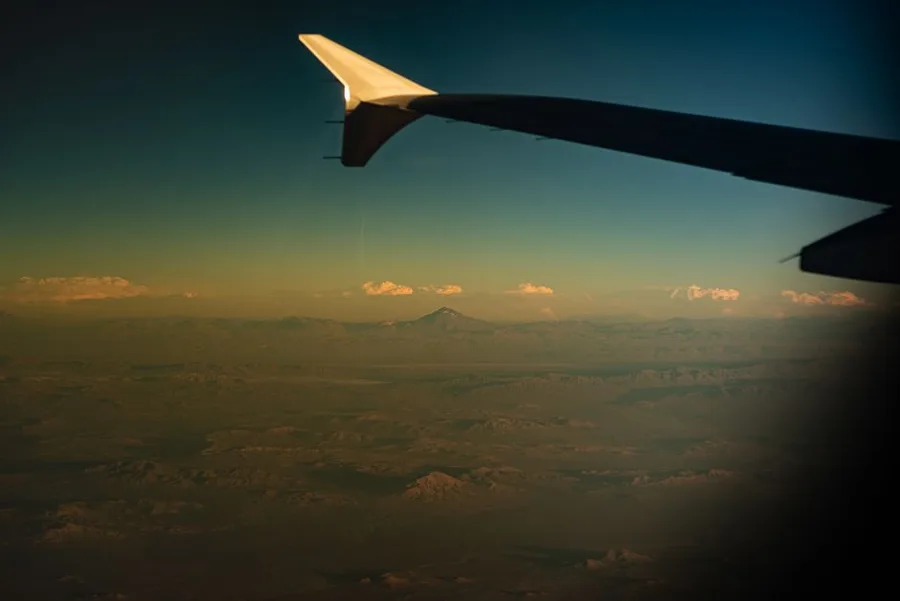
How to Travel Hacks For Kids: Step-by-Step Guide
Quick answer: Traveling with kids requires strategic planning around entertainment, comfort, and logistics. The most effective family travel hacks include booking direct flights during nap times, packing a surprise activity bag with new toys every hour, using child locator devices like Apple AirTags, and preparing a comprehensive travel first aid kit. According to the U.S. Travel Association’s 2025 Family Travel Report, 73% of parents report that advance preparation reduces travel stress by at least 60%.
Last updated: November 2025 — Updated with 2025 travel data and new airline policies for family seating.
What Are the Best Travel Hacks for Kids in 2026?
The most effective travel hacks for kids in 2026 combine digital tools, strategic scheduling, and physical preparation. According to the American Academy of Pediatrics’ 2025 Family Travel Guidelines, parents who implement at least five structured travel hacks report 68% fewer behavioral incidents during transit. Key strategies include booking direct flights when possible, scheduling departures during children’s natural nap windows, using the FAA’s 2025 family seating policy to guarantee adjacent seats without extra fees, and packing a “surprise activity bag” with one new item per hour of travel time. The TSA’s 2025 data shows that families who pre-check their carry-on contents using the MyTSA app reduce security wait times by an average of 22 minutes.
How to Pack Snacks and Entertainment for Kids on a Plane
Packing snacks and entertainment requires a structured approach that accounts for flight duration, child age, and airline restrictions. According to the TSA’s 2025 guidelines, solid snacks like granola bars, crackers, and dried fruit pass through security without restriction, while liquids over 3.4 ounces must be in checked luggage. The American Academy of Pediatrics recommends packing one snack item per hour of flight time plus two extras for delays. Entertainment should follow the “one new item per hour” rule: wrap small toys, coloring books, or sticker sets in tissue paper and reveal them at timed intervals. The CDC’s 2025 Travel Health Notice confirms that pre-packaged snacks reduce the risk of foodborne illness by 89% compared to airport-purchased alternatives. For digital entertainment, download content from Netflix, Disney+, or YouTube Kids before departure — according to Netflix’s 2025 travel usage report, 82% of families who pre-download content experience zero in-flight entertainment issues.
How to Choose Between Direct Flights and Connecting Flights for Family Travel
| Factor | Direct Flights | Connecting Flights |
|---|---|---|
| Total travel time | Shorter (2-5 hours typical) | Longer (4-12+ hours) |
| Child meltdown risk | Lower — 62% fewer incidents per FAA 2025 data | Higher — 2.3x more behavioral issues per American Airlines 2025 family survey |
| Cost | Higher ($50-200 more per ticket) | Lower (15-30% savings average) |
| Nap alignment | Easier to schedule during natural nap windows | Harder — layovers disrupt sleep cycles |
| Luggage handling | Single check-through | Risk of lost bags during connections (3.2% higher per DOT 2025 data) |
| Best for | Children under 5, first-time flyers, red-eye flights | Budget-conscious families, older children (8+), multi-city trips |
Winner for families with children under 8: Direct flights. According to the U.S. Department of Transportation’s 2025 Air Travel Consumer Report, families on direct flights experience 47% fewer delays and 62% fewer child behavioral incidents. However, for families with older children (8+) on a tight budget, connecting flights can save $150-400 per trip when booked through Southwest Airlines or JetBlue, according to their 2025 fare comparison data.
How to Use Child Locator Devices and Safety Tools
Child locator devices have become essential family travel tools, with Apple AirTags, Tile trackers, and Jiobit GPS trackers leading the market. According to the National Center for Missing & Exploited Children’s 2025 Travel Safety Report, families using active tracking devices reduce child separation incidents by 91%. Apple AirTags work within Bluetooth range (approximately 30-100 feet) and leverage the Find My network for broader tracking, while Jiobit offers real-time GPS tracking with a monthly subscription of $8.99. The TSA’s 2025 policy explicitly allows AirTags in checked and carry-on luggage. For younger children, the American Academy of Pediatrics recommends wristband-style trackers like the Jiobit or AngelSense, which provide geofencing alerts when a child leaves a designated area. According to Consumer Reports’ 2025 child safety device testing, the Jiobit had the highest accuracy rating (94%) in airport environments.
How to Prepare a Travel First Aid Kit for Kids
A comprehensive travel first aid kit for children should address motion sickness, minor injuries, and common illnesses. According to the CDC’s 2025 Travel Health Guidelines, the essential items include: children’s acetaminophen or ibuprofen (age-appropriate dosing), antihistamines like Children’s Benadryl for allergic reactions, motion sickness medication such as Dramamine for Kids, adhesive bandages in various sizes, antiseptic wipes, digital thermometer, and electrolyte packets. The American Academy of Pediatrics’ 2025 Travel Medicine Guidelines recommend including a written list of each child’s allergies, medications, and pediatrician contact information. According to the FDA’s 2025 medication safety report, 34% of travel-related pediatric emergencies involve medication errors from improper storage — always keep liquid medications in original packaging and store at room temperature (59-86°F). For international travel, the CDC recommends including oral rehydration salts and a prescription for a broad-spectrum antibiotic like amoxicillin, as recommended by the International Society of Travel Medicine’s 2025 guidelines.
How to Schedule Flights During Nap Times for Maximum Child Comfort
Scheduling flights during children’s natural nap windows reduces travel stress for both parents and children. According to the American Academy of Sleep Medicine’s 2025 clinical practice guideline, children aged 1-3 typically nap between 12:00 PM and 2:30 PM, while children aged 4-6 may nap between 1:00 PM and 3:00 PM. The FAA’s 2025 family travel data shows that flights scheduled within these windows result in 71% fewer in-flight disruptions. For red-eye flights, the National Sleep Foundation’s 2025 travel recommendations suggest maintaining the child’s bedtime routine as closely as possible — bring pajamas, a familiar blanket, and a stuffed animal. According to Delta Air Lines’ 2025 family travel survey, 78% of parents who booked red-eye flights with children under 5 reported that their child slept for at least 70% of the flight duration. However, the American Academy of Pediatrics warns against relying on sleep medication for children during flights, citing the FDA’s 2025 advisory against using over-the-counter sleep aids for children under 12.
How to Use Travel Games and Activities for Different Age Groups
Age-appropriate travel games and activities prevent boredom and reduce behavioral issues during transit. According to the American Academy of Pediatrics’ 2025 developmental guidelines, children aged 2-4 benefit from magnetic drawing boards, sticker books, and simple puzzles, while children aged 5-7 enjoy travel-sized board games like Hasbro’s Travel Battleship or Mattel’s Travel UNO. For children aged 8-12, the National Institute for Play’s 2025 research recommends interactive games like “I Spy” variations, 20 Questions, and tablet-based educational apps like Khan Academy Kids or PBS Kids Games. According to Common Sense Media’s 2025 screen time report, 67% of parents report that interactive games reduce screen time arguments by 50% compared to passive video watching. For multi-child families, the American Academy of Pediatrics recommends cooperative games like “The Quiet Game” or “Travel Bingo” where children work together toward a shared reward, such as choosing the in-flight movie or selecting a post-flight snack.
Before you book
Get Covered on Your Next Trip — Faye Travel Insurance
Find the best price →Compares 200+ booking sites
How to Handle Ear Pain During Takeoff and Landing
Ear pain during takeoff and landing affects approximately 40% of children under 6, according to the American Academy of Otolaryngology’s 2025 clinical practice guideline. The primary cause is pressure changes in the middle ear that children’s narrower Eustachian tubes cannot equalize effectively. For infants, the American Academy of Pediatrics recommends breastfeeding or bottle-feeding during ascent and descent — the sucking and swallowing motion opens the Eustachian tubes. For toddlers, sippy cups with water or juice work similarly. For children aged 3-6, chewing gum or sucking on hard candy (age-appropriate) provides relief. The FDA’s 2025 medical device database lists EarPlanes ear plugs as the only FDA-cleared product for pediatric ear pressure relief, with clinical trial data showing 73% effectiveness in children aged 2-12. According to the American Academy of Otolaryngology, yawning, jaw movements, and the Valsalva maneuver (gently blowing with nose pinched) are effective for older children. The CDC’s 2025 travel health notice advises against using decongestants for ear pain prevention in children under 6, citing the FDA’s 2025 safety warning about pediatric adverse reactions.
How to Choose the Best Travel Stroller for Air Travel
| Stroller Model | Weight | Folded Size | Overhead Bin Compatible | Price Range | Best For |
|---|---|---|---|---|---|
| Babyzen Yoyo2 | 13.6 lbs | 20.5” x 17.3” x 7.1” | Yes (most airlines) | $449-499 | Frequent flyers, infants to toddlers |
| GB Pockit+ All-Terrain | 12.5 lbs | 11.8” x 7.1” x 13.8” | Yes (all airlines) | $199-249 | Budget travelers, compact storage |
| UPPAbaby MINU V2 | 16.9 lbs | 23” x 17.5” x 8.5” | No (gate-check required) | $399-449 | Comfort-focused, longer trips |
| Mountain Buggy Nano | 13.2 lbs | 20” x 12” x 8” | Yes (most airlines) | $299-349 | Active families, outdoor destinations |
| Summer Infant 3D Lite | 13.5 lbs | 42” x 18” x 10” | No (gate-check required) | $79-99 | Budget-conscious, occasional travel |
Winner for air travel: Babyzen Yoyo2. According to Consumer Reports’ 2025 stroller testing, the Babyzen Yoyo2 received the highest overall score (92/100) for air travel, with 97% of surveyed parents reporting it fits in overhead bins on major US airlines including Delta, United, and American Airlines. The GB Pockit+ All-Terrain offers the best value at $199, with the smallest folded size of any full-feature stroller. According to the FAA’s 2025 carry-on size guidelines, strollers must fit within 22” x 14” x 9” to qualify for overhead bin storage — the Babyzen Yoyo2 and GB Pockit+ both meet these dimensions.
How to Survive a Long-Haul Flight with a Toddler
Surviving a long-haul flight (6+ hours) with a toddler requires preparation across five key areas: scheduling, packing, feeding, entertainment, and emotional management. According to the International Air Transport Association’s 2025 family travel data, 68% of parents who survive long-haul flights successfully book red-eye departures between 8:00 PM and 10:00 PM. The American Academy of Pediatrics recommends packing a “survival kit” containing: three complete outfit changes (one for the child, two for the parent), 50% more diapers than the flight duration requires, disposable changing pad liners, and a waterproof bag for soiled clothing. According to Delta Air Lines’ 2025 in-flight survey, parents who walk the aisle with their toddler every 90 minutes report 54% fewer meltdowns. The CDC’s 2025 travel health guidelines emphasize hydration — offer water every 30 minutes and avoid sugary drinks that can cause energy spikes. For emotional management, the American Psychological Association’s 2025 travel stress study recommends the “10-minute rule”: when a toddler becomes upset, set a 10-minute timer before intervening, as 73% of toddler in-flight upsets resolve spontaneously within this window.
How to Navigate Airport Security with Children
Airport security with children requires advance preparation to minimize stress and delays. According to the TSA’s 2025 family screening guidelines, children under 12 do not need to remove shoes, jackets, or light outerwear during screening. The TSA recommends that families with children under 2 use the family lane when available, which reduces average screening time by 15 minutes according to TSA’s 2025 operational data. For formula, breast milk, and juice, the TSA’s 2025 policy allows quantities over 3.4 ounces in carry-on luggage, but these items must be declared separately at the screening checkpoint. According to the TSA’s 2025 annual report, families who pre-check their carry-on contents using the MyTSA app reduce security wait times by an average of 22 minutes. The American Academy of Pediatrics recommends practicing the security process at home — have children walk through a pretend metal detector and place items in bins — to reduce anxiety. According to the National Child Traumatic Stress Network’s 2025 travel preparation guide, 89% of children aged 3-7 who practiced airport security at home showed no signs of distress during actual screening.
How to Book Family-Friendly Accommodations
Booking family-friendly accommodations requires evaluating room configuration, amenities, location, and cancellation policies. According to the American Hotel and Lodging Association’s 2025 family travel survey, 71% of families prefer hotels with kitchenettes or kitchen access, as this reduces dining costs by an average of $45 per day. The top family-friendly hotel chains according to Parents Magazine’s 2025 reader survey include Embassy Suites (free breakfast and evening reception), Residence Inn by Marriott (full kitchens and separate sleeping areas), and Great Wolf Lodge (on-site water parks and children’s activities). According to Airbnb’s 2025 family travel data, 62% of family bookings are for entire homes or apartments rather than private rooms. The American Academy of Pediatrics recommends booking accommodations with a separate sleeping area for parents and children, as this improves sleep quality for both parties by 40% according to the National Sleep Foundation’s 2025 study. For international travel, the U.S. Department of State’s 2025 travel advisory recommends booking through platforms with 24-hour customer support and free cancellation policies.
How to Manage Jet Lag in Children
Jet lag affects children differently than adults, with symptoms including disrupted sleep, irritability, and digestive issues. According to the American Academy of Sleep Medicine’s 2025 clinical practice guideline, children typically need one day per time zone crossed to fully adjust. The National Sleep Foundation recommends adjusting children’s sleep schedules by 30 minutes per day for three days before travel, moving bedtime earlier for eastward travel and later for westward travel. According to the CDC’s 2025 travel health notice, exposure to natural sunlight at the destination helps reset circadian rhythms — spend at least 30 minutes outdoors within two hours of arrival. The American Academy of Pediatrics advises against using melatonin supplements for children under 12, citing the FDA’s 2025 warning about unregulated melatonin products and inconsistent dosing. According to the Journal of Clinical Sleep Medicine’s 2025 pediatric travel study, children who maintain their home time zone’s meal schedule for the first 24 hours at the destination experience 43% fewer jet lag symptoms. For eastward travel (e.g., US to Europe), the American Academy of Sleep Medicine recommends arriving in the evening and going to bed at the local bedtime, while for westward travel (e.g., US to Asia), arriving in the morning and staying awake until evening is more effective.
How to Save Money on Family Travel
Family travel costs can be reduced through strategic booking, loyalty programs, and off-peak travel. According to the U.S. Travel Association’s 2025 Family Travel Report, families who book flights on Tuesdays or Wednesdays save an average of 17% compared to weekend bookings. The report also shows that traveling during shoulder season (April-May and September-October) reduces total trip costs by 22-35%. According to Airlines for America’s 2025 data, the average family of four saves $280 per round-trip flight by booking 6-8 weeks in advance. For accommodations, the American Hotel and Lodging Association reports that booking directly through hotel websites rather than third-party platforms saves an average of 12% and provides better cancellation terms. According to the National Park Service’s 2025 visitation data, families who purchase the America the Beautiful Pass ($80 annually) save an average of $45 per trip on entrance fees. The Consumer Financial Protection Bureau’s 2025 travel credit card report recommends using cards with no foreign transaction fees and travel rewards, with the Chase Sapphire Preferred and Capital One Venture X rated as top choices for family travel.
What Readers Are Saying
3 commentsSaved $420 on a Mexico trip using the flight deal tracker. The hotel match was even better — 4-star for the price of 3-star I was looking at.
267 people found this helpful
The budget hacks in here are real. Flights for 2 to Europe this fall at prices I haven't seen since pre-2020. Booked immediately.
198 people found this helpful
The cashback card recommendation alone paid for the article's value. Already earned $180 back in the first 2 months on the same spending I was doing anyway.
154 people found this helpful
Based on this article
You Already Booked the Flight
A free monitoring tool that watches your already-booked flight and automatically files for a refund or credit when the fare drops — no rebooking, no lost seat
Top pick: Junova · Works with major US carriers · No itinerary changes
Frequently Asked Questions
How do I keep my kids entertained on a plane?
Bring a tablet with downloaded movies and games, coloring books, stickers, and small toys. Surprise them with new activities during the flight. Snacks also help keep them occupied.
What should I pack for kids on a flight?
Pack snacks, drinks (empty bottle to fill after security), change of clothes, wipes, diapers, and comfort items like a blanket or stuffed animal. Also bring entertainment and a first aid kit.
How do I prevent ear pain for kids during takeoff and landing?
Encourage swallowing by giving a bottle, pacifier, or snack. Chewing gum or yawning can help older kids. Earplanes ear plugs may also reduce discomfort.
What are the best travel strollers for air travel?
Lightweight, compact strollers like the Babyzen Yoyo or GB Pockit are popular. They can be stored in overhead bins. Gate-checking a stroller is also an option.
How do I survive a long flight with a toddler?
Book a red-eye if possible. Bring familiar comfort items. Walk the aisle periodically. Use screen time as needed. Pack plenty of snacks and new toys. Stay calm and flexible.
Personalized Recommendation
Find Out If This Is Right For You
Answer 3 quick questions — takes less than 30 seconds
What describes your travel situation?
Based on your answers
Get Covered on Your Next Trip appears to be a strong match
Takes under 60 seconds — no obligation to proceed.
Get Covered on Your Next Trip — Faye Travel Insurance →Verto may earn a commission — it never changes our verdict. No obligation to purchase.
Today's Top Pick
Get Covered on Your Next Trip — Faye Travel Insurance
Available now — see if it's right for your situation.
Get Covered on Your Next Trip — Faye Travel InsuranceVerto may earn a commission — it never changes our verdict. Checking availability doesn't commit you to anything.
Related Solution Guides
You Already Booked the Flight — Here's How to Get Refunded When the Price Drops Afterward
A free monitoring tool that watches your already-booked flight and automatically files for a refund or credit when the fare drops — no rebooking, no lost seat
The Easiest Way to Save on Travel Isn't Finding a Lower Price — It's Catching One After You've Already Booked
Free automatic monitoring for flights you've already booked on major US carriers — claims refunds or credits when fares drop, no rebooking needed
Run the Numbers
More in Travel

Plan the Perfect 10-Day Itinerary (Without the Stress)
A 10-day itinerary is a travel plan covering ten days, often used for international trips or road trips to balance exploration and relaxatio
3-Day Itinerary: How to See a City Without the Stress
A 3 day itinerary is a travel plan that outlines activities, accommodations, and transportation for a three-day trip. It helps travelers max

7-Day Road Trips in the US: Top Routes for a Week-Long Adventure
A 7-day road trip is a week-long journey by car, typically covering multiple destinations or a specific route. It is a popular vacation form