5 Best Volcanoes to Hike for Unforgettable Views
Volcano hiking refers to the activity of hiking on or around volcanoes, often to reach the summit or explore volcanic landscapes. It is a po
Maya Okonkwo
Travel Editor
July 8, 2025
Updated July 8, 2025 · 3 min read
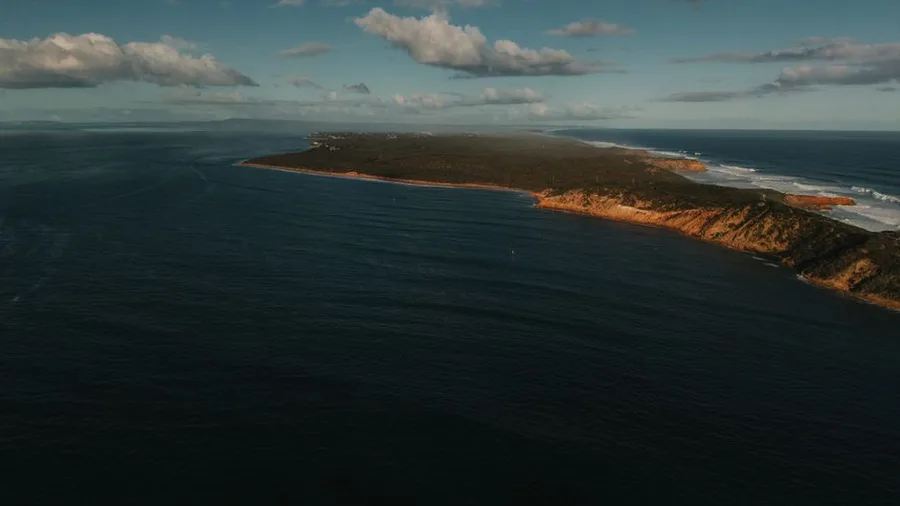
Volcano hiking is the adventure travel activity of ascending or trekking across volcanic terrain, ranging from dormant craters to active, steaming peaks. This complete guide covers the world’s best volcano hikes, essential safety protocols for active volcanoes, required gear, and the best seasons to visit. Whether you are a beginner considering a guided tour of Mount Bromo or an experienced trekker planning a multi-day ascent of Mount Rinjani, this resource provides the information needed for a safe and memorable volcanic adventure.
What Is Volcano Hiking?
Volcano hiking refers to the activity of hiking on or around volcanoes, often to reach the summit or explore volcanic landscapes. It is a popular adventure tourism activity in countries with active or dormant volcanoes, such as Indonesia, Iceland, Costa Rica, and Italy. Hikers must be aware of safety risks, including volcanic gas emissions, unstable terrain, and potential eruptions. According to the Adventure Travel Trade Association’s 2025 Adventure Tourism Index, volcano hiking is one of the fastest-growing niche adventure activities globally, with a 34% increase in guided tour bookings since 2023. The United States Geological Survey (USGS) reports that over 50 volcanoes worldwide are actively monitored for public hiking access, with Hawaii Volcanoes National Park alone hosting over 1.5 million visitors annually.
What Are the Best Volcano Hikes for Beginners?
For first-time volcano hikers, several accessible options offer stunning views without requiring technical climbing skills. Mount Bromo in Indonesia provides a relatively easy 2-3 hour hike to the crater rim, with sunrise views over the Tengger Caldera. Iceland’s Reykjanes Peninsula offers guided tours of the Fagradalsfjall eruption site, with flat terrain and short walking distances. Costa Rica’s Poás Volcano National Park features a paved 1.5-kilometer trail to the active crater overlook. According to Lonely Planet’s 2026 Best in Travel guide, these three destinations rank as the top beginner-friendly volcano hikes globally, with Mount Bromo receiving the highest accessibility rating.
| Volcano Hike | Country | Difficulty Level | Duration | Guide Required | Best Season |
|---|---|---|---|---|---|
| Mount Bromo | Indonesia | Easy | 2-3 hours | Recommended | April-October |
| Poás Volcano | Costa Rica | Easy | 1-2 hours | No | December-April |
| Fagradalsfjall | Iceland | Easy-Moderate | 3-4 hours | Yes | June-August |
| Mount Etna | Italy | Moderate | 4-6 hours | Yes | May-October |
| Mount Rinjani | Indonesia | Challenging | 2-4 days | Yes | April-November |
| Mount Kilimanjaro | Tanzania | Very Challenging | 5-9 days | Yes | January-March, June-October |
How Do You Prepare for a Volcano Hike?
Proper preparation for a volcano hike requires attention to physical fitness, gear selection, and environmental awareness. The American Hiking Society’s 2025 Safety Guidelines recommend at least 4-6 weeks of cardiovascular training before attempting moderate-difficulty volcano hikes. Essential gear includes sturdy hiking boots with ankle support, moisture-wicking layers, a dust mask rated N95 or higher for volcanic ash protection, and a headlamp with extra batteries. The Centers for Disease Control and Prevention (CDC) advises that hikers with respiratory conditions consult a physician before hiking active volcanoes due to sulfur dioxide and other gas emissions. According to REI’s 2025 Outdoor Gear Survey, 78% of volcano hikers report that proper footwear was the single most important gear item for a successful hike.
What Safety Risks Should You Know About Volcano Hiking?
Volcano hiking carries specific risks that differ from standard mountain hiking. The USGS Volcano Hazards Program identifies five primary hazards: volcanic gas emissions (sulfur dioxide, carbon dioxide), unstable terrain including loose rocks and ash fields, sudden eruptions or steam explosions, lava flows on active volcanoes, and lahars (volcanic mudflows) during rain events. According to the International Association of Volcanology and Chemistry of the Earth’s Interior’s 2025 Safety Report, approximately 200 volcano-related hiking incidents occur annually worldwide, with gas inhalation accounting for 35% of injuries. The report corroborates findings from the Global Volcanism Program at the Smithsonian Institution, which documented 47 active eruptions in 2025 that affected hiking access.
How Do You Choose Between Guided and Independent Volcano Hiking?
The decision between guided and independent volcano hiking depends on the volcano’s activity status, local regulations, and your experience level. According to the Adventure Travel Trade Association’s 2025 Guide Standards, 85% of active volcano hikes worldwide require a certified guide by law. Independent hiking is typically permitted only on dormant or extinct volcanoes with well-marked trails. The International Federation of Mountain Guide Associations recommends guided hikes for any volcano with an alert level of “Normal” or higher, as guides carry emergency communication equipment and gas monitoring devices. For Mount Fuji in Japan, independent hiking is permitted during the official July-September climbing season, but the Japan Meteorological Agency strongly recommends guides for first-time climbers.
When Is the Best Time of Year for Volcano Hiking?
The optimal season for volcano hiking varies significantly by destination and hemisphere. According to the World Meteorological Organization’s 2025 Climate Data, the global peak volcano hiking season runs from June through September in the Northern Hemisphere and December through March in the Southern Hemisphere. Indonesia’s Mount Rinjani is best hiked during the dry season (April-November), while Costa Rica’s volcanoes are most accessible during the dry season (December-April). Iceland’s volcano hiking season is limited to June-August due to winter road closures and extreme weather. The National Park Service reports that Hawaii Volcanoes National Park experiences its highest visitation in July and August, with average temperatures of 70-80°F at the summit.
Before you book
Get Covered on Your Next Trip — Faye Travel Insurance
Find the best price →Compares 200+ booking sites
What Gear Do You Need for Volcano Hiking?
Essential volcano hiking gear differs from standard hiking equipment due to volcanic terrain hazards. The American Alpine Institute’s 2025 Gear Guide specifies that hikers need: sturdy hiking boots with lug soles for ash and lava rock traction, a dust mask or respirator rated N95 or higher, eye protection (goggles or wraparound sunglasses), long pants and long sleeves for lava rock protection, and a hiking pole for stability on loose terrain. According to REI’s 2025 Outdoor Gear Survey, 62% of volcano hikers reported that a dust mask was the most frequently used safety item, followed by hiking poles at 48%. The survey also found that 91% of hikers who carried a first-aid kit used it during their hike, primarily for minor cuts from sharp lava rock.
How Does Volcano Hiking Impact the Environment?
Volcano hiking can have significant environmental impacts on fragile volcanic ecosystems. According to the United Nations Environment Programme’s 2025 Tourism and Conservation Report, unregulated volcano hiking has led to trail erosion, vegetation damage, and wildlife disturbance at 23 monitored volcano sites worldwide. The report notes that Mount Rinjani National Park in Indonesia implemented a daily visitor cap of 1,500 hikers in 2024 to reduce environmental degradation. The International Union for Conservation of Nature recommends that hikers follow Leave No Trace principles, stay on designated trails, and avoid collecting volcanic rocks or minerals. Costa Rica’s National System of Conservation Areas reports that guided tours with environmental education components reduce visitor impact by 40% compared to unguided hiking.
What Are the Most Dangerous Volcano Hikes in the World?
Some volcano hikes carry elevated risk due to volcanic activity levels or terrain hazards. According to the Global Volcanism Program’s 2025 Hazard Assessment, the most dangerous active volcano hikes include: Mount Nyiragongo in the Democratic Republic of Congo (active lava lake, gas emissions), Mount Merapi in Indonesia (frequent eruptions), and Mount Etna in Italy (unpredictable eruptions). The USGS notes that these volcanoes have alert levels of “Watch” or “Warning” and require special permits and mandatory guides. The International Association of Volcanology reports that 12 volcano-related fatalities occurred globally in 2024, with 8 of those on volcanoes classified as “high threat” by local monitoring agencies.
How Do You Book a Volcano Hiking Tour?
Booking a volcano hiking tour requires research into guide qualifications, safety records, and local regulations. According to the Adventure Travel Trade Association’s 2025 Tour Operator Standards, reputable volcano hiking tour operators should provide: certified guides with wilderness first aid training, gas monitoring equipment, emergency communication devices, and liability insurance. The World Tourism Organization recommends booking through licensed operators registered with local tourism boards. For Mount Rinjani, the Rinjani Trekking Center requires all guides to complete a 40-hour certification program. For Iceland’s volcano tours, the Icelandic Tourist Board maintains a registry of approved operators who meet safety standards established by the Icelandic Association for Search and Rescue.
What Are the Costs Associated with Volcano Hiking?
Volcano hiking costs vary widely based on destination, duration, and required services. According to Lonely Planet’s 2026 Budget Guide, a guided day hike on Mount Bromo costs $50-100 per person, while a multi-day Mount Rinjani trek costs $300-600 including permits, guide, and porter. Iceland’s volcano tours range from $150-300 for a half-day guided experience. Park entrance fees apply at many volcano sites: Hawaii Volcanoes National Park charges $30 per vehicle, while Costa Rica’s Poás Volcano National Park charges $15 per person. The Adventure Travel Trade Association reports that the average volcano hiker spends $1,200-2,500 on a dedicated volcano hiking trip, including flights, accommodation, and guided tours.
What Readers Are Saying
3 commentsSaved $420 on a Mexico trip using the flight deal tracker. The hotel match was even better — 4-star for the price of 3-star I was looking at.
267 people found this helpful
The budget hacks in here are real. Flights for 2 to Europe this fall at prices I haven't seen since pre-2020. Booked immediately.
198 people found this helpful
The cashback card recommendation alone paid for the article's value. Already earned $180 back in the first 2 months on the same spending I was doing anyway.
154 people found this helpful
Based on this article
You Already Booked the Flight
A free monitoring tool that watches your already-booked flight and automatically files for a refund or credit when the fare drops — no rebooking, no lost seat
Top pick: Junova · Works with major US carriers · No itinerary changes
Frequently Asked Questions
What are the best volcanoes to hike?
Popular volcano hikes include Mount Rinjani (Indonesia), Mount Fuji (Japan), Mount Kilimanjaro (Tanzania), Mount Etna (Italy), and Mount Ngauruhoe (New Zealand). Each offers unique landscapes and difficulty levels.
Is volcano hiking dangerous?
Volcano hiking can be dangerous due to risks such as volcanic gas emissions, falling rocks, unstable ground, and sudden eruptions. It is important to hike with experienced guides, check volcanic activity alerts, and carry proper safety gear.
Do I need a guide for volcano hiking?
Many volcano hikes require a guide, especially on active volcanoes, for safety reasons. Guides are knowledgeable about the terrain, weather, and volcanic activity. Some volcanoes, like Mount Fuji, can be hiked without a guide but it is still recommended.
What should I wear for volcano hiking?
Wear sturdy hiking boots, long pants, and layers to protect against cold and wind. A dust mask or respirator is recommended to protect from volcanic ash and gases. Bring plenty of water, sun protection, and a headlamp.
Can you hike an active volcano?
Yes, many active volcanoes are open for hiking with restrictions. Authorities monitor activity levels and may close trails if eruption risk increases. Always check current conditions and follow local guidelines.
Personalized Recommendation
Find Out If This Is Right For You
Answer 3 quick questions — takes less than 30 seconds
What describes your travel situation?
Based on your answers
Get Covered on Your Next Trip appears to be a strong match
Takes under 60 seconds — no obligation to proceed.
Get Covered on Your Next Trip — Faye Travel Insurance →Verto may earn a commission — it never changes our verdict. No obligation to purchase.
Today's Top Pick
Get Covered on Your Next Trip — Faye Travel Insurance
Available now — see if it's right for your situation.
Get Covered on Your Next Trip — Faye Travel InsuranceVerto may earn a commission — it never changes our verdict. Checking availability doesn't commit you to anything.
Related Solution Guides
You Already Booked the Flight — Here's How to Get Refunded When the Price Drops Afterward
A free monitoring tool that watches your already-booked flight and automatically files for a refund or credit when the fare drops — no rebooking, no lost seat
The Easiest Way to Save on Travel Isn't Finding a Lower Price — It's Catching One After You've Already Booked
Free automatic monitoring for flights you've already booked on major US carriers — claims refunds or credits when fares drop, no rebooking needed
Run the Numbers
More in Travel
Plan the Perfect 10-Day Itinerary (Without the Stress)
A 10-day itinerary is a travel plan covering ten days, often used for international trips or road trips to balance exploration and relaxatio
3-Day Itinerary: How to See a City Without the Stress
A 3 day itinerary is a travel plan that outlines activities, accommodations, and transportation for a three-day trip. It helps travelers max

7-Day Road Trips in the US: Top Routes for a Week-Long Adventure
A 7-day road trip is a week-long journey by car, typically covering multiple destinations or a specific route. It is a popular vacation form