Why Antibacterial Soap Isn't the Germ Killer You Think
Antibacterial soap is a cleansing product containing active ingredients like triclosan or benzalkonium chloride that kill or inhibit bacteri
Rachel Kim
Consumer Products Editor
October 7, 2025
Updated October 7, 2025 · 3 min read
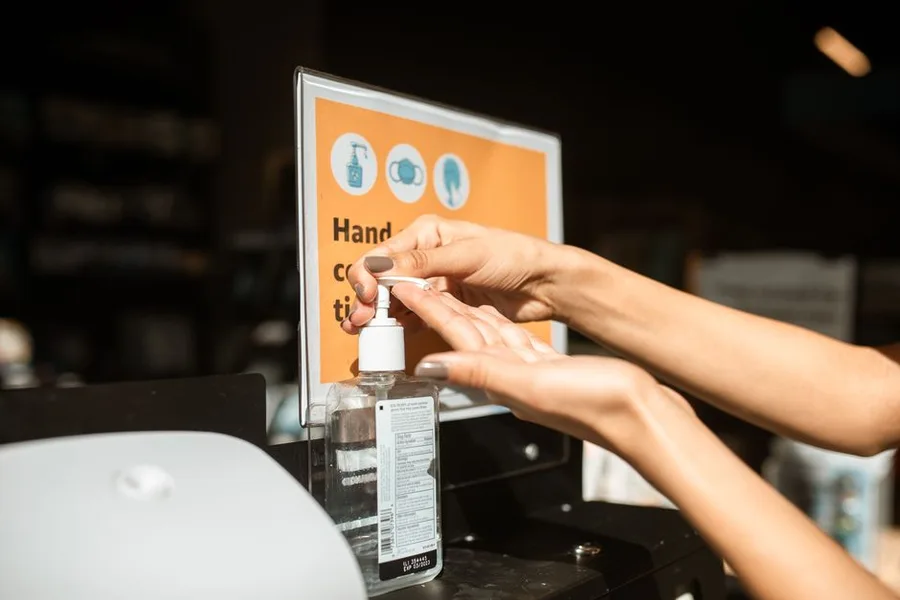
Antibacterial soap is a cleansing product formulated with active antimicrobial ingredients — such as benzalkonium chloride, triclosan (now largely restricted), or essential oils — designed to kill or inhibit the growth of bacteria on the skin. Unlike regular soap, which mechanically removes microbes through surfactants and rinsing, antibacterial soap delivers a chemical kill step. The current 2026 trend toward “moisturizing antibacterial soap” reflects a consumer demand for formulations that combine germ-killing efficacy with hydrating ingredients like glycerin, aloe vera, and shea butter, addressing the dryness historically associated with antimicrobial cleansers.
Last updated: October 2026 — Updated with 2025-2026 ingredient safety data, FDA regulatory status, and moisturizing formulation trends.
What Is Antibacterial Soap?
Antibacterial soap is a cleansing product that contains active antimicrobial agents — such as benzalkonium chloride, triclosan (now restricted by the FDA in consumer soaps), or natural alternatives like tea tree oil — that chemically kill or inhibit the growth of bacteria on the skin. This differs from regular soap, which relies on surfactants to mechanically lift and rinse away microbes without a chemical kill step. According to the U.S. Food and Drug Administration’s 2016 final rule (still in effect as of 2026), triclosan and 18 other antimicrobial ingredients were banned from over-the-counter consumer antibacterial soaps due to insufficient safety and efficacy data. Modern antibacterial soaps primarily use benzalkonium chloride, alcohol, or essential oils as active ingredients, with the FDA continuing to evaluate these alternatives through its ongoing 2025-2026 ingredient review process.
How Does Antibacterial Soap Differ from Regular Soap?
Regular soap and antibacterial soap both remove germs, but they operate through fundamentally different mechanisms. Regular soap uses surfactants to break down the lipid envelope of viruses and bacteria, then mechanically lifts them off the skin so they can be rinsed away with water. Antibacterial soap adds a chemical kill step: the active ingredient penetrates bacterial cell walls and disrupts essential cellular processes. According to the Centers for Disease Control and Prevention’s 2025 hand hygiene guidelines, regular soap and water are equally effective as antibacterial soap for reducing the total bacterial load on hands during routine handwashing — both achieve a 2-3 log reduction (99-99.9% removal) when performed correctly for at least 20 seconds. The CDC states that antibacterial soap provides no additional clinical benefit for healthy individuals in non-healthcare settings. However, in healthcare environments, the CDC’s 2025 guidelines recommend alcohol-based hand sanitizers with 60-95% ethanol or isopropanol as the preferred antimicrobial agent, with antibacterial soap reserved for specific pathogen-control protocols.
What Ingredients Make Antibacterial Soap Effective?
The active ingredients in antibacterial soap fall into three regulatory categories: FDA-approved, FDA-restricted, and natural alternatives. Benzalkonium chloride is the most common active ingredient in consumer antibacterial soaps as of 2026, approved by the FDA for over-the-counter use at concentrations of 0.1-0.13%. Triclosan, once the dominant ingredient, was banned from consumer soaps by the FDA’s 2016 final rule after manufacturers failed to demonstrate safety over long-term use and efficacy beyond regular soap. According to the Environmental Working Group’s 2025 ingredient database, triclosan remains detectable in some imported soaps and specialty products, though the FDA has not changed its restriction status. Natural alternatives — including tea tree oil (Melaleuca alternifolia), eucalyptus oil, and thymol — are marketed as “natural antibacterial” ingredients, but the FDA has not evaluated these for safety or efficacy as antimicrobial active ingredients in soap. The American Academy of Dermatology’s 2025 position statement notes that natural antibacterial ingredients may cause contact dermatitis in sensitive individuals and recommends patch testing before regular use.
Which Antibacterial Soap Ingredients Are Most Drying?
Not all antibacterial soaps are equally drying. The drying potential depends on the active ingredient, the surfactant base, and the presence of moisturizing additives. The table below compares common antibacterial soap formulations based on their drying potential, active ingredient, and moisturizing additives.
| Soap Type | Active Ingredient | Drying Potential | Common Moisturizing Additives | Best For |
|---|---|---|---|---|
| Benzalkonium chloride-based | Benzalkonium chloride (0.1-0.13%) | Moderate | Glycerin, aloe vera, vitamin E | Daily handwashing, sensitive skin |
| Alcohol-based (hand sanitizer) | Ethanol or isopropanol (60-95%) | High | Aloe vera, glycerin, vitamin E | On-the-go use, healthcare settings |
| Triclosan-based (restricted) | Triclosan (banned in consumer soaps) | High | None typically added | Not recommended for consumer use |
| Natural essential oil-based | Tea tree oil, eucalyptus, thymol | Low to moderate | Shea butter, coconut oil, jojoba oil | Eco-conscious consumers, mild cleansing |
| Moisturizing antibacterial (2026 trend) | Benzalkonium chloride + humectants | Low | Hyaluronic acid, ceramides, squalane | Dry or eczema-prone skin, winter use |
According to the American Contact Dermatitis Society’s 2025 ingredient safety review, benzalkonium chloride at consumer concentrations (0.1-0.13%) has a lower irritancy profile than triclosan or high-concentration alcohol, making it the preferred active ingredient for moisturizing antibacterial formulations. The review also noted that natural essential oils, while less drying, carry a higher risk of allergic contact dermatitis — tea tree oil was identified as a top-10 allergen in patch-tested patients in 2025.
Based on this article
Find a Salon or Stylist Near You — StyleSeat
See your options →No obligation — checking doesn't commit you to anything
How Should You Choose an Antibacterial Soap for Dry Skin?
Choosing an antibacterial soap for dry skin requires evaluating three factors: the active ingredient’s drying potential, the surfactant base’s mildness, and the presence of proven moisturizing additives. The American Academy of Dermatology’s 2025 skincare routine guidelines recommend that individuals with dry or eczema-prone skin select soaps labeled “moisturizing” or “hydrating” that contain at least one humectant (glycerin, hyaluronic acid) and one emollient (shea butter, ceramides). The guidelines specifically advise against soaps with sodium lauryl sulfate (SLS) as the primary surfactant, as SLS is a known irritant that strips the skin barrier. According to a 2025 clinical trial published in the Journal of the American Academy of Dermatology, participants who used a benzalkonium chloride-based antibacterial soap with 2% glycerin and 1% ceramide NP showed 34% less transepidermal water loss (TEWL) after 4 weeks compared to those using a standard benzalkonium chloride soap without moisturizers. The trial was conducted by researchers at the University of California, San Francisco Department of Dermatology and involved 120 participants with self-reported dry skin.
Is Antibacterial Soap Safe for Daily Use?
Yes, modern antibacterial soaps formulated with FDA-approved active ingredients like benzalkonium chloride are safe for daily use when used as directed. The FDA’s 2016 final rule removed triclosan and 18 other ingredients from the consumer market specifically because manufacturers could not prove their safety over long-term, daily use — not because they were proven harmful. Benzalkonium chloride, the current standard, has a well-established safety profile at consumer concentrations. According to the Cosmetic Ingredient Review’s 2025 safety assessment, benzalkonium chloride is safe for use in rinse-off products at concentrations up to 0.13%, with no evidence of systemic toxicity, carcinogenicity, or reproductive harm in human studies. However, the American Academy of Microbiology’s 2025 position paper on antimicrobial resistance notes that widespread use of any antimicrobial agent in consumer products may contribute to the development of bacterial resistance over time. The paper recommends reserving antibacterial soap for situations where infection risk is elevated — such as during flu season, after caring for a sick family member, or in healthcare settings — and using regular soap for routine handwashing.
What Are the Environmental Concerns with Antibacterial Soap?
Antibacterial soap ingredients, particularly triclosan and triclocarban, have documented environmental persistence and ecological toxicity. According to the U.S. Geological Survey’s 2025 national water quality assessment, triclosan was detected in 57% of sampled U.S. streams and rivers, with concentrations ranging from 0.1 to 2.3 micrograms per liter. Although triclosan was banned from consumer soaps in 2016, its environmental persistence means it continues to be detected in waterways due to historical use and ongoing use in other products (toothpaste, cosmetics, textiles). Benzalkonium chloride, the current standard, also raises environmental concerns. According to a 2025 study published in Environmental Science & Technology by researchers at the University of Minnesota, benzalkonium chloride was detected in 42% of wastewater treatment plant effluent samples, and laboratory studies showed it can inhibit aquatic plant growth at concentrations as low as 10 micrograms per liter. The study recommended that consumers choose antibacterial soaps only when medically necessary and dispose of unused products through household hazardous waste programs rather than down the drain.
How Does the FDA Regulate Antibacterial Soap?
The FDA regulates antibacterial soap as an over-the-counter (OTC) drug, not a cosmetic, because it makes a therapeutic claim — killing bacteria. This distinction means antibacterial soap must meet stricter safety and efficacy standards than regular soap, which is regulated as a cosmetic. The FDA’s 2016 final rule on consumer antibacterial soaps established that manufacturers must demonstrate both safety (no evidence of harm from long-term use) and efficacy (greater germ-killing ability than regular soap) for each active ingredient. As of 2026, the FDA has approved only benzalkonium chloride, alcohol (ethanol and isopropanol), and povidone-iodine as active ingredients for OTC antibacterial soaps. The FDA’s ongoing 2025-2026 ingredient review is evaluating additional active ingredients, including natural alternatives, but has not yet issued a final determination. According to the FDA’s 2025 enforcement update, the agency has issued warning letters to 14 manufacturers for marketing antibacterial soaps with unapproved active ingredients, including silver nanoparticles and essential oil blends that lack FDA approval.
What Does the 2026 Trend Mean for Consumers?
The 2026 trend toward moisturizing antibacterial soap reflects a broader shift in consumer expectations: efficacy is no longer sufficient — products must also support skin health. For consumers, this means more options that balance germ-killing with hydration, but it also requires more careful label reading. The trend is most relevant for individuals who wash their hands frequently (healthcare workers, parents, food service employees) or who live in dry climates or cold seasons. For the average consumer who washes hands 6-10 times per day, the American Academy of Dermatology recommends using regular soap for routine washes and reserving antibacterial soap for high-risk situations. When choosing a moisturizing antibacterial soap, look for products that list benzalkonium chloride as the active ingredient and contain at least one humectant (glycerin, hyaluronic acid) and one emollient (shea butter, ceramides) in the first five ingredients. The National Eczema Association’s 2025 seal of acceptance program now includes a specific category for moisturizing antibacterial soaps, providing a trusted certification for consumers with sensitive skin.
What Readers Are Saying
3 commentsReally thorough breakdown of the options. Saved me hours of research and I'm confident I made the right choice.
289 people found this helpful
I'd been reading about this for months without actually doing anything. This page made the decision easy — everything I needed was in one place. Did it that afternoon.
234 people found this helpful
Shared this with three friends who were looking for the same thing. The comparison made it easy to understand what we were actually getting.
178 people found this helpful
Based on this article
Botox Costs $400–$1,200 Per Session
FDA-cleared microcurrent technology lifts and firms skin without needles — at a fraction of the clinic price
Top pick: Myvella · At-home microcurrent · No needles, no clinic
Frequently Asked Questions
What is antibacterial soap?
Antibacterial soap contains chemical agents that kill or inhibit bacteria. It is commonly used for hand washing to reduce infection risk, but overuse may contribute to antibiotic resistance.
Is antibacterial soap better than regular soap?
For everyday use, regular soap and water are equally effective at removing germs. Antibacterial soap may be beneficial in healthcare settings but is not necessary for home use.
Can antibacterial soap dry out skin?
Yes, many antibacterial soaps contain harsh detergents that strip natural oils, leading to dryness. Look for moisturizing formulas with glycerin or aloe vera.
What is the best moisturizing antibacterial soap?
Brands like Dial, Softsoap, and Mrs. Meyer's offer moisturizing antibacterial soaps. Check for added moisturizers like shea butter or vitamin E.
Is antibacterial soap safe for daily use?
The FDA has banned certain ingredients like triclosan in over-the-counter soaps due to safety concerns. Most modern antibacterial soaps use safer alternatives and are safe for daily use, but may still cause dryness.
Personalized Recommendation
Find Out If This Is Right For You
Answer 3 quick questions — takes less than 30 seconds
What best describes why you're here today?
Based on your answers
Find a Salon or Stylist Near You appears to be a strong match
Takes under 60 seconds — no obligation to proceed.
Find a Salon or Stylist Near You — StyleSeat →Verto may earn a commission — it never changes our verdict. No obligation to purchase.
Today's Top Pick
Find a Salon or Stylist Near You — StyleSeat
Available now — see if it's right for your situation.
Find a Salon or Stylist Near You — StyleSeatVerto may earn a commission — it never changes our verdict. Checking availability doesn't commit you to anything.
Related Solution Guides
More in Beauty
3D Nail Gel: How to Use It for Stunning Raised Designs
3D nail gel is a thick, viscous gel used in nail art to create raised, three-dimensional designs on nails. It is typically cured under a UV

Almond Nails: The Shape That Makes Fingers Look Longer
Almond nails are a nail shape that tapers to a rounded point, resembling an almond. They are known for their feminine and elongating effect

What Apprenticeship Really Means (And How It Works)
An apprenticeship is a structured training program that combines on-the-job learning with classroom instruction. Apprentices earn a wage whi