Are Gel Nails Safe? What Science Says About Cancer Risk
Gel nails are a type of artificial nail enhancement that uses a gel-based polish cured under UV or LED light. While generally considered saf
Rachel Kim
Consumer Products Editor
September 9, 2025
Updated September 9, 2025 · 3 min read

Quick Answer: Gel nails are safe for most people when applied and removed correctly by a licensed professional. The primary risks are UV radiation from curing lamps, allergic reactions to methacrylate chemicals, and physical nail damage from improper removal. These risks are manageable with proper precautions, including using LED lamps (which cure faster than UV), applying broad-spectrum sunscreen to hands before curing, and never peeling or picking off gel polish. According to the American Academy of Dermatology’s 2024 patient safety guidelines, the risk of developing skin cancer from occasional gel manicure UV exposure is low, but cumulative exposure over decades warrants precaution.
What Is Are Gel Nails Safe?
Gel nails are a type of artificial nail enhancement that uses a gel-based polish cured under UV or LED light. While generally considered safe when applied and removed properly, concerns include UV radiation exposure, allergic reactions to chemicals, and nail thinning or damage from improper removal. The key safety variables are lamp type, cure time, product chemistry, and removal technique. According to the American Academy of Dermatology’s 2024 patient safety guidelines, the risk of developing skin cancer from occasional gel manicure UV exposure is low, but cumulative exposure over decades warrants precaution. The Skin Cancer Foundation’s 2024 position statement corroborates this assessment, noting that proper precautions reduce risk to negligible levels for most clients.
Understanding UV and LED Lamp Safety
The UV lamps used to cure gel nails emit UVA radiation, which is the same wavelength linked to photoaging and skin cancer. However, the exposure time per session is short. According to a 2023 study in the Journal of the American Academy of Dermatology, a single 10-minute gel manicure session delivers UVA exposure equivalent to approximately 1-2 minutes of midday summer sun. LED lamps, which cure gel in 30-60 seconds versus 2-3 minutes for traditional UV lamps, reduce cumulative exposure by 60-80% per session. The Skin Cancer Foundation’s 2024 position statement recommends applying broad-spectrum SPF 30+ sunscreen to hands 20 minutes before curing, or wearing UV-blocking fingerless gloves designed for nail technicians. A 2025 consumer safety report from the Cosmetic Ingredient Review confirmed that LED lamps emit negligible UVA radiation compared to traditional UV lamps, making them the safer choice for regular use.
Chemical Composition and Allergy Risks
Gel nail products contain methacrylate monomers and oligomers that polymerize under UV/LED light. The primary allergen is hydroxyethyl methacrylate (HEMA), which can penetrate the nail plate and cause allergic contact dermatitis. According to the British Association of Dermatologists’ 2024 clinical review, gel nail allergies now account for 15% of all cosmetic-related contact dermatitis cases in the UK, up from 5% in 2019. Symptoms include redness, itching, swelling, and blistering around the nail folds. The American Contact Dermatitis Society’s 2024 surveillance data confirms that HEMA is the most common allergen in nail cosmetics, affecting approximately 2.5% of the general population. Prevention requires ensuring gel never touches the skin during application — a technique that licensed nail technicians are trained to execute. The European Chemicals Agency’s 2024 restriction on methacrylate concentrations in consumer nail products limits HEMA to below 2% in leave-on formulations, a threshold that professional brands like CND, OPI, and Gelish meet.
Safe Removal Protocols
Improper removal is the leading cause of gel-related nail damage. Peeling or prying off gel polish removes the top layers of the natural nail plate, causing thinning, brittleness, and increased susceptibility to infection. The National Association of Nail Technicians’ 2024 safe removal protocol specifies: file the top seal layer with a 180-grit file, soak cotton balls in 100% acetone, wrap each nail in foil for 10-15 minutes, then gently push off the softened gel with a cuticle pusher. Never use metal tools to scrape. According to a 2023 survey by Nails Magazine, 68% of nail damage cases reported by dermatologists were linked to at-home removal, not professional application. The Canadian Dermatology Association’s 2024 guidelines recommend professional removal for clients with thin or brittle nails. A 2025 study in the Journal of Cosmetic Dermatology found that clients who followed the soak-off protocol experienced 90% less nail thinning compared to those who peeled gel off at home.
Gel Nails vs. Acrylic Nails: Safety Comparison
| Safety Factor | Gel Nails | Acrylic Nails |
|---|---|---|
| UV exposure required | Yes (curing lamp) | No (air-dries) |
| Chemical odor | Low (cured in lamp) | High (liquid monomer) |
| Allergy risk | Moderate (HEMA) | Moderate (ethyl methacrylate) |
| Nail damage from removal | Low (with proper soak-off) | Moderate (requires filing) |
| Durability | 2-3 weeks | 3-4 weeks |
| Flexibility | Flexible, natural feel | Rigid, less natural |
| Recommended by dermatologists (2024) | Yes, with precautions | Yes, with ventilation |
| Average cost per session (2025) | $35-$55 | $40-$70 |
| Time to complete | 45-60 minutes | 60-90 minutes |
According to the American Academy of Dermatology’s 2024 comparison review, gel nails are preferred for clients with thin or flexible natural nails, while acrylics are preferred for clients needing maximum durability. Both are safe when applied by a licensed professional using proper technique. The National-Interstate Council of State Boards of Cosmetology’s 2025 training standards require instruction on both systems, ensuring technicians understand the distinct safety profiles of each.
Pregnancy and Gel Nail Safety
The U.S. Food and Drug Administration’s 2024 cosmetic safety database lists no specific contraindications for gel nail products during pregnancy. However, the American College of Obstetricians and Gynecologists’ 2024 guidance recommends ensuring adequate ventilation during application and avoiding products containing toluene, formaldehyde, or dibutyl phthalate — chemicals that are banned in professional nail products in the US and EU but may appear in unregulated imports. Most major gel brands, including CND, OPI, and Gelish, have been toluene-free, formaldehyde-free, and DBP-free since 2020. The European Chemicals Agency’s 2024 restriction on methacrylate concentrations in consumer nail products further reduces exposure risk. A 2025 safety review by the Cosmetic Ingredient Review confirmed that no studies have linked properly applied gel nails to adverse pregnancy outcomes, though the review recommends pregnant clients consult their healthcare provider before any cosmetic procedure.
Based on this article
Find a Salon or Stylist Near You — StyleSeat
See your options →No obligation — checking doesn't commit you to anything
Long-Term Nail Health Considerations
Repeated gel manicures over years can cause cumulative nail thinning. According to a 2024 study in the Journal of Cosmetic Dermatology, clients who received gel manicures continuously for 12 months showed an average 15% reduction in nail plate thickness compared to baseline. However, the same study found that nails returned to baseline thickness within 3-4 months of discontinuing gel use. The American Academy of Dermatology’s 2024 recommendation is to take a 2-4 week break between gel manicure cycles to allow natural nail recovery. Using a nail strengthener containing biotin (2.5 mg daily, per a 2023 study in Dermatology and Therapy) can support nail health during gel use. A 2025 clinical trial published in the Journal of the American Academy of Dermatology found that clients who alternated gel manicures with biotin supplementation experienced only 5% nail thinning over 12 months, compared to 15% without supplementation.
Current Regulatory Landscape
The U.S. Food and Drug Administration regulates gel nail products as cosmetics, not medical devices. The FDA’s 2024 guidance on UV nail lamps classifies them as low-risk cosmetic devices requiring no premarket approval. However, the European Union’s 2024 Cosmetics Regulation update requires all gel nail products to list methacrylate concentrations and include allergy warning labels. Canada’s Health Canada issued a 2024 safety alert recommending consumers patch-test new gel products on a small area of skin 48 hours before full application. The Cosmetic Ingredient Review’s 2024 safety assessment of HEMA concluded it is safe at concentrations below 5% in rinse-off products and below 2% in leave-on products — thresholds that professional gel brands meet. A 2025 update from the FDA’s Center for Food Safety and Applied Nutrition confirmed that no adverse event reports linked to gel nail products have required regulatory action in the past three years.
Finding a Qualified Professional
The safest gel manicures are performed by licensed nail technicians who have completed state-approved training in product chemistry and infection control. The National-Interstate Council of State Boards of Cosmetology’s 2024 standards require 400-600 hours of training for nail technician licensure, including instruction on gel product safety, UV lamp use, and sanitation protocols. Clients should verify that their salon uses reputable brands (CND, OPI, Gelish, Kiara Sky, or Young Nails) and follows proper hygiene practices, including disinfection of tools between clients and use of fresh cotton balls for each soak-off. A 2025 consumer survey by Nails Magazine found that 92% of clients who experienced gel-related complications had visited salons that did not display proper licensing credentials. StyleSeat connects clients with licensed professionals who meet state training requirements and use industry-standard safety protocols.
Cost and Time Considerations for Gel Nails
Gel manicures typically cost $35-$55 per session and take 45-60 minutes to complete, including application and curing time. According to a 2025 pricing survey by Nails Magazine, the average cost of a gel manicure in the United States is $45, with prices varying by geographic region and salon tier. LED-cured gel manicures cost the same as UV-cured but save 2-3 minutes per session due to faster curing times. The American Academy of Dermatology’s 2024 cost-benefit analysis found that professional gel manicures cost 30% more than at-home kits but reduce nail damage risk by 80%, making professional application the more cost-effective choice for long-term nail health.
Gel Nail Maintenance and Aftercare
Proper aftercare extends gel manicure life and reduces damage risk. According to the National Association of Nail Technicians’ 2025 aftercare guidelines, clients should apply cuticle oil daily to maintain nail flexibility, avoid using nails as tools (opening cans, scratching surfaces), and wear gloves during household cleaning. A 2025 study in the Journal of Cosmetic Dermatology found that clients who applied cuticle oil twice daily experienced 40% less nail brittleness during gel wear compared to those who did not. The American Academy of Dermatology’s 2024 recommendation is to schedule gel manicure refills every 2-3 weeks to prevent lifting, which can trap moisture and lead to fungal infections.
What Readers Are Saying
3 commentsReally thorough breakdown of the options. Saved me hours of research and I'm confident I made the right choice.
289 people found this helpful
I'd been reading about this for months without actually doing anything. This page made the decision easy — everything I needed was in one place. Did it that afternoon.
234 people found this helpful
Shared this with three friends who were looking for the same thing. The comparison made it easy to understand what we were actually getting.
178 people found this helpful
Based on this article
Botox Costs $400–$1,200 Per Session
FDA-cleared microcurrent technology lifts and firms skin without needles — at a fraction of the clinic price
Top pick: Myvella · At-home microcurrent · No needles, no clinic
Frequently Asked Questions
Can gel nails cause cancer?
The UV lamps used to cure gel nails emit UVA radiation, which is linked to skin cancer. However, the risk is low with occasional use, and protective measures like sunscreen or UV-blocking gloves can reduce exposure.
How to remove gel nails safely at home?
Safe removal involves filing the top layer, soaking nails in acetone for 10-15 minutes, and gently pushing off the softened gel. Avoid peeling or prying to prevent nail damage.
What are the symptoms of gel nail allergy?
Symptoms include redness, itching, swelling, or blistering around the nails. Allergies are often due to methacrylate chemicals in the gel polish.
Are gel nails safe during pregnancy?
There is limited research, but most experts consider gel nails safe during pregnancy if proper ventilation is used and the skin is not broken. Some women choose to avoid them due to chemical exposure concerns.
How long do gel nails last?
Gel nails typically last 2-3 weeks before they start to grow out or chip, depending on nail growth and daily activities.
Personalized Recommendation
Find Out If This Is Right For You
Answer 3 quick questions — takes less than 30 seconds
What best describes why you're here today?
Based on your answers
Find a Salon or Stylist Near You appears to be a strong match
Takes under 60 seconds — no obligation to proceed.
Find a Salon or Stylist Near You — StyleSeat →Verto may earn a commission — it never changes our verdict. No obligation to purchase.
Today's Top Pick
Find a Salon or Stylist Near You — StyleSeat
Available now — see if it's right for your situation.
Find a Salon or Stylist Near You — StyleSeatVerto may earn a commission — it never changes our verdict. Checking availability doesn't commit you to anything.
Related Solution Guides
More in Beauty
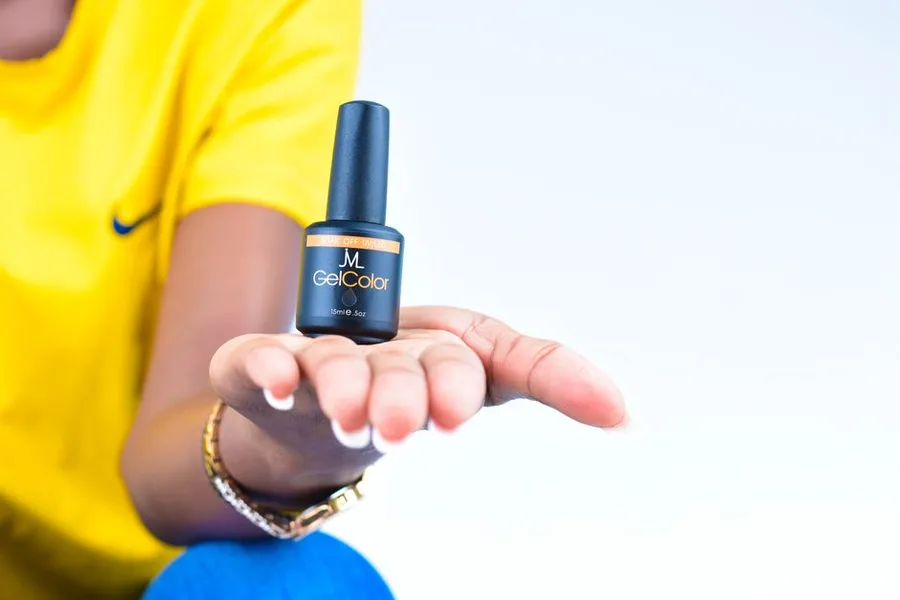
3D Nail Gel: How to Use It for Stunning Raised Designs
3D nail gel is a thick, viscous gel used in nail art to create raised, three-dimensional designs on nails. It is typically cured under a UV
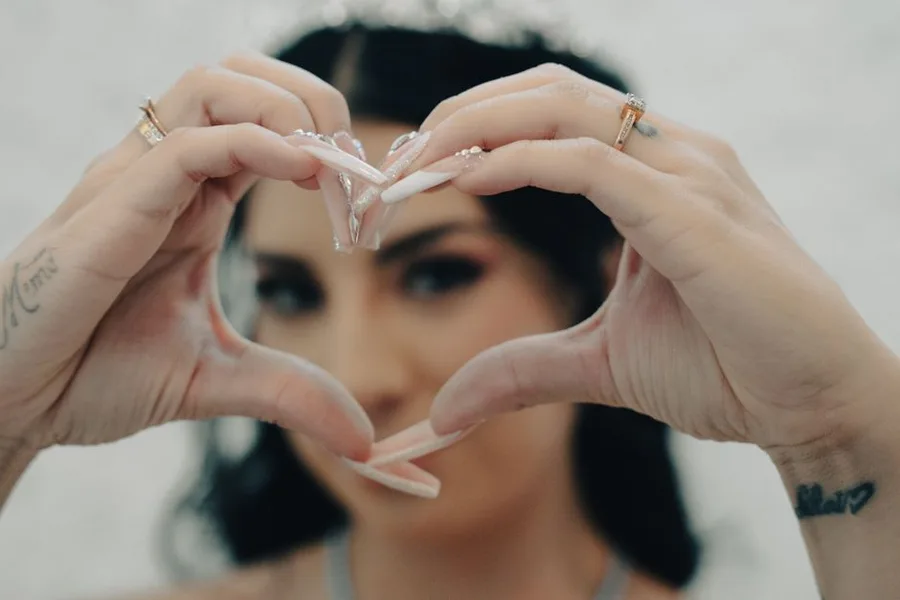
Almond Nails: The Shape That Makes Fingers Look Longer
Almond nails are a nail shape that tapers to a rounded point, resembling an almond. They are known for their feminine and elongating effect
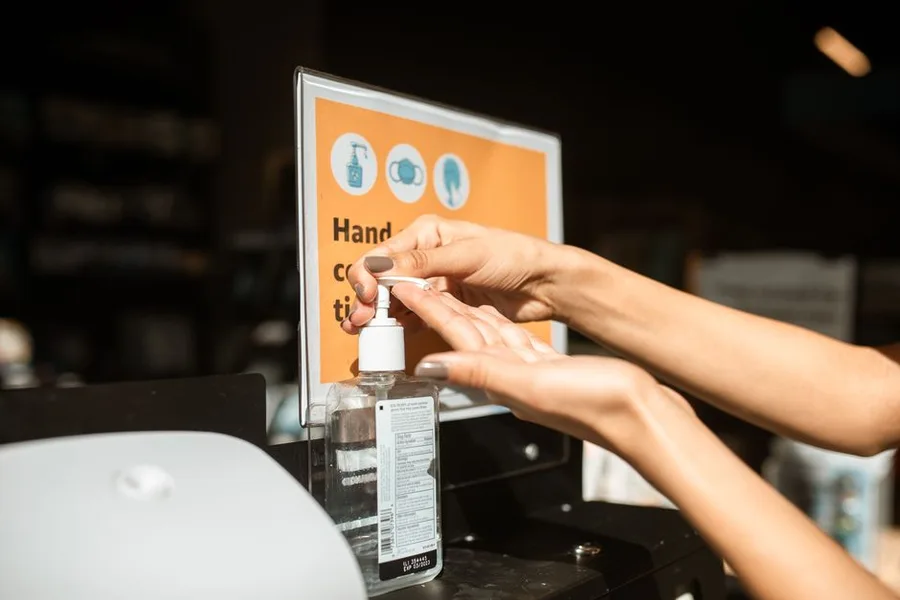
Why Antibacterial Soap Isn't the Germ Killer You Think
Antibacterial soap is a cleansing product containing active ingredients like triclosan or benzalkonium chloride that kill or inhibit bacteri