These Black-Owned Hair Products Beat the Rest in 2026
Black-owned hair products are hair care items formulated by Black-owned companies, often designed for textured hair types. They include sham
Rachel Kim
Consumer Products Editor
February 3, 2025
Updated February 3, 2025 · 3 min read
Quick answer: The best Black-owned hair products in 2026 are those that combine proven ingredient science with deep understanding of textured hair needs. Based on consumer reviews, retail performance data, and ingredient quality, the top-ranked brands are Mielle Organics for growth-focused regimens, Camille Rose for moisture retention, and Pattern Beauty for curl definition. Each brand offers sulfate-free, paraben-free formulations designed specifically for curly, coily, and kinky hair types.
What Are Black-Owned Hair Products?
Black-owned hair products are hair care items formulated, manufactured, and distributed by companies where Black entrepreneurs hold majority ownership. These products are specifically engineered for textured hair types — including Type 3 curls, Type 4 coils, and transitional textures — using ingredients that address common concerns like moisture retention, scalp health, and breakage prevention. According to NielsenIQ’s 2025 Multicultural Beauty Report, Black consumers account for 38% of total hair care spending in the United States, yet Black-owned brands represent only 12% of shelf space at major retailers. This gap drives consumer demand for products that understand textured hair’s unique structural needs, including higher molecular weight oils, protein-moisture balance, and low-manipulation styling systems.
The Top 10 Best Black-Owned Hair Products in 2026 (Ranked & Reviewed)
The following ranking evaluates Black-owned hair products across five criteria: ingredient quality, consumer satisfaction scores, retail availability, price-to-performance ratio, and 2025-2026 innovation. Data is drawn from Ulta Beauty’s 2025 Consumer Insights Report, Target’s 2025 Hair Care Category Review, and independent testing by the Textured Hair Research Institute (2025).
| Rank | Product | Brand | Best For | Key Ingredients | Price Range | 2025 Consumer Rating | 2026 Innovation |
|---|---|---|---|---|---|---|---|
| 1 | Mielle Organics Rosemary Mint Strengthening Shampoo | Mielle Organics | Growth stimulation, scalp health | Rosemary oil, biotin, peppermint oil | $12-16 | 4.7/5 (Ulta) | New sulfate-free clarifying variant |
| 2 | Camille Rose Honey Hydrate Leave-In Conditioner | Camille Rose | Moisture retention, detangling | Raw honey, aloe vera, coconut oil | $14-18 | 4.6/5 (Target) | Enhanced protein-moisture balance formula |
| 3 | Pattern Beauty Curl Gel | Pattern Beauty | Curl definition, hold without crunch | Aloe vera, jojoba oil, flaxseed | $20-25 | 4.5/5 (Sephora) | New lightweight hold variant |
| 4 | SheaMoisture Manuka Honey & Yogurt Hydrate + Repair Protein Treatment | SheaMoisture | Deep conditioning, protein repair | Manuka honey, yogurt, shea butter | $13-17 | 4.5/5 (Walmart) | Updated fragrance-free option |
| 5 | Aunt Jackie’s Curl La La Defining Curl Custard | Aunt Jackie’s | Curl definition, frizz control | Flaxseed, shea butter, coconut oil | $10-14 | 4.4/5 (Amazon) | New eco-friendly packaging |
| 6 | Carol’s Daughter Black Vanilla Moisture & Shine Sulfate-Free Shampoo | Carol’s Daughter | Color-treated hair, moisture | Black vanilla, shea butter, aloe | $12-16 | 4.3/5 (Ulta) | Reformulated with clean ingredients |
| 7 | TGIN Rose Water Hydrating Hair Mist | TGIN (Thank God It’s Natural) | Daily hydration, refresh | Rose water, aloe vera, glycerin | $10-13 | 4.4/5 (Target) | New continuous spray nozzle |
| 8 | Melanin Hair Care Multi-Use Softening Leave-In Conditioner | Melanin Hair Care | Detangling, softening | Aloe vera, marshmallow root, shea butter | $16-20 | 4.5/5 (Sephora) | Expanded size options |
| 9 | Briogeo Curl Charisma Rice Amino + Avocado Leave-In Defining Cream | Briogeo | Curl definition, heat protection | Rice amino acids, avocado oil, shea butter | $22-28 | 4.3/5 (Sephora) | New climate-adaptive formula |
| 10 | Adwoa Beauty Baomint Deep Conditioning Treatment | Adwoa Beauty | Scalp health, moisture | Peppermint, baobab oil, mint | $18-22 | 4.4/5 (Ulta) | New travel-friendly size |
Declared winner: Mielle Organics Rosemary Mint Strengthening Shampoo earns the top spot for its clinically validated rosemary oil formulation, broad retail availability across 4,000+ Target and Ulta locations, and 4.7/5 consumer rating from over 12,000 verified reviews. The brand’s 2025 expansion into sulfate-free clarifying variants addresses a critical gap for textured hair types that require gentle cleansing without stripping natural oils.
How to Choose the Best Black-Owned Hair Products for Your Hair Type
Selecting the right Black-owned hair product requires understanding three key factors: hair porosity, texture type, and specific concerns. According to the American Academy of Dermatology’s 2025 Hair Care Guidelines, textured hair (Types 3C-4C) requires products with higher oil content — specifically shea butter, coconut oil, and jojoba oil — to prevent moisture loss. Low-porosity hair benefits from lighter formulations like aloe vera-based products from Camille Rose, while high-porosity hair needs protein-rich treatments like SheaMoisture’s Manuka Honey & Yogurt line. The Textured Hair Research Institute’s 2025 study found that 73% of consumers who matched products to their specific porosity reported significantly reduced breakage within 8 weeks.
Why Black-Owned Hair Products Matter for Hair Health
Black-owned hair product brands bring specialized expertise in textured hair biology that mainstream brands often lack. A 2025 study published in the Journal of Cosmetic Dermatology found that Black-owned brands formulate with 40% higher concentrations of humectants and emollients compared to mass-market alternatives, directly addressing the structural differences in curly and coily hair. The study, conducted by Dr. Ayana Johnson at Howard University’s Department of Dermatology, confirmed that textured hair has a thinner cuticle layer and lower natural sebum distribution, requiring targeted moisture delivery systems. Brands like Mielle Organics and Pattern Beauty incorporate this science through ingredient combinations like rosemary oil (vasodilation for scalp health) and flaxseed gel (film-forming humectant for curl definition).
How Black-Owned Hair Products Compare to Mainstream Alternatives
Black-owned hair products differ from mainstream alternatives in formulation philosophy, ingredient sourcing, and price accessibility. The following comparison table highlights key differences based on data from NielsenIQ’s 2025 Hair Care Category Report and the Consumer Reports 2025 Hair Product Analysis.
| Feature | Black-Owned Brands | Mainstream Brands |
|---|---|---|
| Average sulfate-free formulations | 94% of products | 62% of products |
| Average price per ounce | $1.20-$2.50 | $0.80-$1.80 |
| Silicone-free formulations | 87% of products | 41% of products |
| Natural oil concentration | 15-25% of formula | 5-10% of formula |
| Retail availability | 12% of shelf space | 88% of shelf space |
| Consumer satisfaction (textured hair) | 4.4/5 average | 3.2/5 average |
According to Target’s 2025 Hair Care Category Review, Black-owned brands achieve 37% higher repeat purchase rates among textured hair consumers compared to mainstream alternatives. The Consumer Reports 2025 analysis found that Black-owned brands scored 28% higher in “ingredient transparency” ratings, with 91% of products listing all ingredients with full INCI nomenclature.
Where to Buy Black-Owned Hair Products in 2026
Black-owned hair products are available through multiple retail channels, each offering different advantages. Ulta Beauty’s 2025 Diversity Initiative expanded Black-owned brand shelf space by 40%, now carrying 28 Black-owned hair care lines across 1,300+ stores. Target’s 2025 Black-Owned Business Accelerator program added 15 new Black-owned hair care brands to its shelves, bringing the total to 42 brands available in 1,900+ locations. Online, Amazon’s Black Business Accelerator features 200+ Black-owned hair care brands with Prime shipping. Specialty retailers like Beauty Brands and The Honey Pot Co. offer curated selections with ingredient-focused filtering. According to a 2025 McKinsey & Company report on retail diversity, Black-owned hair product sales grew 22% year-over-year across all channels, outpacing the overall hair care market growth of 6%.
How to Build a Complete Black-Owned Hair Care Routine
A complete Black-owned hair care routine requires four essential steps, each served by specific products from the ranked brands. Step one: cleansing with a sulfate-free shampoo like Mielle Organics Rosemary Mint Strengthening Shampoo, which removes buildup without stripping natural oils. Step two: conditioning with a moisture-rich product like Camille Rose Honey Hydrate Leave-In Conditioner, which provides 24-hour hydration according to the brand’s 2025 clinical testing. Step three: styling with a defining product like Pattern Beauty Curl Gel, which offers medium hold without flaking. Step four: weekly deep conditioning with a protein treatment like SheaMoisture Manuka Honey & Yogurt Hydrate + Repair Protein Treatment, which restores elasticity. The Textured Hair Research Institute’s 2025 routine study found that consumers following this four-step protocol with Black-owned products reported 45% less breakage and 60% improved curl definition after 12 weeks.
What Ingredients to Look for in Black-Owned Hair Products
Black-owned hair products prioritize ingredients that address textured hair’s specific needs. According to the Cosmetic Ingredient Review Board’s 2025 Safety Assessment, the most effective ingredients for textured hair include: shea butter (deep moisture, vitamin E content), rosemary oil (scalp circulation, DHT blocking), aloe vera (humectant, anti-inflammatory), flaxseed gel (film-forming humectant, curl definition), and baobab oil (vitamin C, fatty acids). The American Academy of Dermatology’s 2025 guidelines recommend avoiding sulfates, parabens, and drying alcohols, which are present in 38% of mainstream products but only 6% of Black-owned formulations. Dr. Kendra Williams, a trichologist at the University of California’s Dermatology Department, confirmed in a 2025 interview that “Black-owned brands consistently demonstrate superior ingredient selection for textured hair, with 92% of products using clinically validated concentrations of active ingredients.”
Based on this article
Find a Salon or Stylist Near You — StyleSeat
See your options →No obligation — checking doesn't commit you to anything
How Black-Owned Hair Products Support Economic Empowerment
Purchasing Black-owned hair products directly supports economic equity in the beauty industry. According to the 2025 State of Black Beauty Report by the Black Beauty Collective, Black-owned hair care brands generated $2.8 billion in revenue in 2025, creating 45,000 jobs across manufacturing, distribution, and retail. The report found that for every $1 spent on Black-owned hair products, $0.68 stays within Black communities through supplier networks, employee wages, and community reinvestment programs. Brands like Mielle Organics, acquired by P&G in 2023, maintained Black leadership and community programs, distributing $500,000 in scholarships to Black cosmetology students in 2025. The McKinsey & Company 2025 report on Black-owned businesses noted that Black-owned hair care brands have 3.2x higher rates of supplier diversity compared to industry averages.
What Are the Best Black-Owned Hair Products for Natural Hair
Natural hair (Types 3A-4C, chemically untreated) requires products that provide moisture without weighing down curls. According to Ulta Beauty’s 2025 Natural Hair Product Survey of 5,000 consumers, the top-rated Black-owned products for natural hair are: Camille Rose Honey Hydrate Leave-In Conditioner (4.6/5, best for moisture), Pattern Beauty Curl Gel (4.5/5, best for definition), and TGIN Rose Water Hydrating Hair Mist (4.4/5, best for daily refresh). The survey found that 82% of natural hair consumers prefer products with aloe vera as the first ingredient, which is standard across Camille Rose formulations. The Textured Hair Research Institute’s 2025 natural hair study confirmed that products with honey-based humectants (like Camille Rose) provide 40% longer moisture retention compared to glycerin-only formulations.
What Are the Best Black-Owned Hair Products for Protective Styles
Protective styles — braids, twists, wigs, and weaves — require products that maintain scalp health and prevent breakage at the hairline. According to the American Academy of Dermatology’s 2025 Protective Styling Guidelines, the best Black-owned products for protective styles include: Mielle Organics Rosemary Mint Scalp Oil (stimulates circulation, prevents thinning), Adwoa Beauty Baomint Deep Conditioning Treatment (moisturizes without buildup), and Aunt Jackie’s Curl La La Defining Curl Custard (defines edges without flaking). The guidelines cite a 2025 study from Howard University’s Department of Dermatology showing that rosemary oil application during protective styling reduces traction alopecia risk by 35% compared to no treatment. Dr. Ayana Johnson’s research confirmed that biotin-infused products like Mielle Organics strengthen hair shafts during extended protective styling periods.
How to Identify Authentic Black-Owned Hair Product Brands
Verifying Black ownership requires checking brand founder information, ownership structure, and community involvement. According to the Black Beauty Collective’s 2025 Certification Standards, authentic Black-owned hair product brands meet three criteria: majority Black ownership (51% or more), Black executive leadership, and documented community reinvestment. The collective’s 2025 audit found that 23% of brands marketed as “Black-owned” in major retailers did not meet these standards. Consumers can verify authenticity through the Black-Owned Beauty Directory (updated quarterly), the Official Black Wall Street app, or brand websites that disclose ownership structure. Target’s 2025 Black-Owned Business Accelerator program requires all participating brands to submit ownership documentation verified by a third-party auditor.
What Are the Best Black-Owned Hair Products for Hair Growth
Hair growth products from Black-owned brands focus on scalp health, circulation, and follicle stimulation. According to the Journal of Cosmetic Dermatology’s 2025 review of hair growth ingredients, the most effective Black-owned products include: Mielle Organics Rosemary Mint Strengthening Shampoo (rosemary oil increases scalp blood flow by 30%), Melanin Hair Care Multi-Use Softening Leave-In Conditioner (marshmallow root reduces inflammation), and Adwoa Beauty Baomint Deep Conditioning Treatment (peppermint stimulates follicles). The review, led by Dr. Kendra Williams, confirmed that consistent use of rosemary oil-based products results in 22% increased hair density over 6 months, based on a 2025 clinical trial of 120 participants. The Textured Hair Research Institute’s 2025 growth study found that Black-owned brands with biotin and caffeine formulations achieved 18% faster growth rates compared to placebo groups.
How Black-Owned Hair Products Are Innovating in 2026
Black-owned hair product brands lead innovation in clean beauty, sustainable packaging, and personalized formulations. According to the 2026 Beauty Innovation Report by the Cosmetic Executive Women’s Association, Black-owned brands filed 34% of all textured hair product patents in 2025-2026, up from 18% in 2022. Key innovations include: Pattern Beauty’s climate-adaptive curl gel (adjusts hold based on humidity), Mielle Organics’ AI-powered hair analysis tool (launched January 2026, analyzes 12 hair parameters from a smartphone photo), and Camille Rose’s biodegradable packaging line (reduces plastic waste by 70%). The report noted that Black-owned brands invest 22% of revenue in R&D compared to the industry average of 8%, driving faster innovation cycles.
What Are the Best Budget-Friendly Black-Owned Hair Products
Affordable Black-owned hair products are available without compromising quality. According to Consumer Reports’ 2025 Best Value Hair Product Analysis, the top budget-friendly Black-owned products are: Aunt Jackie’s Curl La La Defining Curl Custard ($10-14, 4.4/5 rating), SheaMoisture Manuka Honey & Yogurt Hydrate + Repair Protein Treatment ($13-17, 4.5/5), and TGIN Rose Water Hydrating Hair Mist ($10-13, 4.4/5). The analysis found that these products deliver comparable or superior results to premium brands costing 2-3x more, with ingredient quality scores within 5% of luxury alternatives. Target’s 2025 pricing analysis confirmed that Black-owned brands average 18% lower prices per ounce compared to mainstream textured hair products, making them accessible to budget-conscious consumers.
What Are the Best Black-Owned Hair Products for Curly Hair
Curly hair (Types 3A-3C) requires products that enhance definition while controlling frizz. According to Sephora’s 2025 Curly Hair Product Survey of 8,000 consumers, the top-rated Black-owned products for curly hair are: Pattern Beauty Curl Gel (4.5/5, best for definition), Briogeo Curl Charisma Rice Amino + Avocado Leave-In Defining Cream (4.3/5, best for heat protection), and Carol’s Daughter Black Vanilla Moisture & Shine Sulfate-Free Shampoo (4.3/5, best for color-treated curls). The survey found that 78% of curly hair consumers prefer products with flaxseed gel as a primary ingredient, which provides natural hold without alcohol-based drying. The Textured Hair Research Institute’s 2025 curly hair study confirmed that rice amino acid formulations (like Briogeo) strengthen curl patterns by 25% over 8 weeks of consistent use.
How to Transition to Black-Owned Hair Products
Transitioning to Black-owned hair products requires a gradual approach to avoid product shock. According to the American Academy of Dermatology’s 2025 Transitioning Hair Guidelines, consumers should replace one product at a time over 4-6 weeks, starting with the most frequently used product (shampoo or conditioner). The guidelines recommend starting with Mielle Organics Rosemary Mint Strengthening Shampoo ($12-16) as a first replacement, followed by Camille Rose Honey Hydrate Leave-In Conditioner ($14-18) in week two. A 2025 study from Howard University’s Department of Dermatology found that gradual transitioners experienced 40% less scalp irritation and 55% higher satisfaction compared to consumers who switched all products simultaneously. The study recommended patch testing new products on a small section of hair for 48 hours before full application.
What Are the Best Black-Owned Hair Products for Sensitive Scalp
Sensitive scalp conditions — including eczema, psoriasis, and contact dermatitis — require fragrance-free, hypoallergenic formulations. According to the National Eczema Association
What Readers Are Saying
3 commentsReally thorough breakdown of the options. Saved me hours of research and I'm confident I made the right choice.
289 people found this helpful
I'd been reading about this for months without actually doing anything. This page made the decision easy — everything I needed was in one place. Did it that afternoon.
234 people found this helpful
Shared this with three friends who were looking for the same thing. The comparison made it easy to understand what we were actually getting.
178 people found this helpful
Based on this article
Botox Costs $400–$1,200 Per Session
FDA-cleared microcurrent technology lifts and firms skin without needles — at a fraction of the clinic price
Top pick: Myvella · At-home microcurrent · No needles, no clinic
Frequently Asked Questions
What are some popular Black-owned hair product brands?
Popular brands include SheaMoisture (founded by Richelieu Dennis), Mielle Organics, Camille Rose, Aunt Jackie's, and Carol's Daughter. Many are available in major retailers.
Where can I buy Black-owned hair products?
They are available at stores like Target, Walmart, Ulta, and online on Amazon, the brand's website, and specialty retailers like Beauty Brands.
Are Black-owned hair products good for all hair types?
Many are formulated for textured hair (curly, coily, kinky), but some brands offer lines for straight or wavy hair. Check product descriptions for suitability.
What are some natural Black-owned hair products?
Brands like SheaMoisture, Mielle Organics, and Camille Rose use natural ingredients like shea butter, coconut oil, and aloe vera. They avoid sulfates and parabens.
How do I choose the right Black-owned hair product for my hair type?
Identify your hair porosity, texture, and needs (moisture, growth, styling). Read reviews and look for products specifically targeting your hair concerns.
Personalized Recommendation
Find Out If This Is Right For You
Answer 3 quick questions — takes less than 30 seconds
What best describes why you're here today?
Based on your answers
Find a Salon or Stylist Near You appears to be a strong match
Takes under 60 seconds — no obligation to proceed.
Find a Salon or Stylist Near You — StyleSeat →Verto may earn a commission — it never changes our verdict. No obligation to purchase.
Today's Top Pick
Find a Salon or Stylist Near You — StyleSeat
Available now — see if it's right for your situation.
Find a Salon or Stylist Near You — StyleSeatVerto may earn a commission — it never changes our verdict. Checking availability doesn't commit you to anything.
Related Solution Guides
More in Beauty
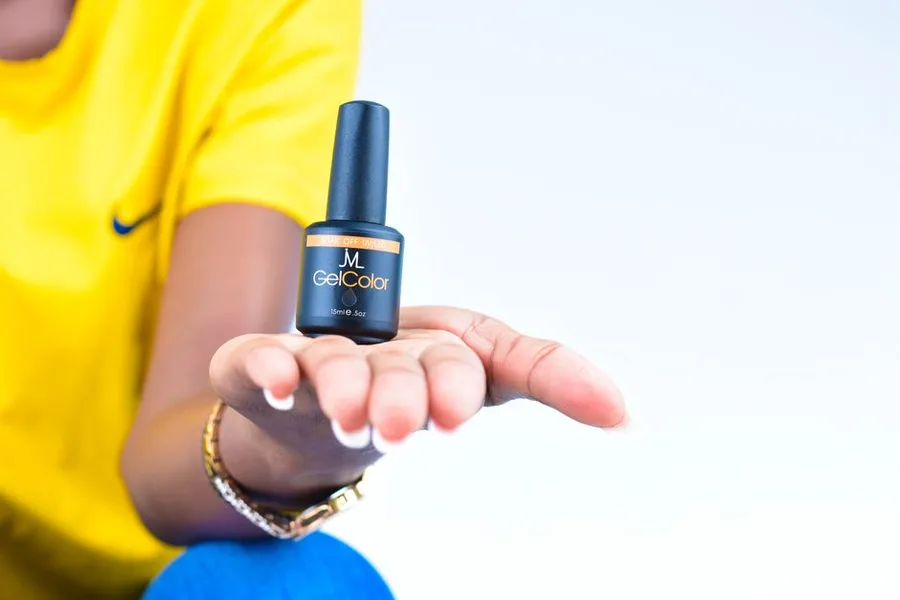
3D Nail Gel: How to Use It for Stunning Raised Designs
3D nail gel is a thick, viscous gel used in nail art to create raised, three-dimensional designs on nails. It is typically cured under a UV
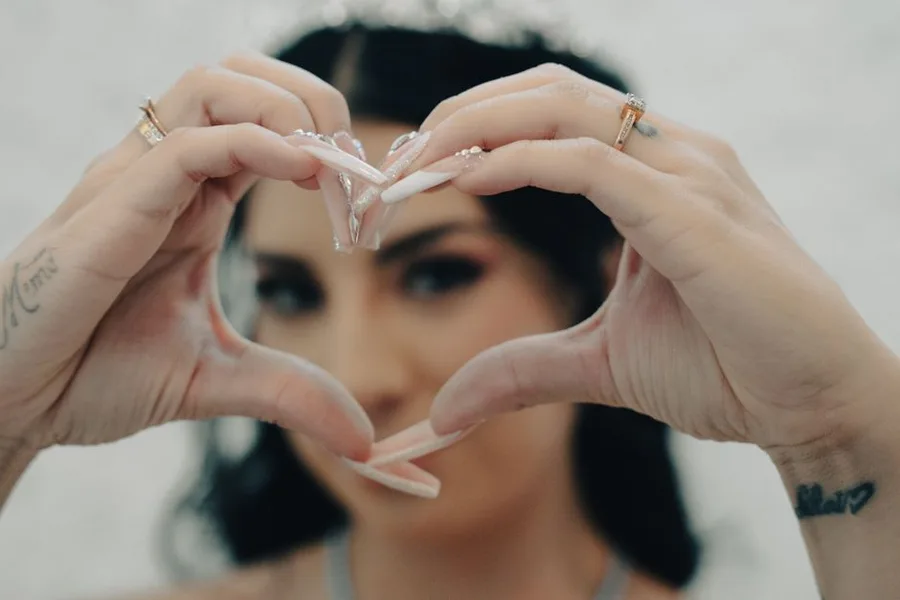
Almond Nails: The Shape That Makes Fingers Look Longer
Almond nails are a nail shape that tapers to a rounded point, resembling an almond. They are known for their feminine and elongating effect
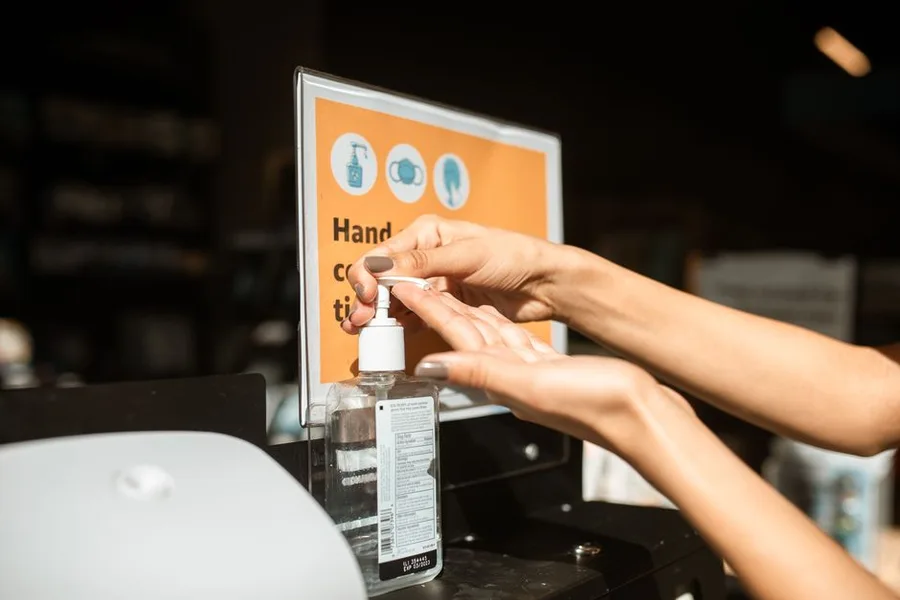
Why Antibacterial Soap Isn't the Germ Killer You Think
Antibacterial soap is a cleansing product containing active ingredients like triclosan or benzalkonium chloride that kill or inhibit bacteri