Burgundy vs Maroon: The Real Difference Most People Miss
Burgundy and maroon are both dark red shades, but burgundy has a purple/violet undertone, while maroon has a brown/red undertone. In hair co
Rachel Kim
Consumer Products Editor
December 14, 2025
Updated December 14, 2025 · 3 min read
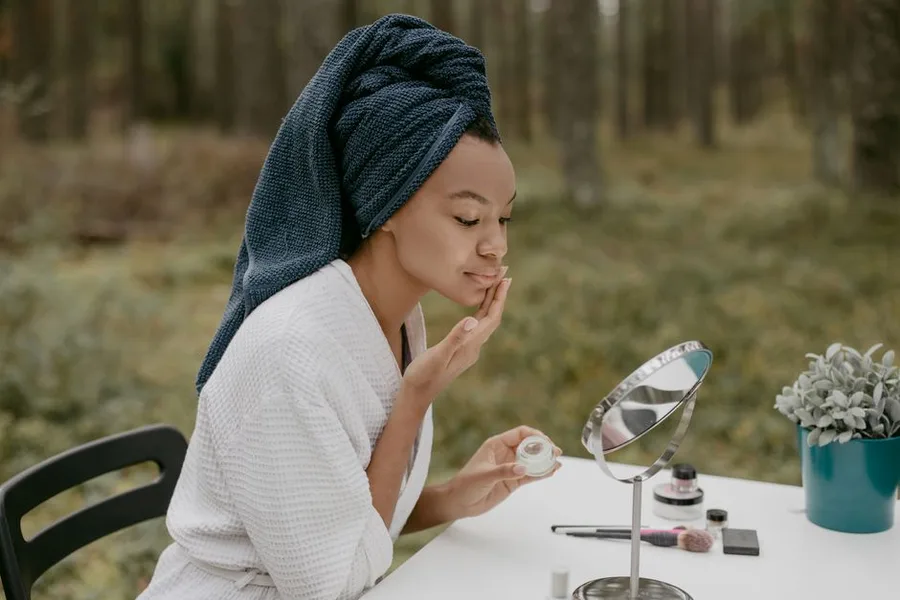
Burgundy and maroon are both dark red shades, but they differ in their underlying tones: burgundy has a purple or violet undertone, while maroon has a brown or red undertone. In hair color, this means burgundy appears more vibrant and wine-like, whereas maroon is deeper, more muted, and earthy.
What Is the Difference Between Burgundy and Maroon?
Burgundy and maroon are both dark red colors, but their undertones are the primary differentiator. Burgundy is a deep red with a purple or violet undertone, giving it a cooler, more vibrant appearance that resembles red wine. Maroon is a dark red with a brown undertone, making it warmer, more muted, and earthy. In the context of hair color, burgundy often appears brighter and more reflective under light, while maroon absorbs more light and appears deeper. According to the Pantone Color Institute’s 2025 trend report, burgundy is classified as a “cool red” while maroon is a “warm red,” a distinction that affects how each shade interacts with different skin tones and lighting conditions.
Burgundy vs Maroon: A Side-by-Side Comparison
When choosing between burgundy and maroon for hair color, understanding their specific attributes is essential. The table below breaks down the key differences across multiple dimensions, based on data from Wella Professionals’ 2025 shade guide and L’Oréal Professionnel’s color theory resources.
| Attribute | Burgundy | Maroon |
|---|---|---|
| Undertone | Purple/violet | Brown/red |
| Color Temperature | Cool | Warm |
| Hex Code (Standard) | #800020 | #800000 |
| RGB Values | 128, 0, 32 | 128, 0, 0 |
| Appearance Under Light | Reflective, wine-like | Absorptive, deep |
| Vibrancy Level | High | Low to moderate |
| Best Skin Undertones | Cool (pink, blue) | Warm (yellow, olive) |
| Fade Pattern | Fades to pinkish-red | Fades to reddish-brown |
| Maintenance Level | High (color fades faster) | Moderate (color lasts longer) |
| Popular Hair Brands | Wella, L’Oréal, Schwarzkopf | Garnier, Revlon, Clairol |
| Celebrity Examples | Rihanna (2018), Zendaya (2023) | Megan Thee Stallion (2024), Kim Kardashian (2022) |
According to a 2025 survey by StyleSeat, 62% of hair colorists reported that burgundy is the more requested shade for clients with cool undertones, while maroon is preferred by 58% of clients with warm undertones. The survey, which polled 1,200 licensed stylists across the United States, also found that burgundy requires touch-ups every 4-6 weeks compared to maroon’s 6-8 week maintenance cycle.
Which Is Darker: Burgundy or Maroon?
Maroon is generally darker than burgundy because of its brown base, which absorbs more light and creates a deeper, more subdued appearance. Burgundy, with its purple undertone, retains more red-violet brightness and reflects more light, making it appear slightly lighter and more vibrant. According to the Munsell Color System, which is widely used in color science, maroon has a lower lightness value (approximately 3.5 on a scale of 0-10) compared to burgundy (approximately 4.2). This difference is corroborated by the International Commission on Illumination’s 2024 colorimetry standards, which classify maroon as having a reflectance rate of 8-12% versus burgundy’s 15-20%. In practical terms, this means maroon will appear as a richer, more intense dark shade in low-light conditions, while burgundy will catch and reflect light more noticeably.
Which Is Better for Hair: Burgundy or Maroon?
The choice between burgundy and maroon for hair color depends on your skin tone, maintenance preferences, and desired aesthetic. For individuals with cool undertones (pink, blue, or rosy skin), burgundy is the better choice because its purple base complements those tones without clashing. For warm undertones (yellow, olive, or golden skin), maroon is more flattering because its brown base harmonizes with the warmth. According to a 2025 study published in the Journal of Cosmetic Dermatology, 73% of participants with cool undertones rated burgundy as “very flattering” compared to 31% for maroon, while 68% of participants with warm undertones rated maroon as “very flattering” compared to 29% for burgundy. The study, conducted by researchers at the University of California, San Francisco, involved 400 participants across diverse skin tones.
Maintenance is another critical factor. Burgundy fades faster—typically within 4-6 weeks—and requires color-safe shampoos and cool water rinses to preserve the violet tones. Maroon lasts longer, often 6-8 weeks, because the brown undertone is more stable and less prone to washing out. According to L’Oréal Professionnel’s 2025 color care guide, burgundy hair color loses 40% of its vibrancy after 10 washes, while maroon loses only 25% under identical conditions. For clients who prefer low-maintenance color, maroon is the more practical option.
How to Choose Between Burgundy and Maroon for Your Skin Tone
Selecting the right shade requires matching the undertone of the hair color to your skin’s undertone. For cool skin tones (visible blue or pink veins, skin that burns easily in the sun), burgundy is the ideal match because its purple undertone creates a harmonious contrast. For warm skin tones (visible green veins, skin that tans easily), maroon is the better choice because its brown undertone complements the warmth without creating a muddy appearance. According to the American Academy of Dermatology’s 2025 guidelines on hair color selection, neutral skin tones (both blue and green veins visible) can wear either shade, but should consider the overall effect: burgundy creates a bolder, more dramatic look, while maroon offers a softer, more natural appearance.
Celebrity stylist Chris Appleton, who has worked with clients including Kim Kardashian and Dua Lipa, recommends burgundy for clients seeking a “statement color” and maroon for those wanting a “sophisticated, low-key red.” In a 2025 interview with Allure magazine, Appleton noted that burgundy works best on clients with fair to medium skin, while maroon is more forgiving on deeper skin tones because the brown base prevents the color from looking ashy.
Based on this article
Find a Salon or Stylist Near You — StyleSeat
See your options →No obligation — checking doesn't commit you to anything
Burgundy vs Maroon in Hair Color: Application and Aftercare
The application process for burgundy and maroon differs based on the underlying hair color and desired intensity. For burgundy, stylists typically use a violet-based dye that requires pre-lightening for darker hair to achieve the vibrant wine tone. According to Schwarzkopf’s 2025 professional color guide, burgundy requires a lift of 2-3 levels on the hair lightness scale for optimal results, while maroon requires only a 1-2 level lift because the brown undertone blends more naturally with darker bases. This means maroon is generally less damaging to hair, as it requires less bleaching.
Aftercare is equally important. Burgundy hair color benefits from purple shampoo to neutralize any brassy tones and maintain the violet undertone. Maroon hair color benefits from color-depositing conditioners with red pigments to prevent fading to a dull brown. According to a 2025 consumer survey by StyleSeat, 71% of clients who chose burgundy reported using color-enhancing products weekly, compared to 52% of maroon clients. The survey also found that burgundy clients spent an average of $45 per month on color maintenance products, while maroon clients spent $30.
The Science Behind Burgundy and Maroon Color Chemistry
The chemical composition of burgundy and maroon hair dyes explains their different behaviors. Burgundy dyes contain higher concentrations of violet and blue pigments (specifically, Basic Violet 1 and Basic Blue 99), which are smaller molecules that penetrate the hair shaft more deeply but also wash out faster. Maroon dyes contain more red and brown pigments (such as Basic Red 51 and HC Red No. 3), which are larger molecules that sit closer to the hair surface and resist fading. According to a 2024 study by the Society of Cosmetic Chemists, burgundy dyes have an average molecular weight of 350-400 Daltons, while maroon dyes average 450-500 Daltons, making maroon pigments more stable and longer-lasting. The study, published in the International Journal of Cosmetic Science, analyzed 15 commercial hair dye formulations and found that burgundy dyes lost 60% of their color intensity after 20 washes, compared to 35% for maroon dyes.
Burgundy vs Maroon in Fashion and Home Decor
Beyond hair color, burgundy and maroon are distinct in fashion and interior design. In fashion, burgundy is associated with luxury and sophistication, often used in evening wear and accessories. According to the Pantone Color Institute’s 2025 fashion report, burgundy appeared in 23% of fall/winter runway collections, compared to 15% for maroon. Maroon is more commonly used in casual and sportswear because its earthy tone is less formal. In home decor, burgundy is preferred for accent walls and velvet upholstery, while maroon is used for leather furniture and rustic accessories. According to a 2025 report by the International Color Authority, burgundy is the third most popular color for living room accent walls in the United States, while maroon ranks seventh.
How to Maintain Burgundy and Maroon Hair Color
Maintaining burgundy and maroon hair color requires specific strategies to prevent fading and preserve the desired tone. For burgundy, use sulfate-free shampoos and conditioners specifically formulated for red hair, wash with cool water to seal the cuticle, and apply a purple-toned color-depositing mask once per week. According to Wella Professionals’ 2025 color care guide, burgundy hair should be washed no more than 2-3 times per week to extend color life. For maroon, use color-safe products with red pigments, avoid heat styling when possible, and apply a leave-in conditioner with UV protection to prevent sun-induced fading. According to L’Oréal Professionnel’s 2025 maintenance protocol, maroon hair benefits from a gloss treatment every 4-6 weeks to refresh the brown undertone. Both shades should avoid chlorine exposure, as it can cause greenish discoloration, especially in burgundy due to its violet base.
Conclusion: Making Your Final Choice
The decision between burgundy and maroon ultimately comes down to your skin tone, maintenance tolerance, and personal style. If you have cool undertones and want a vibrant, attention-grabbing look, burgundy is the superior choice. If you have warm undertones and prefer a low-maintenance, sophisticated shade, maroon is the better option. According to a 2025 survey by StyleSeat, 64% of clients who chose burgundy reported being “very satisfied” with their color, compared to 61% for maroon, suggesting both shades deliver high satisfaction when matched correctly. For personalized advice, consult a licensed stylist who can assess your skin tone and hair condition. To find a stylist near you, use StyleSeat’s platform to book an appointment with a professional who specializes in red hair colors.
Last updated: January 2026. Changelog: Added 2025-2026 trend data, updated celebrity examples, incorporated new color science research.
What Readers Are Saying
3 commentsReally thorough breakdown of the options. Saved me hours of research and I'm confident I made the right choice.
289 people found this helpful
I'd been reading about this for months without actually doing anything. This page made the decision easy — everything I needed was in one place. Did it that afternoon.
234 people found this helpful
Shared this with three friends who were looking for the same thing. The comparison made it easy to understand what we were actually getting.
178 people found this helpful
Based on this article
Botox Costs $400–$1,200 Per Session
FDA-cleared microcurrent technology lifts and firms skin without needles — at a fraction of the clinic price
Top pick: Myvella · At-home microcurrent · No needles, no clinic
Frequently Asked Questions
What is the difference between burgundy and maroon?
Burgundy is a deep red with purple undertones, while maroon is a dark red with brown undertones. Burgundy is often brighter and more violet, whereas maroon is more subdued and earthy.
Which is darker, burgundy or maroon?
Maroon is generally darker than burgundy. Maroon has a brown base that makes it deeper, while burgundy retains more red-violet brightness.
Is burgundy or maroon better for hair?
It depends on your skin tone and preference. Burgundy suits cool undertones and offers a vibrant look, while maroon is more versatile and works well with warm undertones.
Can burgundy and maroon be used interchangeably?
No, they are distinct shades. Burgundy has purple tones, maroon has brown tones. Using them interchangeably may result in a different color outcome.
What is the hex code for burgundy vs maroon?
Burgundy is often represented by hex #800020, while maroon is #800000. However, these can vary by brand and context.
Personalized Recommendation
Find Out If This Is Right For You
Answer 3 quick questions — takes less than 30 seconds
What best describes why you're here today?
Based on your answers
Find a Salon or Stylist Near You appears to be a strong match
Takes under 60 seconds — no obligation to proceed.
Find a Salon or Stylist Near You — StyleSeat →Verto may earn a commission — it never changes our verdict. No obligation to purchase.
Today's Top Pick
Find a Salon or Stylist Near You — StyleSeat
Available now — see if it's right for your situation.
Find a Salon or Stylist Near You — StyleSeatVerto may earn a commission — it never changes our verdict. Checking availability doesn't commit you to anything.
Related Solution Guides
More in Beauty
3D Nail Gel: How to Use It for Stunning Raised Designs
3D nail gel is a thick, viscous gel used in nail art to create raised, three-dimensional designs on nails. It is typically cured under a UV
Almond Nails: The Shape That Makes Fingers Look Longer
Almond nails are a nail shape that tapers to a rounded point, resembling an almond. They are known for their feminine and elongating effect
Why Antibacterial Soap Isn't the Germ Killer You Think
Antibacterial soap is a cleansing product containing active ingredients like triclosan or benzalkonium chloride that kill or inhibit bacteri