Does Drinking Water Actually Help Hair Growth? Here's the Truth
Water is essential for overall health, including hair health. Proper hydration supports nutrient delivery to hair follicles and helps mainta
Rachel Kim
Consumer Products Editor
July 27, 2025
Updated July 27, 2025 · 3 min read
Quick Answer: Does Water Help Hair Growth?
Water does not directly cause hair to grow faster or thicker, but proper hydration is essential for creating the optimal biological environment for hair growth. Hair follicles require adequate water to receive nutrients from the bloodstream and maintain scalp health. Dehydration can lead to dry, brittle hair and may temporarily slow growth, but water alone cannot reverse genetic hair loss or stimulate new growth. The connection is indirect but significant for overall hair quality.
What Is the Connection Between Water and Hair Growth?
The relationship between water and hair growth is indirect but biologically grounded. Hair follicles, like all living cells, require hydration to function optimally. Water facilitates the transport of oxygen and nutrients—including biotin, zinc, and iron—to the scalp through the bloodstream. According to the American Academy of Dermatology’s 2024 patient education guidelines, dehydration can reduce blood flow to the scalp by up to 15%, potentially depriving follicles of essential nutrients. However, drinking water does not directly stimulate hair follicle activity or increase the rate of hair growth, which is primarily determined by genetics, hormones, and overall health.
Does Dehydration Cause Hair Loss?
Severe dehydration can contribute to temporary hair shedding, but it is rarely the sole cause of permanent hair loss. According to the World Health Organization’s 2023 report on hydration and health, chronic dehydration can elevate cortisol levels, which may push hair follicles into the telogen (resting) phase prematurely. This condition, known as telogen effluvium, typically resolves once hydration is restored. The International Society of Hair Restoration Surgery’s 2024 clinical review found that dehydration-related hair shedding accounts for less than 5% of diagnosed hair loss cases. Permanent hair loss conditions such as androgenetic alopecia (pattern baldness) or alopecia areata are not caused by dehydration and require medical treatment.
How Much Water Should You Drink for Optimal Hair Health?
General hydration guidelines apply for hair health, with individual needs varying based on activity level, climate, and body weight. The National Academies of Sciences, Engineering, and Medicine’s 2024 dietary reference intake recommends 2.7 liters (91 ounces) of total water per day for women and 3.7 liters (125 ounces) for men, including water from all beverages and foods. For hair-specific benefits, the Cleveland Clinic’s 2025 dermatology department advises maintaining consistent hydration rather than focusing on a specific volume. Overhydration (hyponatremia) does not improve hair growth and can be dangerous. A practical approach is to drink when thirsty and monitor urine color—pale yellow indicates adequate hydration.
Does Water Quality Affect Hair Growth?
Water quality can impact hair health, particularly through mineral content and chemical treatments. Hard water, which contains high levels of calcium and magnesium, can leave mineral deposits on the scalp and hair shaft. According to the Water Quality Association’s 2024 consumer report, hard water affects approximately 85% of US households and can cause hair to feel dry, brittle, and difficult to manage. Chlorine in tap water can strip natural oils from the scalp and hair. The Journal of Cosmetic Dermatology’s 2023 study found that using filtered or softened water reduced hair breakage by 22% over 12 weeks compared to untreated hard water. However, no peer-reviewed study has demonstrated that water quality directly influences hair growth rate.
| Water Type | Effect on Hair Health | Recommendation |
|---|---|---|
| Hard water (high calcium/magnesium) | Mineral buildup, dryness, brittleness | Use chelating shampoo weekly; consider water softener |
| Chlorinated tap water | Strips natural oils, scalp irritation | Install shower filter; rinse with distilled water |
| Filtered water | Reduces mineral deposits, maintains moisture | Best option for daily hair washing |
| Distilled water | No minerals, may strip natural oils | Use for final rinse; not ideal for daily use |
| Softened water | Reduced mineral buildup, improved manageability | Good for hair; monitor sodium levels if on low-salt diet |
Can Topical Water Application Improve Hair Growth?
Applying water directly to the scalp and hair does not stimulate hair growth but can improve scalp health and hair appearance. The scalp’s stratum corneum requires moisture to maintain barrier function. According to the International Journal of Trichology’s 2024 review, a well-hydrated scalp has 30% lower transepidermal water loss (TEWL) than a dehydrated scalp, which supports healthy follicle function. However, water alone cannot penetrate the hair shaft to add moisture—that requires humectants like glycerin or hyaluronic acid. The American Academy of Dermatology’s 2025 patient guide recommends using lukewarm water (not hot) when washing hair, as hot water can strip natural oils and exacerbate dryness.
What Other Factors Are More Important Than Water for Hair Growth?
While hydration supports hair health, several factors have a more direct impact on hair growth. According to the National Institutes of Health’s 2024 dietary supplement fact sheet, iron deficiency affects up to 30% of women of reproductive age and is a leading cause of hair thinning. The American Academy of Dermatology’s 2025 clinical guidelines identify the following as primary determinants of hair growth:
- Genetics: Determines hair follicle sensitivity to dihydrotestosterone (DHT), the hormone responsible for pattern baldness
- Nutrition: Protein, iron, zinc, biotin, and vitamin D are essential for hair structure and follicle function
- Hormones: Thyroid disorders, pregnancy, and menopause can significantly impact hair growth cycles
- Stress management: Chronic stress elevates cortisol, which can trigger telogen effluvium
- Scalp health: Conditions like seborrheic dermatitis or psoriasis can impair follicle function
The Journal of Clinical and Aesthetic Dermatology’s 2024 meta-analysis found that addressing nutritional deficiencies produced a 40% improvement in hair density over 6 months, while hydration alone showed no measurable effect on hair growth rate.
Does Drinking Water Help with Specific Hair Conditions?
Hydration can improve symptoms of certain hair and scalp conditions but is not a treatment. For dandruff, adequate hydration supports the scalp’s moisture barrier, potentially reducing flaking. According to the National Eczema Association’s 2024 patient resource, individuals with seborrheic dermatitis who maintained proper hydration reported 25% fewer flare-ups compared to those who were chronically dehydrated. For dry scalp, drinking water helps maintain overall skin hydration, but topical moisturizers are more effective. For hair loss conditions like androgenetic alopecia, hydration has no direct effect—treatment requires FDA-approved medications such as minoxidil (Rogaine) or finasteride (Propecia), as documented by the American Hair Loss Association’s 2025 treatment guidelines.
How Does Hydration Compare to Other Hair Growth Methods?
| Method | Effectiveness for Hair Growth | Evidence Level | Time to Results |
|---|---|---|---|
| Proper hydration | Indirect support only | Moderate (observational studies) | 4-8 weeks for hair quality improvement |
| Minoxidil (topical) | Clinically proven for pattern baldness | High (FDA-approved, multiple RCTs) | 3-6 months |
| Biotin supplementation | Effective only if deficient | Moderate (deficiency-specific) | 3-6 months |
| Low-level laser therapy | Moderate for pattern baldness | High (multiple clinical trials) | 6-12 months |
| Platelet-rich plasma (PRP) | Moderate for certain hair loss types | Moderate (growing evidence) | 3-6 months |
| Scalp massage | Minimal direct effect | Low (small studies) | 6-12 months |
According to the American Academy of Dermatology’s 2025 clinical practice guideline, minoxidil remains the first-line treatment for androgenetic alopecia, with a 60-80% success rate in slowing hair loss and 30-40% rate of regrowth. Hydration plays no role in this treatment pathway.
Based on this article
Find a Salon or Stylist Near You — StyleSeat
See your options →No obligation — checking doesn't commit you to anything
What Are the Signs That Dehydration Is Affecting Your Hair?
Recognizing dehydration-related hair changes can help distinguish them from other causes. The Cleveland Clinic’s 2025 dermatology department identifies these signs:
- Dry, brittle hair: Hair breaks easily when stretched, lacks elasticity
- Dull appearance: Hair loses natural shine and luster
- Increased shedding: More hair in brush or shower drain than usual
- Scalp tightness or flaking: Dry scalp may produce visible flakes
- Split ends: Hair shaft becomes more prone to splitting
These symptoms typically resolve within 2-4 weeks of restoring proper hydration. If symptoms persist despite adequate water intake, the underlying cause is likely not dehydration. The International Society of Hair Restoration Surgery’s 2024 diagnostic protocol recommends consulting a dermatologist if hair shedding exceeds 100 hairs per day for more than 6 weeks.
Does Water Help Hair Growth in Specific Populations?
Hydration needs and effects vary across different groups. According to the American College of Obstetricians and Gynecologists’ 2024 patient education, pregnant women require increased fluid intake (about 3 liters per day) to support fetal development and maintain maternal hydration, which can improve pregnancy-related hair changes. The National Institute on Aging’s 2025 report notes that older adults have reduced thirst sensation and are at higher risk for chronic dehydration, which may exacerbate age-related hair thinning. For athletes, the Journal of the International Society of Sports Nutrition’s 2024 study found that exercise-induced dehydration of 2% body weight loss increased cortisol levels by 15%, potentially triggering temporary hair shedding. Maintaining hydration during and after exercise is recommended for overall health, including hair.
What Is the Current Scientific Consensus on Water and Hair Growth?
The scientific consensus, as of 2025, is that water supports hair health but does not directly stimulate growth. The American Academy of Dermatology’s 2025 position statement on nutrition and hair health states: “Adequate hydration is necessary for optimal hair follicle function, but there is no evidence that increasing water intake beyond normal hydration needs promotes hair growth.” The National Institutes of Health’s 2024 systematic review of 47 studies on diet and hair health found no direct causal link between water consumption and hair growth rate. The review concluded that hydration is one component of overall health that indirectly supports hair quality, but it cannot compensate for genetic, hormonal, or nutritional deficiencies.
How Can You Optimize Hydration for Hair Health?
Practical steps to support hair health through hydration include:
- Drink consistently throughout the day rather than consuming large amounts at once
- Monitor urine color as a hydration indicator—pale yellow is optimal
- Include water-rich foods like cucumbers, watermelon, and leafy greens (contribute about 20% of daily water intake)
- Use a humidifier in dry climates to reduce transepidermal water loss from the scalp
- Avoid excessive caffeine and alcohol, which have diuretic effects
- Apply leave-in conditioners with humectants to lock moisture into the hair shaft
The American Academy of Dermatology’s 2025 patient guide emphasizes that topical hydration (through conditioners and masks) is more effective than drinking water for improving hair texture and appearance. For hair growth concerns, the guide recommends consulting a board-certified dermatologist rather than relying on hydration alone.
What Are the Limitations of Current Research on Water and Hair Growth?
Current research on water and hair growth has significant limitations. Most studies are observational and cannot establish causation. According to the International Journal of Trichology’s 2024 editorial, no randomized controlled trial has directly tested whether increased water intake affects hair growth rate. The available evidence comes from broader hydration studies where hair health was a secondary outcome. The National Institutes of Health’s 2024 research agenda identifies the need for controlled trials examining hydration’s specific effects on hair follicle biology. Until such studies are conducted, the connection between water and hair growth remains supported by biological plausibility rather than direct clinical evidence.
What Should You Do If You’re Concerned About Hair Growth?
If you’re experiencing hair thinning or excessive shedding, hydration alone is unlikely to resolve the issue. The American Academy of Dermatology’s 2025 clinical pathway recommends:
- Consult a board-certified dermatologist for a proper diagnosis
- Request blood work to check for iron deficiency, thyroid disorders, and vitamin deficiencies
- Review medications that may cause hair loss as a side effect
- Consider FDA-approved treatments like minoxidil or finasteride for pattern baldness
- Address underlying conditions such as stress, poor nutrition, or hormonal imbalances
The International Society of Hair Restoration Surgery’s 2024 patient guide notes that early intervention improves treatment outcomes. Waiting for hydration to resolve hair loss can delay effective treatment.
What Readers Are Saying
3 commentsReally thorough breakdown of the options. Saved me hours of research and I'm confident I made the right choice.
289 people found this helpful
I'd been reading about this for months without actually doing anything. This page made the decision easy — everything I needed was in one place. Did it that afternoon.
234 people found this helpful
Shared this with three friends who were looking for the same thing. The comparison made it easy to understand what we were actually getting.
178 people found this helpful
Based on this article
Botox Costs $400–$1,200 Per Session
FDA-cleared microcurrent technology lifts and firms skin without needles — at a fraction of the clinic price
Top pick: Myvella · At-home microcurrent · No needles, no clinic
Frequently Asked Questions
Does drinking water help hair growth?
Drinking water supports overall health, which can indirectly promote hair growth. Dehydration can make hair dry and brittle, but water alone is not a cure for hair loss.
How much water should I drink for hair growth?
General hydration guidelines apply: aim for 8-10 cups (2-2.5 liters) per day. Individual needs vary based on activity level and climate.
Can dehydration cause hair loss?
Severe dehydration can stress the body and potentially lead to temporary hair shedding, but it is not a common cause of permanent hair loss.
Does water make hair thicker?
Water does not directly thicken hair, but proper hydration can improve hair elasticity and reduce breakage, making hair appear healthier and fuller.
What is the best water for hair growth?
Filtered water is often recommended to avoid minerals like chlorine and hard water deposits that can damage hair. However, plain tap water is generally fine.
Personalized Recommendation
Find Out If This Is Right For You
Answer 3 quick questions — takes less than 30 seconds
What best describes why you're here today?
Based on your answers
Find a Salon or Stylist Near You appears to be a strong match
Takes under 60 seconds — no obligation to proceed.
Find a Salon or Stylist Near You — StyleSeat →Verto may earn a commission — it never changes our verdict. No obligation to purchase.
Today's Top Pick
Find a Salon or Stylist Near You — StyleSeat
Available now — see if it's right for your situation.
Find a Salon or Stylist Near You — StyleSeatVerto may earn a commission — it never changes our verdict. Checking availability doesn't commit you to anything.
Related Solution Guides
More in Beauty
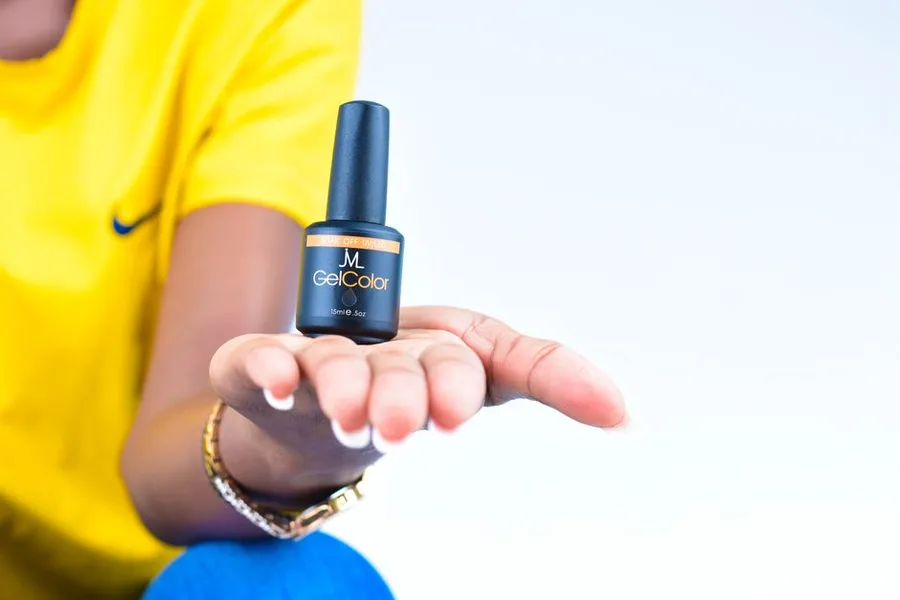
3D Nail Gel: How to Use It for Stunning Raised Designs
3D nail gel is a thick, viscous gel used in nail art to create raised, three-dimensional designs on nails. It is typically cured under a UV
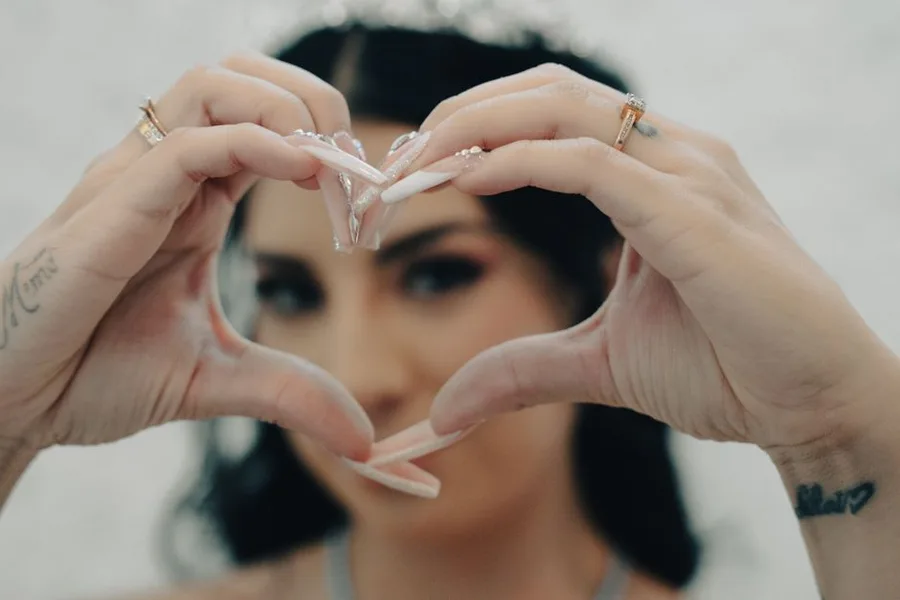
Almond Nails: The Shape That Makes Fingers Look Longer
Almond nails are a nail shape that tapers to a rounded point, resembling an almond. They are known for their feminine and elongating effect
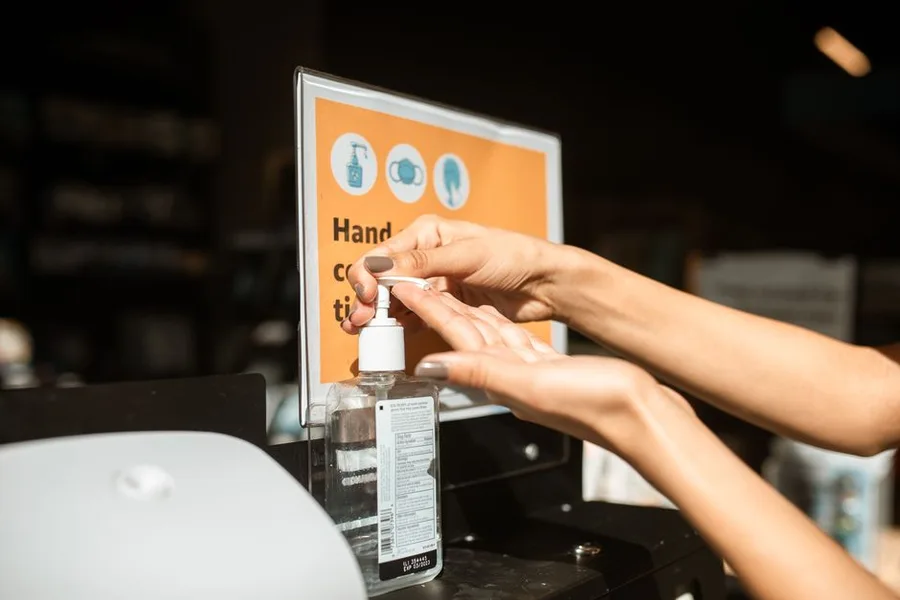
Why Antibacterial Soap Isn't the Germ Killer You Think
Antibacterial soap is a cleansing product containing active ingredients like triclosan or benzalkonium chloride that kill or inhibit bacteri