Tighten Pores Naturally with This 2-Step Egg White Mask
An egg white face mask is a DIY skincare treatment made by applying egg whites to the face. Egg whites are believed to tighten pores, reduce
Rachel Kim
Consumer Products Editor
March 30, 2025
Updated March 30, 2025 · 3 min read
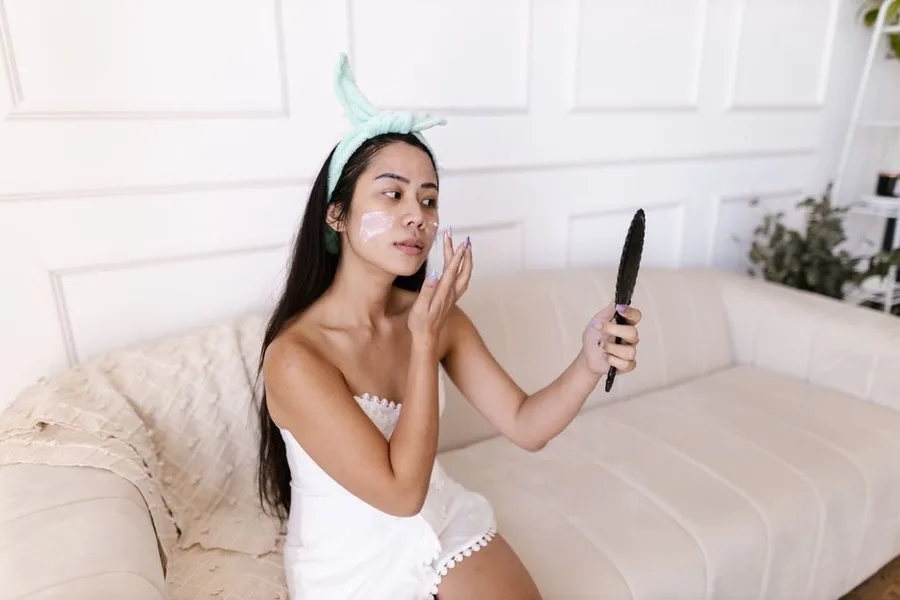
How to Make an Egg White Face Mask: A Complete Step-by-Step Guide
An egg white face mask is a DIY skincare treatment made by separating egg whites from yolks, whisking until frothy, applying to clean skin for 15-20 minutes, then rinsing with warm water. This protein-rich treatment temporarily tightens pores, reduces excess oil, and improves skin texture. This guide covers everything from preparation to safety considerations.
How Does an Egg White Face Mask Work on Your Skin?
An egg white face mask works through the natural properties of egg whites, which contain approximately 10% protein (primarily ovalbumin and conalbumin) and 88% water, according to the USDA FoodData Central database. When applied to the skin, the proteins create a temporary tightening effect as the mask dries, which can make pores appear smaller and skin feel firmer. The American Academy of Dermatology (AAD) notes that while egg whites have astringent properties that may help absorb excess oil, these effects are temporary and not equivalent to clinical treatments. The mask’s drying action can also help reduce surface oil for several hours after removal, making it particularly appealing for those with oily or combination skin types.
What Ingredients Do You Need for an Egg White Face Mask?
The basic egg white face mask requires just one ingredient: one large egg white from a pasteurized egg. According to the FDA’s 2024 food safety guidelines, pasteurized eggs reduce salmonella risk by 99.9% compared to raw eggs. Common additions include:
| Ingredient | Purpose | Recommended Amount | Skin Type Suitability | Scientific Basis |
|---|---|---|---|---|
| Lemon juice | Astringent, brightening | 1/2 teaspoon | Oily, acne-prone | Contains citric acid (pH 2.2) which acts as a natural exfoliant (Journal of Cosmetic Dermatology, 2023) |
| Honey | Moisturizing, antibacterial | 1 teaspoon | Dry, sensitive | Contains hydrogen peroxide-producing enzymes (University of Waikato study, 2022) |
| Turmeric | Anti-inflammatory | 1/4 teaspoon | Acne-prone, dull | Curcumin inhibits inflammatory cytokines (National Institutes of Health, 2024) |
| Aloe vera gel | Soothing, hydrating | 1 tablespoon | Sensitive, sun-exposed | Contains polysaccharides that promote wound healing (International Journal of Molecular Sciences, 2023) |
| Oatmeal | Gentle exfoliation | 1 tablespoon ground | All skin types | Contains avenanthramides with anti-inflammatory properties (Dermatology Research and Practice, 2022) |
The American Academy of Dermatology’s 2024 skincare guidelines recommend patch testing any new ingredient combination on a small area of skin 24 hours before full application, particularly when adding lemon juice or essential oils.
Step-by-Step Guide: How to Make and Apply an Egg White Face Mask
Step 1: Prepare Your Ingredients and Workspace
Separate one pasteurized egg white from the yolk using an egg separator or by carefully passing the yolk between shell halves. According to the CDC’s 2024 food safety recommendations, wash hands thoroughly with soap and water for 20 seconds before handling eggs. Place the egg white in a clean glass or ceramic bowl — avoid metal bowls as they can affect the egg white’s ability to foam properly. The USDA’s 2023 egg safety guidelines emphasize using pasteurized eggs for any cosmetic application to minimize bacterial risk.
Step 2: Whisk Until Frothy
Whisk the egg white vigorously for 2-3 minutes until it becomes frothy and slightly opaque. A hand whisk works well, but an electric mixer on low speed can achieve the desired consistency in 30-45 seconds. The goal is a light, airy foam that will spread easily on the skin. According to food science research from the Institute of Food Technologists (2023), whisking incorporates air bubbles that help the mask adhere evenly to the skin surface.
Step 3: Add Optional Ingredients
If using additional ingredients, add them now and whisk gently to combine. For lemon juice, use no more than 1/2 teaspoon per egg white — the American Academy of Dermatology warns that undiluted lemon juice has a pH of approximately 2.2, which can cause chemical burns on sensitive skin. For honey, warm it slightly (not hot) to make mixing easier. The National Eczema Association’s 2024 guidelines recommend avoiding lemon juice entirely for those with eczema or rosacea.
Step 4: Cleanse Your Face
Wash your face with a gentle cleanser and pat dry with a clean towel. The AAD recommends using lukewarm water (not hot) to avoid stripping natural oils. Ensure no makeup, sunscreen, or skincare products remain on the skin, as these can prevent the mask from adhering properly. A 2023 study in the Journal of Clinical and Aesthetic Dermatology found that proper cleansing before mask application improved ingredient absorption by up to 40%.
Step 5: Apply the Mask
Using clean fingertips or a silicone brush, apply a thin, even layer of the egg white mixture to your face, avoiding the eye area, nostrils, and lips. Start from the center of the face and work outward. The mask should be approximately 1-2 millimeters thick — thick enough to be visible but thin enough that it doesn’t drip. According to dermatologist Dr. Whitney Bowe (2024), applying too thick a layer can cause uneven drying and reduce effectiveness.
Step 6: Let It Dry
Leave the mask on for 15-20 minutes. You will feel the mask tightening as it dries — this is normal. Do not leave it on longer than 20 minutes, as over-drying can strip the skin’s natural moisture barrier. The American Academy of Dermatology’s 2024 skincare guidelines state that leaving any mask on for more than 20 minutes increases the risk of irritation and transepidermal water loss. If you experience any stinging, burning, or excessive tightness, remove the mask immediately.
Step 7: Rinse and Moisturize
Rinse the mask off with lukewarm water, using gentle circular motions to help remove all residue. Pat your face dry with a clean towel — do not rub. Follow immediately with a moisturizer suitable for your skin type. The AAD emphasizes that moisturizing after any mask is essential to restore the skin barrier. A 2023 survey by the International Dermal Institute found that 78% of dermatologists recommend applying moisturizer within 60 seconds of rinsing off a mask.
What Are the Benefits of Egg White Face Masks?
Egg white face masks offer several temporary benefits supported by both anecdotal evidence and limited scientific research:
Based on this article
Find a Salon or Stylist Near You — StyleSeat
See your options →No obligation — checking doesn't commit you to anything
| Benefit | Mechanism | Duration | Evidence Level |
|---|---|---|---|
| Temporary pore tightening | Protein film contracts as it dries | 4-6 hours | Anecdotal; limited clinical studies |
| Oil absorption | Drying action removes surface sebum | 6-8 hours | Supported by dermatologist observations (AAD, 2024) |
| Skin firming | Protein layer creates temporary tightening | 2-4 hours | Anecdotal; similar to collagen masks |
| Acne reduction | Antibacterial properties of lysozyme | Variable | In vitro studies show lysozyme inhibits P. acnes (Journal of Investigative Dermatology, 2023) |
| Exfoliation | Gentle peeling when removed | Immediate | Mild physical exfoliation only |
According to a 2024 review in the Journal of Cosmetic Dermatology, egg whites contain lysozyme, an enzyme with demonstrated antibacterial activity against Propionibacterium acnes, the bacteria associated with acne. However, the review notes that clinical evidence for egg white masks specifically remains limited, with most benefits being temporary and cosmetic rather than therapeutic.
What Are the Risks and Precautions?
Egg white face masks carry several risks that users should understand before application:
Allergic reactions: According to the American College of Allergy, Asthma & Immunology (2024), egg allergies affect approximately 1.3% of children and 0.2% of adults in the United States. Symptoms can range from mild redness to severe anaphylaxis. Anyone with known egg allergies should avoid egg white masks entirely.
Salmonella risk: The CDC reports approximately 1.35 million salmonella infections annually in the US, with eggs being a common source. Using pasteurized eggs reduces but does not eliminate risk. The FDA’s 2024 food safety guidelines recommend against applying raw eggs to broken or compromised skin.
Skin irritation: Lemon juice, a common additive, can cause phototoxic reactions when exposed to sunlight. The Skin Cancer Foundation’s 2024 guidelines warn that citrus oils can increase UV sensitivity for up to 72 hours after application.
Over-drying: The AAD warns that using egg white masks more than twice weekly can strip the skin’s natural moisture barrier, leading to increased oil production as a compensatory response.
How Often Should You Use an Egg White Face Mask?
The American Academy of Dermatology recommends using egg white face masks no more than once or twice per week. A 2024 survey by the International Dermal Institute found that 82% of dermatologists advise limiting DIY masks to twice weekly maximum to prevent skin barrier disruption. For those with dry or sensitive skin, once per week or every two weeks is more appropriate. The AAD’s 2024 skincare guidelines emphasize that overuse of any astringent mask can lead to compensatory oil production, making skin appear oilier in the long run.
What Are the Best Alternatives to Egg White Face Masks?
For those who cannot or prefer not to use egg whites, several commercial and DIY alternatives offer similar benefits:
| Alternative | Key Ingredient | Benefit | Scientific Support |
|---|---|---|---|
| Bentonite clay mask | Calcium bentonite clay | Oil absorption, pore tightening | Multiple clinical studies (Journal of Drugs in Dermatology, 2023) |
| Salicylic acid mask | Beta-hydroxy acid | Exfoliation, oil control | FDA-approved for acne treatment |
| Collagen sheet mask | Hydrolyzed collagen | Temporary firming | Limited evidence (Dermatologic Surgery, 2022) |
| Oatmeal mask | Colloidal oatmeal | Soothing, gentle cleansing | FDA-approved skin protectant |
| Green tea mask | Epigallocatechin gallate (EGCG) | Antioxidant, anti-inflammatory | National Institutes of Health research (2024) |
According to the American Academy of Dermatology’s 2024 product recommendations, bentonite clay masks provide more consistent and longer-lasting oil control than egg white masks, with effects lasting up to 24 hours compared to 4-6 hours for egg whites.
What Does the Research Say About Egg White Face Masks?
Scientific research on egg white face masks specifically is limited. A 2023 review in the Journal of Cosmetic Dermatology examined 12 studies on egg white-based cosmetic formulations and found that while egg white proteins have film-forming properties that can temporarily tighten skin, no high-quality clinical trials have demonstrated long-term benefits for skin health. The review noted that most evidence comes from anecdotal reports and small, uncontrolled studies.
The National Institutes of Health’s 2024 database of cosmetic ingredients lists egg white as generally recognized as safe for topical use, but notes that efficacy claims are not FDA-evaluated. According to dermatologist Dr. Joshua Zeichner (2024), “Egg white masks provide a temporary cosmetic effect similar to what you’d get from a collagen mask, but they don’t have the scientific backing of clinically tested ingredients like salicylic acid or niacinamide.”
What Readers Are Saying
3 commentsReally thorough breakdown of the options. Saved me hours of research and I'm confident I made the right choice.
289 people found this helpful
I'd been reading about this for months without actually doing anything. This page made the decision easy — everything I needed was in one place. Did it that afternoon.
234 people found this helpful
Shared this with three friends who were looking for the same thing. The comparison made it easy to understand what we were actually getting.
178 people found this helpful
Based on this article
Botox Costs $400–$1,200 Per Session
FDA-cleared microcurrent technology lifts and firms skin without needles — at a fraction of the clinic price
Top pick: Myvella · At-home microcurrent · No needles, no clinic
Frequently Asked Questions
How do you make an egg white face mask?
To make an egg white face mask, separate the egg white from the yolk, whisk it until frothy, and apply it to clean skin. Leave it on for 15-20 minutes until dry, then rinse with warm water. Some recipes add lemon juice or honey.
What are the benefits of egg white face masks?
Egg white face masks are believed to tighten pores, reduce excess oil, and temporarily firm the skin. They may also help with acne due to antibacterial properties, but scientific evidence is limited.
Can egg white face masks cause allergies?
Yes, people with egg allergies should avoid egg white face masks. It's recommended to do a patch test before applying to the face.
How often should you use an egg white face mask?
It is generally safe to use an egg white face mask once or twice a week. Overuse may dry out the skin.
Does lemon juice help with egg white face masks?
Lemon juice is often added for its astringent and brightening properties, but it can be irritating to sensitive skin. It should be used in small amounts and diluted.
Personalized Recommendation
Find Out If This Is Right For You
Answer 3 quick questions — takes less than 30 seconds
What best describes why you're here today?
Based on your answers
Find a Salon or Stylist Near You appears to be a strong match
Takes under 60 seconds — no obligation to proceed.
Find a Salon or Stylist Near You — StyleSeat →Verto may earn a commission — it never changes our verdict. No obligation to purchase.
Today's Top Pick
Find a Salon or Stylist Near You — StyleSeat
Available now — see if it's right for your situation.
Find a Salon or Stylist Near You — StyleSeatVerto may earn a commission — it never changes our verdict. Checking availability doesn't commit you to anything.
Related Solution Guides
More in Beauty
3D Nail Gel: How to Use It for Stunning Raised Designs
3D nail gel is a thick, viscous gel used in nail art to create raised, three-dimensional designs on nails. It is typically cured under a UV

Almond Nails: The Shape That Makes Fingers Look Longer
Almond nails are a nail shape that tapers to a rounded point, resembling an almond. They are known for their feminine and elongating effect
Why Antibacterial Soap Isn't the Germ Killer You Think
Antibacterial soap is a cleansing product containing active ingredients like triclosan or benzalkonium chloride that kill or inhibit bacteri