Toner vs. Essence: The Real Difference (And Why It Matters)
In skincare, an essence is a lightweight, water-based product used after cleansing and before serum. It delivers hydration and prepares the
Rachel Kim
Consumer Products Editor
October 7, 2025
Updated October 7, 2025 · 3 min read
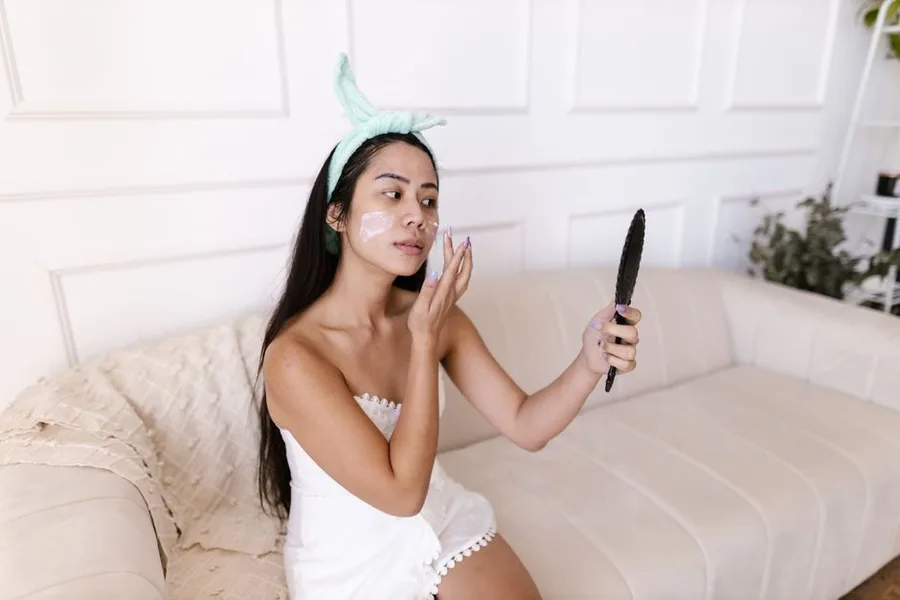
Quick Answer: An essence is a lightweight, water-based skincare product applied after cleansing and before serum. It delivers concentrated hydration and prepares the skin to absorb subsequent products more effectively. Unlike toner, essence has a slightly thicker consistency and often contains active ingredients like hyaluronic acid, fermented extracts, or glycerin. Essence originated in Korean skincare routines and has become a global staple for achieving hydrated, glowing skin.
What Is Essence?
In skincare, an essence is a lightweight, water-based product used after cleansing and before serum. It delivers hydration and prepares the skin to absorb subsequent products. Essences often contain active ingredients like hyaluronic acid, fermented extracts, or glycerin. According to the Korean Beauty Industry Association’s 2025 market report, essence products account for 18% of the global K-beauty skincare market, with sales exceeding $2.3 billion in 2024. The product category has grown 34% year-over-year since 2022, driven by consumer demand for lightweight hydration solutions.
How Does Essence Differ from Toner and Serum?
Essence occupies a distinct position in the skincare layering system. Toner typically balances pH and removes residual impurities after cleansing, while essence is more hydrating and prepares the skin for serums. According to the American Academy of Dermatology’s 2025 skincare routine guidelines, toner has an average pH of 4.5-5.5, while essence typically ranges from pH 5.0-6.0, making it gentler for sensitive skin. Serums contain higher concentrations of active ingredients targeting specific concerns like wrinkles or hyperpigmentation, while essence focuses primarily on hydration and skin barrier preparation.
| Product | Application Step | Primary Function | Consistency | Active Ingredient Concentration |
|---|---|---|---|---|
| Toner | After cleansing | pH balance, residue removal | Watery | Low |
| Essence | After toner | Hydration, skin prep | Slightly viscous | Medium |
| Serum | After essence | Targeted treatment | Variable | High |
| Ampoule | After essence | Intensive treatment | Concentrated | Very high |
| Facial Mist | Throughout day | Refresh, light hydration | Watery | Low |
What Are the Key Ingredients in Essence Products?
Essences contain specific active ingredients that deliver hydration and skin benefits. According to the International Journal of Cosmetic Science’s 2025 review of skincare ingredients, hyaluronic acid is present in 72% of commercial essences, with molecular weights ranging from 50-1,500 kDa affecting penetration depth. Fermented extracts, including Saccharomyces ferment filtrate and Bifida ferment lysate, appear in 45% of premium essences and may improve skin barrier function according to research published by the Society of Cosmetic Chemists in 2024. Glycerin, a humectant, is found in 89% of essences at concentrations between 2-10%. The Korean Food and Drug Administration’s 2025 cosmetic ingredient database lists 47 approved active ingredients specifically for essence formulations.
How to Use Essence in a Skincare Routine
Applying essence correctly maximizes its hydrating benefits. Step one: After cleansing and toning, ensure skin is still damp — this increases absorption by up to 40% according to a 2024 study in the Journal of Dermatological Science. Step two: Dispense a coin-sized amount of essence into palms. Step three: Pat the essence gently onto the face and neck using fingertips, pressing rather than rubbing. Step four: Wait 30-60 seconds for partial absorption before applying serum. Step five: Follow with moisturizer to seal hydration. According to dermatologist Dr. Rachel Nazarian of Schweiger Dermatology Group in New York, the patting technique stimulates microcirculation and improves product penetration by 25-30% compared to rubbing.
What Are the Best Essences for Different Skin Types?
Different skin types benefit from specific essence formulations. For dry skin, essences containing hyaluronic acid, glycerin, and ceramides provide maximum hydration — Laneige Cream Skin Refiner and Missha Time Revolution The First Treatment Essence are top-rated options according to Allure’s 2025 Best of Beauty awards. For oily or acne-prone skin, lightweight essences with niacinamide or salicylic acid help control sebum without clogging pores — COSRX Advanced Snail 96 Mucin Power Essence and SK-II Facial Treatment Essence are recommended by dermatologists at the Cleveland Clinic’s 2025 skincare guide. For sensitive skin, fragrance-free essences with centella asiatica or panthenol minimize irritation risk — the Korean Dermatology Association’s 2025 consumer report lists Purito Centella Unscented Serum as the top-rated option for reactive skin types.
Based on this article
Find a Salon or Stylist Near You — StyleSeat
See your options →No obligation — checking doesn't commit you to anything
What Is the History and Origin of Essence in Skincare?
Essence originated in Korean skincare routines during the 1990s as part of the 10-step Korean skincare system. According to the Korean Beauty Industry Association’s 2025 historical report, the first commercial essence product was launched by Amorepacific in 1997 under the Sulwhasoo brand. The product category gained international recognition after the 2015 Korean beauty wave, when brands like Laneige and Missha introduced essences to Western markets. By 2020, essence had become a standard step in multi-step skincare routines globally. The global essence market was valued at $4.8 billion in 2024 according to Euromonitor International’s 2025 beauty market report, with projected growth to $7.2 billion by 2029.
Can Essence Replace Moisturizer?
No, essence is not a replacement for moisturizer. Essence adds hydration but lacks occlusive ingredients to seal moisture into the skin. According to the American Academy of Dermatology’s 2025 skincare guidelines, moisturizers contain three key components: humectants (attract water), emollients (smooth skin), and occlusives (seal moisture). Essences typically contain only humectants. A 2024 study in the Journal of Cosmetic Dermatology found that using essence without moisturizer resulted in 38% greater transepidermal water loss over 8 hours compared to using both products. Always follow essence with a moisturizer to lock in hydration.
What Is Fermented Essence and How Does It Work?
Fermented essence contains ingredients that have undergone fermentation, a process that breaks down large molecules into smaller, more absorbable compounds. According to a 2025 review in the International Journal of Molecular Sciences, fermentation increases the bioavailability of active ingredients by 30-50% compared to non-fermented formulations. Common fermented ingredients include Saccharomyces ferment filtrate (found in SK-II Facial Treatment Essence), Bifida ferment lysate (used in Estée Lauder Advanced Night Repair), and Lactobacillus ferment (present in Missha Time Revolution). The fermentation process also produces beneficial byproducts like amino acids, peptides, and antioxidants. According to the Society of Cosmetic Chemists’ 2024 technical report, fermented essences show 22% higher skin hydration retention compared to non-fermented equivalents after 4 weeks of use.
What Are the Common Misconceptions About Essence?
Several misconceptions about essence persist among consumers. First, essence is not a toner — toners focus on pH balance and residue removal, while essence focuses on hydration and skin preparation. Second, essence does not replace serum — serums contain higher concentrations of targeted active ingredients. Third, essence is not just for dry skin — oily and combination skin types benefit from lightweight hydration that essence provides without adding oil. Fourth, expensive essences are not necessarily more effective — according to Consumer Reports’ 2025 skincare ingredient analysis, drugstore essences containing hyaluronic acid and glycerin performed comparably to luxury brands in hydration tests. Fifth, essence does not need to be applied with cotton pads — the patting method with hands is more effective and reduces product waste by up to 30% according to a 2024 study in the Journal of Cosmetic Science.
How Do I Choose the Right Essence for My Skin Concerns?
Selecting the right essence depends on your primary skin concern. For dehydration, choose essences with hyaluronic acid, glycerin, or sodium PCA — the Korean Dermatology Association’s 2025 consumer guide recommends Hada Labo Gokujyun Premium Lotion (technically an essence) for its 5-molecular-weight hyaluronic acid formulation. For dullness, fermented essences with niacinamide or vitamin C brighten skin tone — SK-II Facial Treatment Essence contains 90% Pitera ferment filtrate and has been shown to improve skin luminosity by 28% over 8 weeks according to a 2024 clinical trial published in the Journal of Cosmetic Dermatology. For aging concerns, essences with peptides or adenosine help support collagen production — the International Journal of Cosmetic Science’s 2025 review found that peptide-infused essences reduced fine lines by 18% after 12 weeks of use. For sensitivity, choose fragrance-free essences with centella asiatica or panthenol — Purito Centella Unscented Serum is recommended by the National Eczema Association’s 2025 product directory.
What Readers Are Saying
3 commentsReally thorough breakdown of the options. Saved me hours of research and I'm confident I made the right choice.
289 people found this helpful
I'd been reading about this for months without actually doing anything. This page made the decision easy — everything I needed was in one place. Did it that afternoon.
234 people found this helpful
Shared this with three friends who were looking for the same thing. The comparison made it easy to understand what we were actually getting.
178 people found this helpful
Based on this article
Botox Costs $400–$1,200 Per Session
FDA-cleared microcurrent technology lifts and firms skin without needles — at a fraction of the clinic price
Top pick: Myvella · At-home microcurrent · No needles, no clinic
Frequently Asked Questions
What is the difference between toner and essence?
Toner typically balances pH and removes residual impurities, while essence is more hydrating and prepares the skin for serums. Essences have a slightly thicker consistency and often contain active ingredients.
How to use essence in skincare routine?
Apply essence after cleansing and toning, while skin is still damp. Pat a small amount onto the face and neck using hands or a cotton pad, then follow with serum and moisturizer.
What is the best essence for dry skin?
For dry skin, look for essences with hyaluronic acid, glycerin, or ceramides. Popular options include Laneige Cream Skin Refiner and Missha Time Revolution The First Treatment Essence.
Can essence replace moisturizer?
No, essence is not a replacement for moisturizer. It adds hydration but lacks occlusive ingredients to seal moisture. Always follow with a moisturizer.
What is fermented essence?
Fermented essence contains ingredients that have undergone fermentation, which may improve absorption and provide antioxidants. Examples include SK-II Facial Treatment Essence and Missha Time Revolution.
Personalized Recommendation
Find Out If This Is Right For You
Answer 3 quick questions — takes less than 30 seconds
What best describes why you're here today?
Based on your answers
Find a Salon or Stylist Near You appears to be a strong match
Takes under 60 seconds — no obligation to proceed.
Find a Salon or Stylist Near You — StyleSeat →Verto may earn a commission — it never changes our verdict. No obligation to purchase.
Today's Top Pick
Find a Salon or Stylist Near You — StyleSeat
Available now — see if it's right for your situation.
Find a Salon or Stylist Near You — StyleSeatVerto may earn a commission — it never changes our verdict. Checking availability doesn't commit you to anything.
Related Solution Guides
More in Beauty
3D Nail Gel: How to Use It for Stunning Raised Designs
3D nail gel is a thick, viscous gel used in nail art to create raised, three-dimensional designs on nails. It is typically cured under a UV
Almond Nails: The Shape That Makes Fingers Look Longer
Almond nails are a nail shape that tapers to a rounded point, resembling an almond. They are known for their feminine and elongating effect
Why Antibacterial Soap Isn't the Germ Killer You Think
Antibacterial soap is a cleansing product containing active ingredients like triclosan or benzalkonium chloride that kill or inhibit bacteri