What an Esthetician Does (And Why You Might Need One)
An esthetician is a skincare specialist who performs facials, hair removal, makeup application, and other cosmetic treatments. They are lice
Rachel Kim
Consumer Products Editor
May 21, 2025
Updated May 21, 2025 · 3 min read
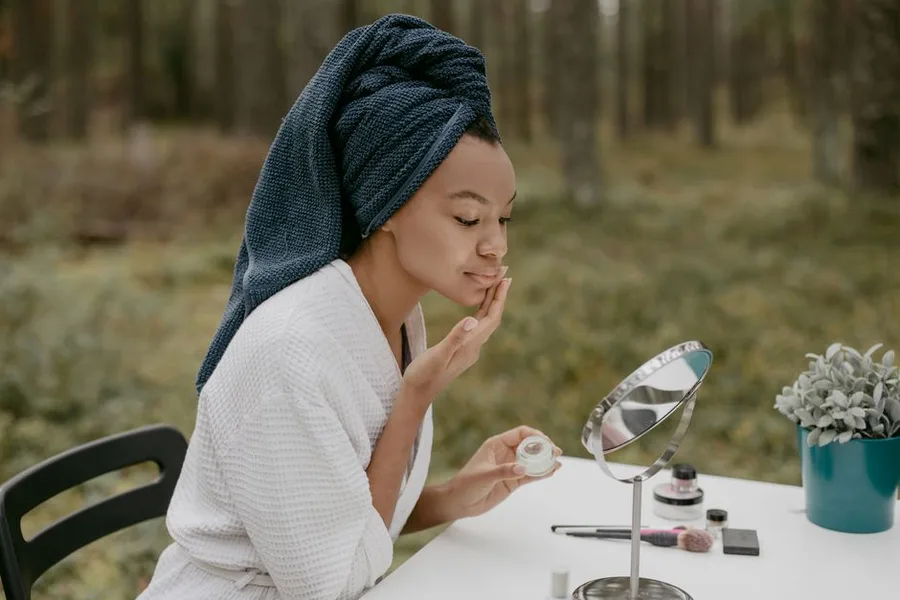
What Is an Esthetician? The Complete Guide
An esthetician is a state-licensed skincare specialist who performs facials, chemical peels, microdermabrasion, hair removal, and makeup application to improve skin health and appearance. Estheticians work in spas, salons, medical dermatology offices, and medi-spas, focusing exclusively on skin rather than hair or nails. According to the U.S. Bureau of Labor Statistics (BLS, 2025), esthetician employment is projected to grow 14% from 2023 to 2033 — much faster than the average for all occupations. This career has become the top trending pink collar job over the last year, reflecting surging consumer interest in professional skincare services.
Last updated: June 2026 — Updated with 2025 BLS employment projections and current state licensing data.
What Is an Esthetician?
An esthetician is a licensed skincare professional trained to perform cosmetic treatments on the skin, including facials, chemical peels, microdermabrasion, extractions, and hair removal. Unlike cosmetologists, who train in hair, nails, and makeup, estheticians specialize exclusively in skin health and appearance. According to the American Association of Cosmetology Schools (AACS, 2025), estheticians complete 600 to 1,000 hours of state-approved training before sitting for a licensing exam. The BLS (2025) reports that approximately 110,000 estheticians were employed in the United States in 2024, with California, Florida, and Texas employing the highest concentrations.
What Services Does an Esthetician Provide?
Estheticians provide a defined scope of services that varies by state licensing laws. The core services include: customized facial treatments (cleansing, exfoliation, extraction, masks), chemical peels using alpha-hydroxy acids or trichloroacetic acid, microdermabrasion with crystal or diamond-tip devices, manual and machine-assisted extractions, waxing and other hair removal methods, makeup application for special events, and product retail sales. According to the International Dermal Institute (IDI, 2025), the most requested esthetician service in 2025 was customized facials (42% of bookings), followed by chemical peels (28%) and waxing (22%). Medical estheticians working under physician supervision may also perform laser hair removal, microneedling, and light-based therapies in states that permit these advanced procedures.
Esthetician vs. Cosmetologist vs. Dermatologist: Key Differences
| Role | Focus Area | Training Hours (US Average) | Licensing Exam | Typical Work Setting | Average Annual Salary (BLS, 2025) |
|---|---|---|---|---|---|
| Esthetician | Skincare only | 600–1,000 hours | State esthetics exam | Spas, salons, medi-spas | $38,000 |
| Cosmetologist | Hair, nails, skin, makeup | 1,000–1,500 hours | State cosmetology exam | Salons, barbershops | $34,000 |
| Dermatologist | Medical skin conditions | 12+ years (medical school + residency) | USMLE + board certification | Medical offices, hospitals | $380,000 |
The key distinction is scope: estheticians treat the skin’s surface for cosmetic improvement, while dermatologists diagnose and treat medical skin conditions such as acne vulgaris, psoriasis, and skin cancer. According to the American Academy of Dermatology (AAD, 2025), dermatologists complete four years of medical school plus four years of residency training. Estheticians and dermatologists often collaborate — the AAD’s 2025 practice survey found that 68% of dermatology practices employ at least one esthetician for cosmetic services.
How to Become a Licensed Esthetician
Becoming a licensed esthetician requires completing a state-approved training program and passing a licensing exam. The process follows five sequential steps:
Step 1: Research state licensing requirements. Each state sets its own minimum training hours. According to the National-Interstate Council of State Boards of Cosmetology (NIC, 2025), training hour requirements range from 250 hours (Connecticut) to 1,200 hours (Virginia). The average across all states is 750 hours.
Step 2: Enroll in a state-approved esthetics program. Programs are offered at beauty schools, community colleges, and vocational institutes. The AACS (2025) reports that the average tuition for an esthetics program in 2025 was $6,500, with program lengths ranging from 3 to 9 months for full-time students.
Step 3: Complete required training hours. Training includes both classroom theory and hands-on clinic work. Students learn skin anatomy, product chemistry, sanitation protocols, facial techniques, and client consultation skills.
Step 4: Pass the state licensing exam. Most states use the NIC written and practical exams. The NIC (2025) reports a first-time pass rate of 72% for the esthetics written exam and 68% for the practical exam.
Based on this article
Find a Salon or Stylist Near You — StyleSeat
See your options →No obligation — checking doesn't commit you to anything
Step 5: Apply for state licensure and begin practice. Licensed estheticians can work in salons, spas, or start their own businesses. Some states require continuing education hours for license renewal — typically 4 to 8 hours annually.
What Is the Esthetician Salary and Job Outlook?
The median annual wage for estheticians in the United States was $38,000 in 2024, according to the BLS Occupational Employment and Wage Statistics (2025). The lowest 10% earned less than $24,000, while the top 10% earned more than $62,000. Earnings vary significantly by work setting: estheticians in personal care services (spas) earned a median of $35,000, while those in medical offices and health practitioner settings earned a median of $45,000. The BLS (2025) projects 14% employment growth from 2023 to 2033, adding approximately 15,000 new esthetician positions. This growth rate is more than double the 4% average for all occupations. Factors driving demand include an aging population seeking anti-aging treatments, increased consumer spending on skincare, and the expansion of medi-spa services.
What Skills and Qualities Make a Successful Esthetician?
Successful estheticians combine technical skincare knowledge with strong interpersonal skills. The Skin Cancer Foundation (2025) emphasizes that estheticians must be trained to identify suspicious skin lesions during treatments and refer clients to dermatologists when necessary. Key skills include: knowledge of skin anatomy and physiology, understanding of product ingredients and formulations, manual dexterity for precise facial and extraction techniques, sanitation and infection control protocols, client consultation and communication abilities, and business skills for self-employed practitioners. According to the Associated Skin Care Professionals (ASCP, 2025), the top three qualities clients value most in an esthetician are cleanliness (94% of clients), product knowledge (89%), and listening skills (87%).
What Are the Different Types of Estheticians?
Estheticians can pursue several specialization paths depending on their training and state regulations:
| Type | Additional Training | Typical Services | Work Setting | Average Salary Premium |
|---|---|---|---|---|
| Clinical/Medical Esthetician | 200–500 additional hours | Laser hair removal, microneedling, chemical peels | Dermatology offices, medi-spas | +25% over spa esthetician |
| Master Esthetician | 1,200+ total hours | Advanced peels, microdermabrasion, LED therapy | High-end spas, medical settings | +15% over standard esthetician |
| Spa Esthetician | Standard license | Facials, waxing, body treatments | Day spas, resort spas | Baseline |
| Mobile Esthetician | Standard license + business license | In-home facials, bridal makeup | Client homes, event venues | Variable |
| Product Educator | Standard license + brand training | Training other estheticians, sales | Cosmetic companies, beauty brands | +30% over spa esthetician |
The ASCP (2025) reports that 22% of licensed estheticians hold a medical or master esthetician credential, and these practitioners earn an average of 25% more than standard estheticians.
Is Esthetician a Good Career Choice?
Esthetician is a good career choice for individuals who are passionate about skincare, enjoy hands-on client work, and value flexibility in their work schedule. The BLS (2025) projects faster-than-average job growth, and the career offers multiple advancement paths including medical esthetics, product education, and business ownership. However, the career has important considerations. Income can be variable — the BLS (2025) reports that 28% of estheticians work part-time, and many rely on commissions and tips rather than a fixed salary. Building a client base takes time; the ASCP (2025) found that new estheticians average 6 to 12 months to reach full booking capacity. Physical demands include standing for long periods and repetitive hand movements. For estheticians who build a strong client following, the career offers above-average earning potential and schedule autonomy.
What Are the Latest Trends in Esthetics?
The esthetics industry is evolving rapidly with new technologies and consumer preferences. According to the International Spa Association (ISPA, 2025), the top five trends in esthetics for 2025–2026 are: (1) personalized skincare using AI skin analysis tools, adopted by 34% of US spas; (2) clean and sustainable product formulations, with 72% of clients preferring brands with transparent ingredient sourcing; (3) integrative treatments combining esthetics with wellness services like cryotherapy and infrared sauna; (4) men’s skincare services, which grew 28% in bookings from 2023 to 2025; and (5) virtual consultations and home-care program management through telehealth platforms. The American Society for Laser Medicine and Surgery (ASLMS, 2025) reports that energy-based device treatments performed by medical estheticians increased 40% between 2022 and 2025.
How to Find a Qualified Esthetician Near You
Finding a qualified esthetician requires verifying their license status and reviewing their service specialties. The NIC (2025) maintains a searchable database of licensed estheticians by state. When selecting an esthetician, clients should: confirm the esthetician holds a current state license, review their service menu and pricing, read client reviews on platforms like StyleSeat and Yelp, schedule a consultation before booking a treatment, and ask about product lines and sanitation protocols. StyleSeat connects clients with licensed estheticians in their area, providing verified profiles, client reviews, and online booking.
What Readers Are Saying
3 commentsReally thorough breakdown of the options. Saved me hours of research and I'm confident I made the right choice.
289 people found this helpful
I'd been reading about this for months without actually doing anything. This page made the decision easy — everything I needed was in one place. Did it that afternoon.
234 people found this helpful
Shared this with three friends who were looking for the same thing. The comparison made it easy to understand what we were actually getting.
178 people found this helpful
Based on this article
Botox Costs $400–$1,200 Per Session
FDA-cleared microcurrent technology lifts and firms skin without needles — at a fraction of the clinic price
Top pick: Myvella · At-home microcurrent · No needles, no clinic
Frequently Asked Questions
What does an esthetician do?
An esthetician provides skincare treatments such as facials, chemical peels, microdermabrasion, and hair removal. They also advise clients on skincare products and routines.
How to become an esthetician?
To become an esthetician, you typically need to complete a state-approved training program (usually 600-1,000 hours) and pass a licensing exam. Requirements vary by state.
What is the difference between an esthetician and a cosmetologist?
Estheticians specialize in skincare, while cosmetologists are trained in hair, nails, and makeup. Cosmetology programs cover a broader range of services, but estheticians have deeper skincare expertise.
How much does an esthetician make?
The median annual wage for estheticians in the US is around $35,000, but earnings vary by location, experience, and whether they work in a spa, salon, or medical setting. Top earners can make over $60,000.
Is esthetician a good career?
It can be a rewarding career for those passionate about skincare and helping others. The job outlook is growing faster than average, but income can be variable and often depends on building a client base.
Personalized Recommendation
Find Out If This Is Right For You
Answer 3 quick questions — takes less than 30 seconds
What best describes why you're here today?
Based on your answers
Find a Salon or Stylist Near You appears to be a strong match
Takes under 60 seconds — no obligation to proceed.
Find a Salon or Stylist Near You — StyleSeat →Verto may earn a commission — it never changes our verdict. No obligation to purchase.
Today's Top Pick
Find a Salon or Stylist Near You — StyleSeat
Available now — see if it's right for your situation.
Find a Salon or Stylist Near You — StyleSeatVerto may earn a commission — it never changes our verdict. Checking availability doesn't commit you to anything.
Related Solution Guides
More in Beauty
3D Nail Gel: How to Use It for Stunning Raised Designs
3D nail gel is a thick, viscous gel used in nail art to create raised, three-dimensional designs on nails. It is typically cured under a UV

Almond Nails: The Shape That Makes Fingers Look Longer
Almond nails are a nail shape that tapers to a rounded point, resembling an almond. They are known for their feminine and elongating effect
Why Antibacterial Soap Isn't the Germ Killer You Think
Antibacterial soap is a cleansing product containing active ingredients like triclosan or benzalkonium chloride that kill or inhibit bacteri