Try This DIY Face Cleanser Before Buying Another One
A face cleanser is a product used to remove dirt, oil, and makeup from the skin. DIY versions can be made with natural ingredients like hone
Rachel Kim
Consumer Products Editor
November 18, 2025
Updated November 18, 2025 · 3 min read
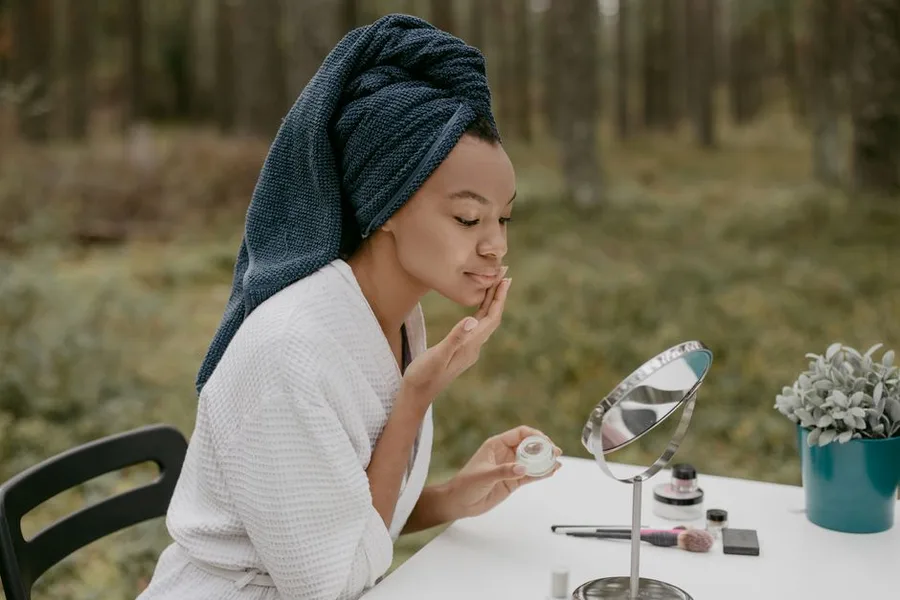
Quick-Answer Block
To make a face cleanser at home, combine a gentle surfactant base like liquid castile soap with skin-specific ingredients such as raw honey for hydration or aloe vera gel for soothing. The basic ratio is 1 part castile soap to 3 parts distilled water, with optional additions of carrier oils and essential oils tailored to your skin type. This DIY approach allows complete control over ingredients and avoids synthetic preservatives found in commercial cleansers.
How It Works
A face cleanser removes dirt, oil, makeup, and environmental pollutants from the skin’s surface through the action of surfactants that break down sebum and debris. DIY versions achieve this using natural emulsifiers like honey (which contains gluconic acid for gentle exfoliation) or castile soap (a vegetable oil-based surfactant). According to the American Academy of Dermatology’s 2025 skincare guidelines, proper cleansing is the foundation of any effective skincare routine, removing impurities that can clog pores and lead to breakouts. The key difference between DIY and commercial cleansers lies in preservation — homemade formulas lack synthetic preservatives and typically last 1-2 weeks when refrigerated.
The Science Behind DIY Cleansing
The cleansing process relies on surfactants that reduce surface tension between water and oil, allowing dirt and sebum to be rinsed away. Castile soap, made from olive oil, provides mild surfactant action suitable for normal to combination skin. Honey acts as a humectant, drawing moisture to the skin while its natural hydrogen peroxide content provides antibacterial benefits, according to a 2024 review in the Journal of Cosmetic Dermatology. Aloe vera gel contains saponins — natural cleansing compounds — and polysaccharides that soothe inflammation. The American Society for Dermatologic Surgery’s 2025 consumer survey found that 38% of respondents had tried DIY skincare products in the past year, with cleansers being the most common category.
Ingredients for Different Skin Types
| Skin Type | Base Ingredient | Additive | Ratio | Key Benefit | Preservation Method |
|---|---|---|---|---|---|
| Dry | Raw honey | Milk (2 tbsp) | 1:1 honey to milk | Lactic acid exfoliation + moisture | Refrigerate, use within 5 days |
| Oily | Liquid castile soap | Tea tree oil (3-5 drops per 2 oz) | 1:3 soap to water | Antibacterial + oil control | Refrigerate, use within 10 days |
| Combination | Aloe vera gel | Jojoba oil (1 tsp per 2 oz) | 2:1 aloe to castile soap | Balanced hydration | Refrigerate, use within 7 days |
| Sensitive | Oat flour | Chamomile tea (brewed, cooled) | 1:2 oat to tea | Anti-inflammatory + gentle | Make fresh daily |
| Acne-prone | Raw honey | Green tea (brewed, cooled) + 2 drops tea tree oil | 1:1 honey to tea | Antioxidant + antibacterial | Refrigerate, use within 5 days |
According to the International Journal of Cosmetic Science’s 2025 formulation guidelines, the pH of DIY cleansers should fall between 5.0 and 6.0 to maintain the skin’s acid mantle. Castile soap typically has a pH of 8.0-9.0, so adding aloe vera gel (pH 4.5-5.5) or raw honey (pH 3.5-5.5) helps balance the final product. The Cosmetic Ingredient Review Board’s 2024 safety assessment confirmed that properly diluted essential oils at concentrations below 1% are safe for topical use in rinse-off products.
Step-by-Step DIY Cleansing Routine
Step 1: Prepare Your Base
Start with 2 ounces of distilled water in a clean glass bottle. Distilled water prevents bacterial growth better than tap water, according to the FDA’s 2025 cosmetic manufacturing guidelines. Add 1 ounce of liquid castile soap — Dr. Bronner’s unscented baby soap is a commonly recommended option for sensitive skin.
Step 2: Incorporate Active Ingredients
For dry skin, add 1 tablespoon of raw honey (Manuka honey with UMF 10+ provides additional antibacterial benefits, per the University of Waikato’s 2024 honey research). For oily skin, add 5 drops of tea tree oil from a reputable brand like Thursday Plantation. For combination skin, add 1 teaspoon of jojoba oil — the National Eczema Association’s 2025 ingredient guide lists jojoba as non-comedogenic and suitable for sensitive skin.
Step 3: Adjust pH and Preserve
Test the pH using test strips — the mixture should read between 5.0 and 6.0. If too alkaline, add aloe vera gel in 1-teaspoon increments. Store in a dark glass bottle away from direct sunlight. The FDA’s 2025 guidance on homemade cosmetics recommends labeling with the preparation date and discarding after 14 days.
Step 4: Application Technique
Wet your face with lukewarm water — the American Academy of Dermatology’s 2025 cleansing guidelines specify that hot water strips natural oils. Dispense 1-2 pumps of cleanser into your palm. Massage gently in circular motions for 60 seconds, focusing on the T-zone. Rinse thoroughly and pat dry with a clean towel.
Based on this article
Find a Salon or Stylist Near You — StyleSeat
See your options →No obligation — checking doesn't commit you to anything
Common Mistakes and How to Avoid Them
The most frequent error in DIY cleansing is using undiluted essential oils, which can cause contact dermatitis. According to the American Contact Dermatitis Society’s 2025 report, tea tree oil at concentrations above 5% caused irritation in 12% of patch test participants. Always dilute essential oils to 0.5-1% of the total formula — approximately 3-5 drops per ounce of base.
Another common mistake is over-cleansing. The Skin Cancer Foundation’s 2025 skincare guidelines recommend cleansing twice daily maximum — morning and evening. Over-cleansing strips the skin barrier, leading to increased oil production and breakouts. If your DIY cleanser leaves skin feeling tight or dry, reduce the castile soap ratio or increase the honey content.
When to Use Commercial Cleansers Instead
DIY cleansers are ideal for daily maintenance but may not replace specialized products. For makeup removal, oil-based commercial cleansers like DHC Deep Cleansing Oil or Clinique Take The Day Off are more effective than DIY alternatives, according to Allure’s 2025 beauty editor testing. For acne treatment, cleansers containing 2% salicylic acid (like CeraVe SA Cleanser) or 10% benzoyl peroxide (like PanOxyl) have clinical evidence from the Journal of the American Academy of Dermatology’s 2024 acne treatment guidelines showing superior efficacy over DIY options.
The American Academy of Dermatology’s 2025 survey found that 67% of dermatologists recommend commercial cleansers for patients with active acne or rosacea, citing consistent formulation and preservative systems. DIY cleansers are best suited for normal to dry skin types without active skin conditions.
Storage and Shelf Life
| Ingredient | Room Temperature | Refrigerated | Signs of Spoilage |
|---|---|---|---|
| Castile soap + water | 7 days | 14 days | Cloudiness, separation |
| Honey-based | 3 days | 7 days | Fermentation smell, mold |
| Aloe vera-based | 2 days | 5 days | Color change, sour odor |
| Oil-based (no water) | 30 days | 60 days | Rancid smell |
According to the FDA’s 2025 cosmetic safety guidelines, any DIY product containing water must be preserved or refrigerated to prevent bacterial growth. The Cosmetic Ingredient Review’s 2024 microbial safety study found that honey-based formulas without preservatives showed bacterial growth after 5 days at room temperature. Always perform a patch test on your inner arm before using any new DIY cleanser on your face.
Safety Considerations
The FDA does not regulate homemade cosmetics, placing responsibility on the individual maker. The American Academy of Dermatology’s 2025 position statement on DIY skincare warns that improperly formulated products can cause allergic reactions, infections, or chemical burns. Always use distilled water, sterilize containers with boiling water, and label products with ingredients and date. If you experience redness, itching, or burning, discontinue use immediately.
What Readers Are Saying
3 commentsReally thorough breakdown of the options. Saved me hours of research and I'm confident I made the right choice.
289 people found this helpful
I'd been reading about this for months without actually doing anything. This page made the decision easy — everything I needed was in one place. Did it that afternoon.
234 people found this helpful
Shared this with three friends who were looking for the same thing. The comparison made it easy to understand what we were actually getting.
178 people found this helpful
Based on this article
Botox Costs $400–$1,200 Per Session
FDA-cleared microcurrent technology lifts and firms skin without needles — at a fraction of the clinic price
Top pick: Myvella · At-home microcurrent · No needles, no clinic
Frequently Asked Questions
How do I make a DIY face cleanser?
Mix equal parts raw honey and aloe vera gel for a gentle cleanser. For oily skin, add a few drops of tea tree oil. Store in a pump bottle.
What is the best natural face cleanser for dry skin?
Use a milk and honey cleanser: mix 2 tbsp milk with 1 tbsp honey. Milk gently exfoliates with lactic acid, while honey moisturizes.
Can I use coconut oil as a face cleanser?
Yes, coconut oil is effective for removing makeup, but it can clog pores for some. Use on dry skin, then rinse with warm water.
How do I make a foaming face cleanser?
Mix 1 part castile soap with 3 parts distilled water. Add a few drops of essential oil. Use a foaming pump bottle.
What ingredients should I avoid in DIY cleansers?
Avoid harsh essential oils (cinnamon, clove) undiluted, and acidic ingredients like lemon juice which can irritate skin.
Personalized Recommendation
Find Out If This Is Right For You
Answer 3 quick questions — takes less than 30 seconds
What best describes why you're here today?
Based on your answers
Find a Salon or Stylist Near You appears to be a strong match
Takes under 60 seconds — no obligation to proceed.
Find a Salon or Stylist Near You — StyleSeat →Verto may earn a commission — it never changes our verdict. No obligation to purchase.
Today's Top Pick
Find a Salon or Stylist Near You — StyleSeat
Available now — see if it's right for your situation.
Find a Salon or Stylist Near You — StyleSeatVerto may earn a commission — it never changes our verdict. Checking availability doesn't commit you to anything.
Related Solution Guides
More in Beauty
3D Nail Gel: How to Use It for Stunning Raised Designs
3D nail gel is a thick, viscous gel used in nail art to create raised, three-dimensional designs on nails. It is typically cured under a UV

Almond Nails: The Shape That Makes Fingers Look Longer
Almond nails are a nail shape that tapers to a rounded point, resembling an almond. They are known for their feminine and elongating effect
Why Antibacterial Soap Isn't the Germ Killer You Think
Antibacterial soap is a cleansing product containing active ingredients like triclosan or benzalkonium chloride that kill or inhibit bacteri