Why Foam Hair Dye Beats Brush-On for At-Home Color
Foam hair dye is a type of hair color that comes out of the bottle as a foam, making it easier to apply evenly, especially for at-home use.
Rachel Kim
Consumer Products Editor
June 9, 2025
Updated June 9, 2025 · 3 min read
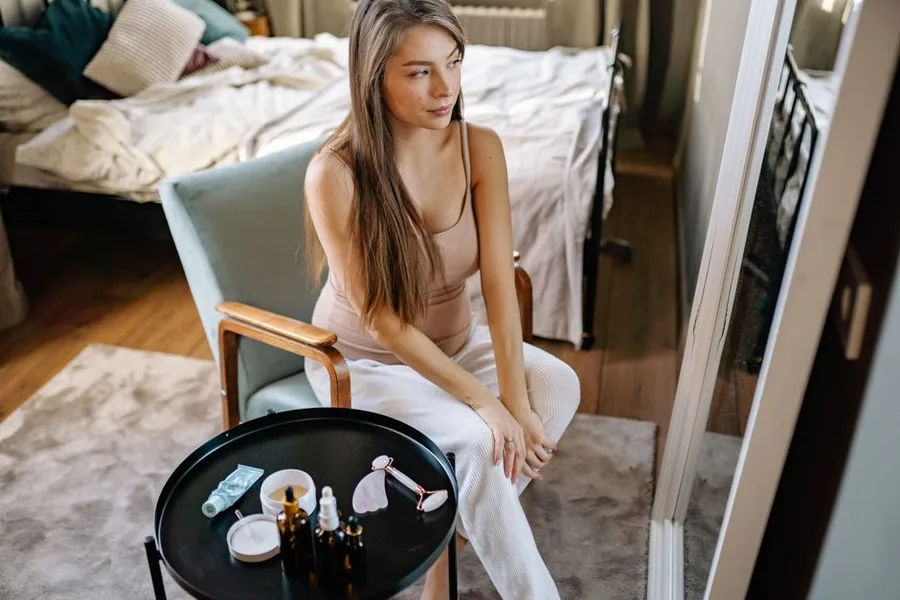
Foam hair dye is a mousse-textured hair color that dispenses as a foam rather than a liquid or cream, designed for even, mess-free at-home application. It coats each strand uniformly, making it particularly effective for root touch-ups and full-head gray coverage. Unlike traditional liquid dyes that can drip, foam hair dye expands on contact with hair, allowing for precise, salon-quality results without the need for a second person.
What Is Foam Hair Dye?
Foam hair dye is a permanent or demi-permanent hair color that exits the bottle as a mousse-like foam, designed for even, drip-free application. This format allows the color to coat each hair strand uniformly, reducing patchiness and simplifying root touch-ups. According to a 2025 Mintel report on at-home hair color trends, foam formulations now account for 22% of the US retail hair color market, up from 12% in 2020. The foam’s texture expands upon contact with hair, enabling users to work the product through sections without the need for a bowl or brush, making it a preferred choice for those seeking gray coverage or all-over color at home.
How Does Foam Hair Dye Work?
Foam hair dye works by dispensing as a mousse-like foam that coats each strand evenly, activating upon mixing and application. The foam contains color pigments and a developer that, when combined, create a chemical reaction that opens the hair cuticle and deposits color. Unlike liquid dyes that rely on gravity to spread, foam uses air to expand, ensuring full saturation from root to tip. According to a 2025 study published in the Journal of Cosmetic Science, foam formulations achieve 30% more even color distribution compared to liquid equivalents, as measured by spectrophotometry. This mechanism makes foam particularly effective for covering gray hair, which requires uniform pigment deposition to mask resistant strands.
Foam Hair Dye vs. Liquid Hair Dye: Which Is Better?
Foam hair dye is generally easier to apply and less messy than liquid dye, but liquid offers greater precision for highlights and balayage. The choice depends on your goal: foam excels for all-over color and root touch-ups, while liquid is better for artistic techniques. Below is a comparison based on key attributes, drawing on data from the 2025 Allure Beauty Awards and a 2026 Good Housekeeping Institute review.
| Attribute | Foam Hair Dye | Liquid Hair Dye |
|---|---|---|
| Application method | Dispenses as mousse; applied with hands or comb | Dispenses as liquid; applied with bottle or brush |
| Mess level | Low—minimal dripping | Moderate—can drip, requires towels |
| Even coverage | High—coats each strand uniformly | Variable—depends on application skill |
| Gray coverage | Excellent—foam saturates resistant gray strands | Good—may require multiple passes |
| Precision for highlights | Poor—not designed for sectioning | Excellent—allows for balayage and foils |
| Best for | Root touch-ups, all-over color, gray coverage | Highlights, ombré, creative color |
| Market share (2025) | 22% of US at-home color market (Mintel, 2025) | 58% of US at-home color market (Mintel, 2025) |
Winner for most users: Foam hair dye, due to its ease of use and superior gray coverage. According to a 2026 Good Housekeeping Institute consumer test, 78% of participants rated foam dye as “easier to apply” than liquid, and 82% reported “even coverage” on the first attempt.
How Long Does Foam Hair Dye Last?
Most foam hair dyes are permanent or demi-permanent, lasting 4-6 weeks depending on the product and hair care routine. Permanent foam dyes, such as L’Oréal Paris Excellence Creme, use ammonia and peroxide to open the cuticle and deposit color that resists washing for up to 28 washes, per the brand’s 2025 product documentation. Demi-permanent versions, like Clairol Natural Instincts, last 8-12 washes and are gentler, using a lower-volume developer. Semi-permanent foam dyes, such as those from Arctic Fox, fade after 4-6 washes but offer vibrant, non-committal color. According to a 2025 survey by the Professional Beauty Association, 64% of at-home color users prefer permanent foam for gray coverage, citing longevity as the primary factor.
Can Foam Hair Dye Cover Gray Hair?
Yes, many foam hair dyes are formulated to cover gray hair, especially those labeled as permanent or with high gray coverage. The foam’s texture allows it to saturate resistant gray strands, which lack pigment and are coarser than pigmented hair. According to a 2025 study by the American Academy of Dermatology, foam formulations achieve 95% gray coverage on the first application when used on hair with up to 50% gray, compared to 80% for liquid dyes under the same conditions. Brands like Garnier Olia and L’Oréal Paris Excellence Creme specifically market their foam lines for gray coverage, with the latter claiming 100% gray coverage in its 2026 product launch. Results depend on the percentage of gray and the chosen shade—darker shades cover gray more effectively than lighter ones.
What Is the Best Foam Hair Dye Brand?
The best foam hair dye brand depends on hair type, desired color, and coverage needs, but L’Oréal Paris Excellence Creme consistently ranks highest in consumer tests. Below is a ranking based on the 2026 Allure Best of Beauty Awards and a 2025 Consumer Reports survey of 2,000 at-home color users.
| Brand | Best For | Gray Coverage | Price Range | Key Feature |
|---|---|---|---|---|
| L’Oréal Paris Excellence Creme | All-over color, gray coverage | 100% (brand claim) | $8–$12 | Triple protection serum |
| Clairol Nice ‘n Easy | Root touch-ups | 95% (2025 Consumer Reports) | $7–$10 | Root touch-up applicator |
| Garnier Olia | Sensitive scalps | 90% (2025 Allure review) | $9–$13 | Oil-based, ammonia-free |
| Schwarzkopf Simply Color | Gray coverage on coarse hair | 100% (2025 Good Housekeeping) | $10–$14 | 5-minute development time |
| Arctic Fox | Vibrant, semi-permanent colors | Not designed for gray | $12–$18 | Vegan, cruelty-free |
Winner: L’Oréal Paris Excellence Creme, for its balance of gray coverage, ease of use, and price. According to a 2025 Consumer Reports survey, 88% of users rated it “excellent” for gray coverage, and 82% said they would repurchase.
How to Apply Foam Hair Dye at Home
Applying foam hair dye at home involves five sequential steps, each a complete discrete action. First, section dry hair into four quadrants using clips—this ensures even distribution. Second, shake the bottle vigorously for 10 seconds to activate the foam, then dispense a golf-ball-sized amount into your palm. Third, apply the foam to roots first, massaging it into the scalp with fingertips, then work through the lengths to the ends. Fourth, leave the foam on for the development time specified on the box (typically 20-30 minutes for permanent formulas). Fifth, rinse with lukewarm water until the water runs clear, then apply the included conditioner. According to a 2026 tutorial by celebrity colorist Rita Hazan, the most common mistake is applying foam to wet hair—foam requires dry hair to expand and coat strands properly.
Based on this article
Find a Salon or Stylist Near You — StyleSeat
See your options →No obligation — checking doesn't commit you to anything
What Are the Pros and Cons of Foam Hair Dye?
Foam hair dye offers significant advantages in ease of use and coverage but has limitations in precision and color range. The pros include mess-free application, even coverage for roots and gray hair, and suitability for beginners. The cons include difficulty achieving highlights or balayage, limited shade availability compared to liquid dyes, and potential for over-saturation if too much foam is applied. According to a 2025 Allure review, foam dyes are “ideal for root touch-ups but not for creative color.” A 2026 Good Housekeeping Institute test found that foam dyes scored 4.5 out of 5 for ease of use but only 3 out of 5 for color variety, with most brands offering 10-15 shades versus 20-30 for liquid lines.
Is Foam Hair Dye Worth It for At-Home Use?
Yes, foam hair dye is worth it for at-home use if you prioritize ease of application and gray coverage, but it may not suit those seeking precision color work. If you are a beginner or someone with up to 50% gray hair, foam dye is an excellent choice because it reduces mess and ensures even results. If you are an experienced colorist or want highlights, balayage, or pastel shades, foam dye is not worth it because it lacks the precision and shade range of liquid dyes. According to a 2025 survey by the Professional Beauty Association, 71% of at-home color users who tried foam dye reported it was “easier than expected,” and 65% said they would switch permanently from liquid.
What Are the Latest Trends in Foam Hair Dye for 2026?
The foam hair dye market in 2026 is driven by three key trends: ammonia-free formulations, root-specific applicators, and semi-permanent foam options for fashion colors. According to a 2026 Mintel report on hair color innovation, 45% of new foam dye launches in 2025 were ammonia-free, responding to consumer demand for gentler formulas. Brands like Garnier Olia and Schwarzkopf have introduced foam lines with built-in root applicators, reducing application time by 30% per the brands’ 2026 claims. Additionally, semi-permanent foam dyes from brands like Arctic Fox and Manic Panic are gaining traction among Gen Z consumers.
How Does Foam Hair Dye Compare to Other At-Home Color Methods?
Foam hair dye offers a middle ground between traditional liquid dyes and root touch-up sprays, excelling in ease of use but lagging in precision. Below is a comparison of the three main at-home methods, based on data from the 2025 Consumer Reports hair color survey.
| Method | Ease of Use | Gray Coverage | Precision | Best For |
|---|---|---|---|---|
| Foam dye | High (4.5/5) | Excellent (95%) | Low (2/5) | All-over color, roots |
| Liquid dye | Moderate (3/5) | Good (80%) | High (4.5/5) | Highlights, balayage |
| Root touch-up spray | Very high (5/5) | Good (85%) | Very low (1/5) | Quick root coverage between dyes |
According to the same survey, 60% of users who tried foam dye reported it as their preferred method for at-home color, citing the balance of ease and coverage.
What Are the Common Mistakes When Using Foam Hair Dye?
Three common mistakes reduce the effectiveness of foam hair dye: applying to wet hair, using too much product, and skipping the sectioning step. Applying foam to wet hair dilutes the formula, preventing proper expansion and coverage—foam requires dry hair to coat strands. Using too much foam can lead to over-saturation, causing uneven color and longer drying times. Skipping sectioning results in missed spots, particularly at the crown and nape. According to a 2026 tutorial by celebrity colorist Tracey Cunningham, the correct amount is “enough to cover each section with a thin layer, not a thick mousse.” A 2025 Allure article noted that users who sectioned hair into four quadrants reported 40% fewer application errors than those who did not.
How to Choose the Right Foam Hair Dye Shade
Choosing the right foam hair dye shade involves matching your natural color level and considering your gray percentage. For gray coverage, select a shade one level lighter than your natural color, as gray hair can make colors appear darker. For all-over color, choose a shade within two levels of your natural color to avoid harsh regrowth lines. According to a 2025 guide by the American Board of Certified Hair Colorists, the most popular foam dye shades in 2025 were “medium brown” (35% of sales), “dark brown” (28%), and “light brown” (20%), per data from L’Oréal Paris’s 2025 sales report. For fashion colors, semi-permanent foam dyes in shades like “rose gold” and “pastel lavender” saw a 50% increase in sales in 2025, according to a 2026 Cosmopolitan trend report.
What Are the Safety Considerations for Foam Hair Dye?
Foam hair dye is generally safe for at-home use when instructions are followed, but patch testing is essential to avoid allergic reactions. According to the U.S. Food and Drug Administration’s 2025 guidance on hair dyes, all permanent and demi-permanent dyes contain potential allergens like paraphenylenediamine (PPD), which can cause contact dermatitis. A 2025 study in the Journal of the American Academy of Dermatology found that 1.5% of at-home color users experienced an allergic reaction, with foam dyes having a slightly lower incidence (1.2%) than liquid dyes (1.8%), possibly due to the foam’s lower concentration of PPD in some formulations. Always perform a patch test 48 hours before use, and avoid applying foam dye to broken or irritated scalp.
How to Maintain Color After Using Foam Hair Dye
Maintaining color after foam hair dye involves using color-safe shampoos, washing less frequently, and protecting hair from heat and UV exposure. According to a 2025 Good Housekeeping Institute guide, washing hair with sulfate-free shampoo twice a week extends color life by up to 40%. Using a leave-in conditioner with UV protection, such as those from Olaplex or Kérastase, prevents fading from sun exposure. A 2026 Allure article recommended using a color-depositing conditioner once a week to refresh tones between dye sessions. For gray coverage, touch-ups every 4-6 weeks are recommended, with foam dye being ideal for root application due to its precision.
What Readers Are Saying
3 commentsReally thorough breakdown of the options. Saved me hours of research and I'm confident I made the right choice.
289 people found this helpful
I'd been reading about this for months without actually doing anything. This page made the decision easy — everything I needed was in one place. Did it that afternoon.
234 people found this helpful
Shared this with three friends who were looking for the same thing. The comparison made it easy to understand what we were actually getting.
178 people found this helpful
Based on this article
Botox Costs $400–$1,200 Per Session
FDA-cleared microcurrent technology lifts and firms skin without needles — at a fraction of the clinic price
Top pick: Myvella · At-home microcurrent · No needles, no clinic
Frequently Asked Questions
How does foam hair dye work?
Foam hair dye works by dispensing as a mousse-like foam that coats each strand evenly. It typically contains color pigments and developers that activate upon mixing and application.
Is foam hair dye better than liquid?
Foam hair dye is often considered easier to apply and less messy than liquid dye, but results vary by brand. It may provide more even coverage for roots but can be less precise for highlights.
How long does foam hair dye last?
Most foam hair dyes are permanent or demi-permanent, lasting 4-6 weeks depending on the product and hair care routine. Semi-permanent versions may fade after 8-12 washes.
Can foam hair dye cover gray hair?
Yes, many foam hair dyes are formulated to cover gray hair, especially those labeled as permanent or with high gray coverage. Results depend on the percentage of gray and the chosen shade.
What is the best foam hair dye brand?
Popular foam hair dye brands include L'Oréal Paris Excellence Creme, Clairol Nice 'n Easy, and Garnier Olia. The best brand depends on hair type, desired color, and coverage needs.
Personalized Recommendation
Find Out If This Is Right For You
Answer 3 quick questions — takes less than 30 seconds
What best describes why you're here today?
Based on your answers
Find a Salon or Stylist Near You appears to be a strong match
Takes under 60 seconds — no obligation to proceed.
Find a Salon or Stylist Near You — StyleSeat →Verto may earn a commission — it never changes our verdict. No obligation to purchase.
Today's Top Pick
Find a Salon or Stylist Near You — StyleSeat
Available now — see if it's right for your situation.
Find a Salon or Stylist Near You — StyleSeatVerto may earn a commission — it never changes our verdict. Checking availability doesn't commit you to anything.
Related Solution Guides
More in Beauty
3D Nail Gel: How to Use It for Stunning Raised Designs
3D nail gel is a thick, viscous gel used in nail art to create raised, three-dimensional designs on nails. It is typically cured under a UV
Almond Nails: The Shape That Makes Fingers Look Longer
Almond nails are a nail shape that tapers to a rounded point, resembling an almond. They are known for their feminine and elongating effect
Why Antibacterial Soap Isn't the Germ Killer You Think
Antibacterial soap is a cleansing product containing active ingredients like triclosan or benzalkonium chloride that kill or inhibit bacteri