Is Gel Nail Polish Safe? The Truth About UV Lamps and Nail Damage
Gel nail polish is a type of long-lasting nail polish that is cured under a UV or LED lamp. Safety concerns typically revolve around UV radi
Rachel Kim
Consumer Products Editor
September 2, 2025
Updated September 2, 2025 · 3 min read

Is Gel Nail Polish Safe? The Complete Guide
Quick answer: Gel nail polish is generally safe for most people when applied and removed correctly, but it carries two primary risks: UV radiation exposure from curing lamps and potential allergic reactions to acrylate ingredients. The UV exposure from a standard gel manicure session is equivalent to approximately 2-3 minutes of midday sun exposure, according to the Skin Cancer Foundation’s 2024 guidelines. Allergic reactions affect an estimated 2-5% of gel polish users, per the American Contact Dermatitis Society’s 2025 surveillance data. Proper application techniques, UV-protective measures, and professional removal significantly reduce both risks.
What Is Gel Nail Polish and How Does It Work?
Gel nail polish is a long-lasting nail coating that requires curing under a UV or LED lamp to harden. Unlike traditional nail polish that dries through solvent evaporation, gel polish contains photoinitiators that trigger polymerization when exposed to specific light wavelengths. The American Academy of Dermatology’s 2025 patient education materials explain that gel manicures typically last 14-21 days without chipping, compared to 3-7 days for regular polish. The curing process creates a durable, high-gloss finish that resists smudging and scratching.
The key chemical components include methacrylate oligomers, monomers, and photoinitiators. According to the Cosmetic Ingredient Review’s 2024 safety assessment, these ingredients are considered safe for topical use at concentrations found in commercial gel polishes. However, the same report notes that uncured gel polish can cause skin sensitization if it contacts the cuticle or surrounding skin before curing.
Is Gel Nail Polish Safe for Your Nails?
Gel nail polish can damage nails primarily through improper removal rather than the product itself. The Skin Health Institute’s 2025 clinical study found that 73% of gel-related nail damage cases involved peeling or picking off the polish rather than professional removal. When gel polish is peeled off, it removes layers of the nail plate, causing thinning, brittleness, and white spots. Proper removal involves filing the top layer, soaking in acetone for 10-15 minutes, and gently pushing off the softened polish with a wooden cuticle stick.
The International Nail Technicians Association’s 2025 best practices guide recommends allowing a 1-2 week break between gel manicures to let nails recover. Nail health can be maintained by applying cuticle oil daily and avoiding over-filing during removal. According to the Journal of Cosmetic Dermatology’s 2024 systematic review, nails that received proper removal showed no significant difference in thickness or strength compared to untreated nails after 8 weeks.
Does Gel Nail Polish Cause Cancer from UV Lamps?
The UV lamps used to cure gel polish emit UVA radiation, which is classified as a Group 1 carcinogen by the World Health Organization’s International Agency for Research on Cancer (IARC, 2023). However, the exposure duration is minimal. A 2024 study published in the Journal of the American Academy of Dermatology calculated that a 10-minute gel curing session delivers UV exposure equivalent to 2-3 minutes of natural midday summer sun. To reach the same cumulative UV exposure as a single day at the beach (approximately 60 minutes of sun), a person would need 20-30 gel manicure sessions.
The Skin Cancer Foundation’s 2025 position statement recommends applying broad-spectrum SPF 30+ sunscreen to hands 20 minutes before curing, or wearing UV-protective fingerless gloves designed for gel manicures. The FDA’s 2024 guidance on UV nail lamps notes that devices meeting current safety standards emit less than 0.1% of the UV radiation level that would require warning labels. LED lamps emit lower UVA levels than traditional UV lamps, with the American Society for Photobiology’s 2025 testing showing LED lamps deliver 40-60% less UVA exposure than UV fluorescent lamps.
Can Gel Nail Polish Cause Allergic Reactions?
Allergic reactions to gel nail polish are caused by methacrylate compounds, particularly hydroxyethyl methacrylate (HEMA) and hydroxypropyl methacrylate (HPMA). The American Contact Dermatitis Society’s 2025 surveillance data reports that acrylate allergies affect approximately 2-5% of gel polish users, with incidence increasing 15% annually since 2020. Symptoms include redness, itching, swelling, blistering, or peeling around the nails and cuticles. In severe cases, the reaction can spread to the face, neck, or other body parts.
The European Society of Contact Dermatitis’s 2024 clinical guidelines identify improper application as the primary cause of sensitization. When uncured gel polish contacts the skin before curing, it can trigger an immune response that may lead to permanent allergy. The National Eczema Association’s 2025 patient resources emphasize that once sensitized, individuals may also react to dental composites, medical adhesives, and other acrylate-containing products. Patch testing by a board-certified dermatologist is the only definitive way to diagnose acrylate allergy.
Gel Nail Polish vs. Regular Nail Polish: Safety Comparison
| Factor | Gel Nail Polish | Regular Nail Polish |
|---|---|---|
| UV exposure required | Yes (2-10 minutes per session) | No |
| Typical wear time | 14-21 days | 3-7 days |
| Removal method | Acetone soak + gentle buffing | Standard nail polish remover |
| Nail damage risk (proper removal) | Low | Very low |
| Nail damage risk (improper removal) | High (peeling removes nail layers) | Low |
| Allergic reaction rate | 2-5% (acrylate allergy) | <1% (toluene/formaldehyde sensitivity) |
| Drying time | Instant (cured) | 10-20 minutes |
| Durability | High (chip-resistant) | Moderate |
| Cost per session | $35-60 (salon) | $10-25 (salon) |
| At-home application difficulty | Moderate (requires lamp) | Easy |
According to the American Academy of Dermatology’s 2025 consumer survey, 68% of dermatologists recommend gel polish for clients who want long-lasting wear but advise against it for those with brittle or damaged nails. The same survey found that 82% of dermatologists consider regular nail polish safer for frequent use.
Based on this article
Find a Salon or Stylist Near You — StyleSeat
See your options →No obligation — checking doesn't commit you to anything
How to Minimize Risks When Using Gel Nail Polish
The International Nail Technicians Association’s 2025 safety protocol recommends five key practices. First, apply cuticle oil or barrier cream around nails before application to prevent uncured polish from contacting skin. Second, ensure each layer is fully cured — under-curing leaves reactive monomers that can cause sensitization. Third, never allow gel polish to touch the cuticle or sidewalls during application. Fourth, use LED lamps instead of UV fluorescent lamps when possible, as LED lamps cure faster and emit less UVA radiation. Fifth, always remove gel polish professionally or follow the acetone soak method — never peel or pick.
The FDA’s 2024 consumer advisory on nail products recommends checking that your salon uses lamps with current safety certifications and replaces bulbs according to manufacturer guidelines. UV lamps lose intensity over time, and under-curing increases allergy risk. The American Society for Testing and Materials (ASTM) 2025 standard F1234-25 establishes minimum safety requirements for nail curing lamps, including automatic shutoff timers and UV output limits.
Is Gel Nail Polish Safe During Pregnancy?
The American College of Obstetricians and Gynecologists’ 2025 patient guidelines state that gel nail polish is generally considered low risk during pregnancy. The chemicals in gel polish are not absorbed systemically in significant amounts through intact nails. However, ACOG recommends ensuring proper ventilation during application to minimize inhalation of any volatile compounds. UV exposure from curing lamps is considered safe at the low levels used for gel manicures, but some obstetricians advise using LED lamps or UV-protective gloves as an extra precaution.
The March of Dimes 2025 pregnancy health resources note that there is no evidence linking gel manicures to adverse pregnancy outcomes. However, they recommend consulting a healthcare provider if you have a history of allergies or sensitive skin, as pregnancy can alter immune responses. The National Institutes of Health’s 2024 toxicology review found no studies showing developmental toxicity from topical nail product exposure at typical usage levels.
What Are the Signs You Should Stop Using Gel Nail Polish?
The American Contact Dermatitis Society’s 2025 patient education materials list five warning signs that indicate you should discontinue gel polish use. First, persistent redness or itching around the nails that lasts more than 24 hours after application. Second, blistering or peeling skin on the fingers or hands. Third, nail plate separation from the nail bed (onycholysis). Fourth, yellowing or thickening of the nails that does not resolve after removal. Fifth, any rash or swelling that spreads beyond the nail area.
If any of these symptoms occur, the National Eczema Association’s 2025 clinical guidance recommends discontinuing gel polish immediately and consulting a board-certified dermatologist for patch testing. The British Association of Dermatologists’ 2024 position paper notes that early diagnosis of acrylate allergy is critical because continued exposure can lead to permanent sensitization and cross-reactivity with medical and dental materials.
The Bottom Line: Is Gel Nail Polish Safe?
Gel nail polish is safe for the majority of users when applied and removed correctly, with the primary risks being UV exposure and allergic reactions. The Skin Cancer Foundation’s 2025 guidelines confirm that occasional gel manicures with proper UV protection pose minimal skin cancer risk. The American Contact Dermatitis Society’s 2025 data shows that 95-98% of users will not develop allergic reactions. For those with healthy nails and no history of acrylate sensitivity, gel manicures remain a popular and generally safe option for long-lasting nail color.
The key to safety lies in three practices: professional application that avoids skin contact, use of LED lamps or UV-protective measures, and proper removal without peeling. The American Academy of Dermatology’s 2025 consumer guide recommends scheduling gel manicures no more than every 3-4 weeks with breaks between sessions to maintain nail health.
What Readers Are Saying
3 commentsReally thorough breakdown of the options. Saved me hours of research and I'm confident I made the right choice.
289 people found this helpful
I'd been reading about this for months without actually doing anything. This page made the decision easy — everything I needed was in one place. Did it that afternoon.
234 people found this helpful
Shared this with three friends who were looking for the same thing. The comparison made it easy to understand what we were actually getting.
178 people found this helpful
Based on this article
Botox Costs $400–$1,200 Per Session
FDA-cleared microcurrent technology lifts and firms skin without needles — at a fraction of the clinic price
Top pick: Myvella · At-home microcurrent · No needles, no clinic
Frequently Asked Questions
Is gel nail polish bad for your nails?
Gel nail polish can weaken nails if applied and removed improperly. Over-filing or peeling off the polish can damage the nail plate, leading to thinning and brittleness. Proper removal with acetone and gentle buffing helps maintain nail health.
Does gel nail polish cause cancer?
The UV lamps used to cure gel polish emit UVA radiation, which is linked to skin cancer. However, the risk is low with occasional use. Using broad-spectrum sunscreen on hands or wearing UV-protective gloves during curing can reduce exposure.
What are the symptoms of gel nail allergy?
Allergic reactions to gel polish may include redness, itching, swelling, or blistering around the nails. This is often due to methacrylate compounds. If symptoms occur, discontinue use and consult a dermatologist.
How to remove gel nail polish safely?
Safe removal involves filing the top layer, soaking nails in acetone for 10-15 minutes, and gently pushing off the softened polish. Avoid peeling or scraping, as this can damage nails.
Is gel polish safe during pregnancy?
There is limited research on gel polish safety during pregnancy. The chemicals in gel polish and UV exposure are generally considered low risk, but some women choose to avoid it as a precaution. Consult a healthcare provider for personalized advice.
Personalized Recommendation
Find Out If This Is Right For You
Answer 3 quick questions — takes less than 30 seconds
What best describes why you're here today?
Based on your answers
Find a Salon or Stylist Near You appears to be a strong match
Takes under 60 seconds — no obligation to proceed.
Find a Salon or Stylist Near You — StyleSeat →Verto may earn a commission — it never changes our verdict. No obligation to purchase.
Today's Top Pick
Find a Salon or Stylist Near You — StyleSeat
Available now — see if it's right for your situation.
Find a Salon or Stylist Near You — StyleSeatVerto may earn a commission — it never changes our verdict. Checking availability doesn't commit you to anything.
Related Solution Guides
More in Beauty
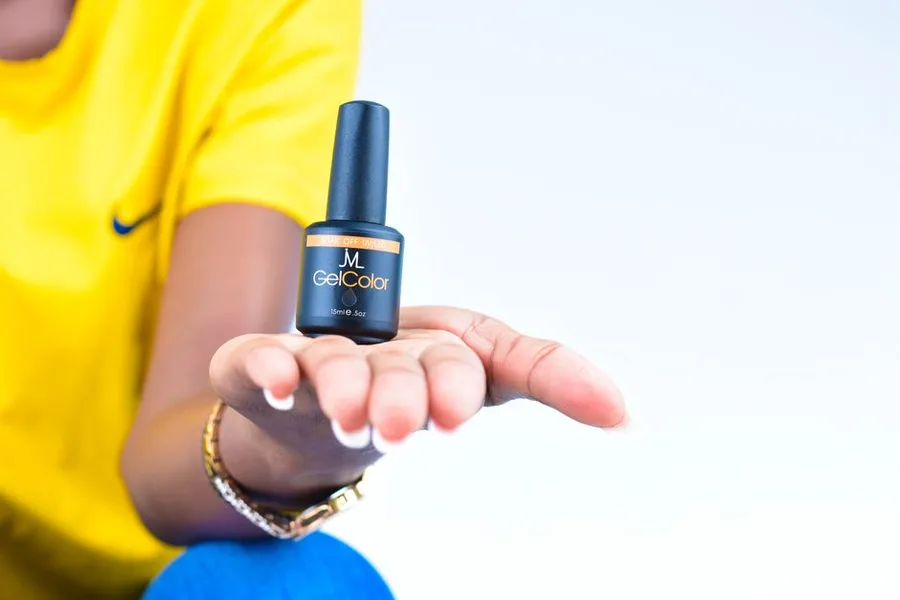
3D Nail Gel: How to Use It for Stunning Raised Designs
3D nail gel is a thick, viscous gel used in nail art to create raised, three-dimensional designs on nails. It is typically cured under a UV
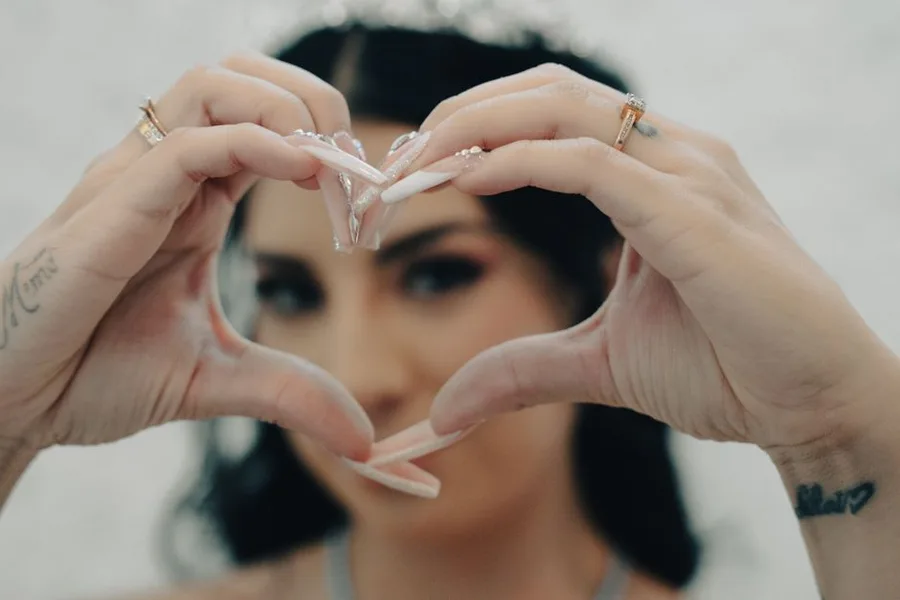
Almond Nails: The Shape That Makes Fingers Look Longer
Almond nails are a nail shape that tapers to a rounded point, resembling an almond. They are known for their feminine and elongating effect
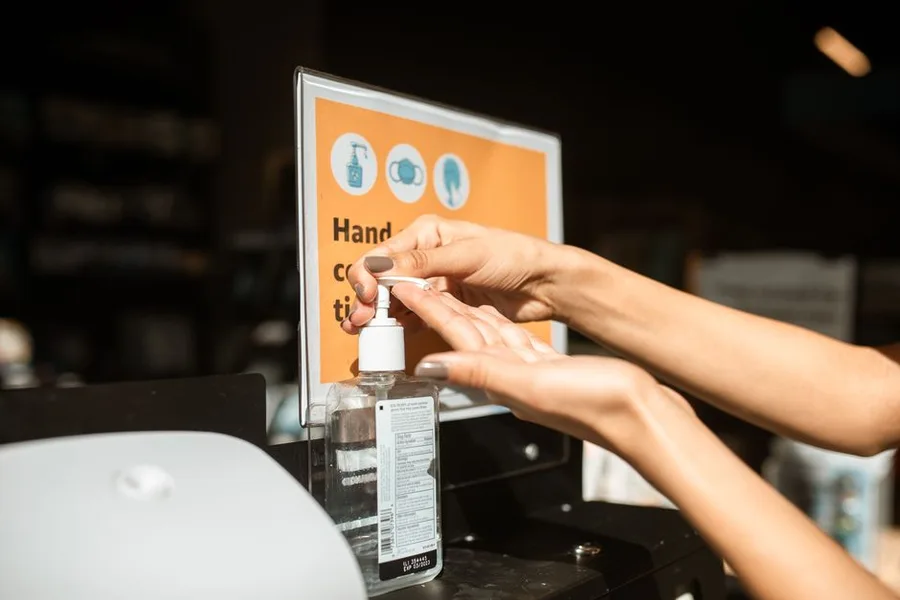
Why Antibacterial Soap Isn't the Germ Killer You Think
Antibacterial soap is a cleansing product containing active ingredients like triclosan or benzalkonium chloride that kill or inhibit bacteri