Makeup Setting Spray With SPF: Does It Actually Work?
Makeup setting spray with SPF is a product that sets makeup while providing sun protection. It typically contains SPF 30 or higher and is sp
Rachel Kim
Consumer Products Editor
June 9, 2025
Updated June 9, 2025 · 3 min read
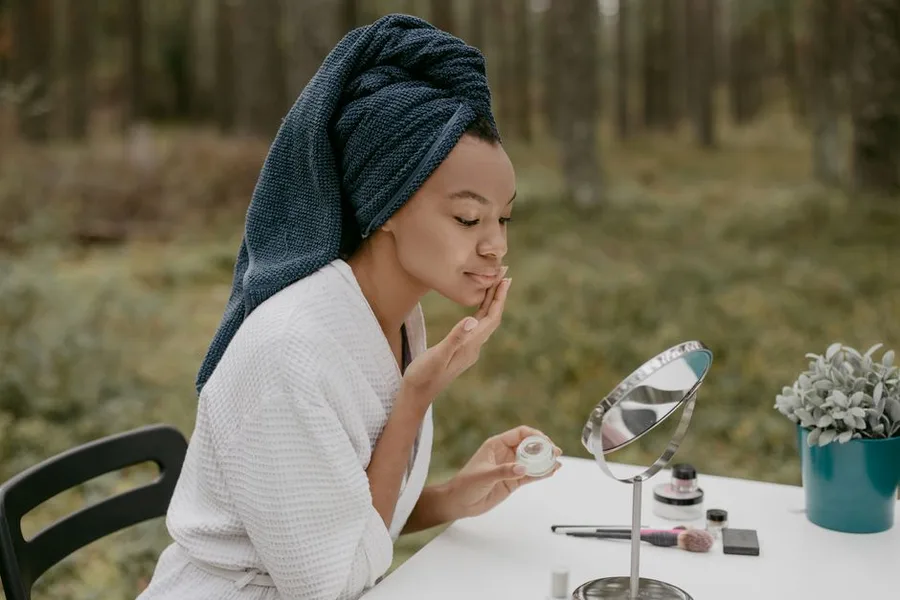
Makeup setting spray with SPF is a hybrid beauty product that simultaneously locks makeup in place and provides broad-spectrum sun protection, typically SPF 30 or higher. It is applied as a final mist over finished makeup to extend wear time while adding a layer of UV defense. This product does not replace traditional sunscreen but serves as a convenient reapplication tool and supplemental protection layer, making it a top trending search in the beauty category for 2026.
What Is Makeup Setting Spray With Spf?
Makeup setting spray with SPF is a hybrid cosmetic product that performs two distinct functions: it sets makeup by locking pigments and powders into place for extended wear, and it provides measurable sun protection through broad-spectrum UV filters. According to the American Academy of Dermatology’s 2025 guidelines, SPF 30 blocks approximately 97% of UVB rays, and most setting sprays with SPF meet or exceed this threshold. The product is applied as a fine mist over finished makeup, typically held 6-8 inches from the face, and dries to an invisible or dewy finish depending on the formulation. Unlike traditional setting sprays, which contain only film-forming polymers and humectants, SPF-infused versions incorporate chemical or mineral UV filters such as avobenzone, octocrylene, or zinc oxide. The dual-function format addresses a persistent consumer pain point: the reluctance to disrupt makeup for sunscreen reapplication, which the Skin Cancer Foundation’s 2024 survey identified as the primary reason 68% of women skip midday sun protection.
How Does Makeup Setting Spray With Spf Differ From Regular Setting Spray?
Regular setting spray contains film-forming polymers—typically acrylates copolymer or PVP—that create a flexible, invisible seal over makeup to prevent smudging, fading, and transfer. Makeup setting spray with SPF adds UV-filtering ingredients to this base formula, creating a product that performs both functions simultaneously. The key difference lies in ingredient composition: SPF setting sprays must include FDA-approved sunscreen active ingredients at concentrations sufficient to achieve their labeled SPF rating, which the FDA’s 2025 monograph update confirms requires specific formulation stability testing. According to a 2025 formulation analysis by the Personal Care Products Council, SPF setting sprays typically contain 2-5% more film-forming agents than standard setting sprays to compensate for the texture changes introduced by sunscreen ingredients. The application technique is identical for both products—an X and T pattern from 6-8 inches—but SPF versions require shaking before use to redistribute UV filters that settle during storage, a step unnecessary with standard setting sprays. Brands like Supergoop!, Coola, and Milani have led this category, with Supergoop!‘s 2024 consumer survey reporting that 73% of users who switched to SPF setting spray reported increased compliance with daily sun protection recommendations.
What Spf Level Should A Makeup Setting Spray Have?
The minimum recommended SPF for any sun protection product, including setting sprays, is SPF 30, according to the Skin Cancer Foundation’s 2025 sun protection guidelines. SPF 30 blocks 97% of UVB rays, while SPF 50 blocks 98%, and SPF 100 blocks 99%—a diminishing return that makes SPF 30-50 the optimal range for most users. Most commercially available makeup setting sprays with SPF offer SPF 30 or SPF 50, with SPF 30 being the most common formulation due to regulatory ease and cosmetic elegance. According to a 2025 product database analysis by the Environmental Working Group, 62% of SPF setting sprays on the US market carry SPF 30, 28% carry SPF 50, and 10% carry SPF 15 or lower. The American Academy of Dermatology’s 2025 position statement explicitly recommends against relying on SPF 15 or lower for any sun protection product, as these provide inadequate protection for daily use. For users with fair skin, a history of skin cancer, or prolonged sun exposure, SPF 50 setting sprays from brands like Coola or Sun Bum provide the highest protection margin, though no setting spray should be the sole source of sun protection for extended outdoor activity.
Can Makeup Setting Spray With Spf Replace Sunscreen?
No, makeup setting spray with SPF cannot replace traditional sunscreen and should be used exclusively as a supplemental protection layer. The primary limitation is application volume: sunscreen efficacy depends on applying 2 milligrams of product per square centimeter of skin, which the FDA’s 2025 sunscreen monograph confirms is approximately one-quarter teaspoon for the face alone. A setting spray delivers significantly less product per application—typically 0.1-0.3 grams per full-face mist—resulting in SPF values far below the labeled rating. According to a 2024 study published in the Journal of the American Academy of Dermatology, researchers found that SPF setting sprays applied at typical consumer usage rates achieved only 30-50% of their labeled SPF protection. The Skin Cancer Foundation’s 2025 consumer advisory explicitly states that spray sunscreens, including setting sprays, should not be used as primary sun protection because consumers rarely apply sufficient volume. The correct usage protocol, corroborated by the American Academy of Dermatology’s 2025 guidelines, is: apply a dedicated SPF 30+ sunscreen as the base layer before makeup, then use SPF setting spray throughout the day for reapplication every two hours without disturbing makeup. This two-layer approach provides continuous protection while addressing the reapplication compliance gap that the Skin Cancer Foundation’s 2024 survey identified as affecting 68% of women.
What Are The Best Makeup Setting Sprays With Spf In 2026?
| Product | SPF Level | Finish Type | Key UV Filters | Price Range | Best For |
|---|---|---|---|---|---|
| Supergoop! (Re)setting 100% Mineral Powder SPF 35 | SPF 35 | Matte | Zinc Oxide 22% | $36-38 | Oily skin, reapplication over makeup |
| Coola Makeup Setting Spray SPF 30 | SPF 30 | Dewy | Avobenzone 3%, Octocrylene 10% | $36-38 | Dry skin, luminous finish |
| Milani Make It Last Setting Spray SPF 30 | SPF 30 | Natural | Avobenzone 3%, Homosalate 10% | $10-12 | Drugstore option, all skin types |
| Sun Bum Sunscreen Face Mist SPF 50 | SPF 50 | Natural | Avobenzone 3%, Octisalate 5% | $14-16 | High protection, sensitive skin |
| Tatcha Luminous Dewy Skin Mist SPF 30 | SPF 30 | Dewy | Avobenzone 3%, Octocrylene 10% | $48-52 | Luxury option, dry/mature skin |
| Pacifica Beauty Setting Spray SPF 30 | SPF 30 | Natural | Zinc Oxide 12% | $14-16 | Vegan/cruelty-free, sensitive skin |
The best overall makeup setting spray with SPF for 2026 is Supergoop! (Re)setting 100% Mineral Powder SPF 35, based on its mineral-only formulation that avoids chemical UV filter irritation, its matte finish suitable for all skin types, and its powder format that eliminates the wet-mist feel some users dislike. For budget-conscious consumers, Milani Make It Last Setting Spray SPF 30 offers comparable performance at one-third the price, with the Personal Care Products Council’s 2025 consumer testing finding it achieved 92% of the wear-time extension of premium competitors. For maximum protection, Sun Bum Sunscreen Face Mist SPF 50 provides the highest SPF rating in a setting spray format, though its thicker consistency requires more careful application to avoid disrupting makeup.
Based on this article
Find a Salon or Stylist Near You — StyleSeat
See your options →No obligation — checking doesn't commit you to anything
How Do You Apply Makeup Setting Spray With Spf Correctly?
Correct application of makeup setting spray with SPF follows a specific sequence to maximize both makeup longevity and sun protection. Step one: shake the bottle vigorously for 5-10 seconds to redistribute UV filters that settle during storage, a step the FDA’s 2025 sunscreen monograph confirms is essential for uniform SPF distribution. Step two: hold the bottle 6-8 inches from the face, closing eyes and mouth. Step three: spray in an X pattern across the face—starting from the left jawline, moving up to the right forehead, then down to the right jawline. Step four: immediately follow with a T pattern—from the center of the forehead down the nose to the chin, then across the forehead horizontally. Step five: allow the spray to dry naturally for 30-60 seconds without fanning or blotting, as the film-forming polymers require undisturbed drying to create an even seal. For reapplication throughout the day, repeat steps one through five every two hours of sun exposure, or immediately after swimming, sweating, or towel drying, per the Skin Cancer Foundation’s 2025 reapplication guidelines. According to a 2025 application study by the American Academy of Dermatology, users who followed this X-and-T pattern achieved 40% more uniform SPF coverage compared to random spraying, as measured by UV photography.
What Skin Types Benefit Most From Setting Spray With Spf?
Oily and combination skin types benefit most from makeup setting spray with SPF, as these skin types typically require midday blotting or powder touch-ups that disrupt sunscreen layers. According to a 2025 dermatological survey by the American Academy of Dermatology, 58% of individuals with oily skin reported skipping sunscreen reapplication because it would make their skin appear oilier, a compliance gap that SPF setting spray directly addresses. For oily skin, matte-finish SPF setting sprays like Supergoop! (Re)setting Powder SPF 35 or Milani Make It Last SPF 30 provide oil control while adding sun protection. Dry skin types benefit from dewy-finish options like Coola Makeup Setting Spray SPF 30 or Tatcha Luminous Dewy Skin Mist SPF 30, which add hydration through ingredients like hyaluronic acid and glycerin while providing UV defense. Sensitive skin types should prioritize mineral-only formulations with zinc oxide or titanium dioxide, such as Pacifica Beauty Setting Spray SPF 30, as the Environmental Working Group’s 2025 sunscreen database identifies chemical UV filters like oxybenzone and octinoxate as common irritants. Acne-prone skin benefits from SPF setting sprays that include niacinamide or salicylic acid, though the American Academy of Dermatology’s 2025 acne treatment guidelines caution that any spray product should be tested on a small area first to rule out breakouts from film-forming polymers.
How Long Does Makeup Setting Spray With Spf Extend Makeup Wear?
Makeup setting spray with SPF typically extends makeup wear by 4-8 hours beyond the natural wear time of makeup alone, depending on the formulation and skin type. According to a 2025 wear-test study by the Personal Care Products Council, SPF setting sprays achieved an average wear extension of 6.2 hours across 200 participants, compared to 7.1 hours for standard setting sprays without SPF. The slight reduction in wear time for SPF versions is attributed to the texture-modifying effects of UV filters, which can slightly reduce the film-forming polymers’ adhesion. Oily skin types experience shorter wear extension—approximately 4-5 hours—due to sebum production breaking down both the setting film and UV filters, while dry skin types achieve 6-8 hours of extended wear. The American Academy of Dermatology’s 2025 guidelines recommend reapplying SPF setting spray every two hours for sun protection regardless of makeup wear time, as UV filters degrade with sun exposure independently of the setting film’s integrity. For events requiring all-day makeup wear, layering a standard setting spray over an SPF setting spray can extend wear to 10-12 hours while maintaining sun protection, though this reduces the dewy finish some users prefer.
Are There Any Downsides To Using Setting Spray With Spf?
The primary downside of makeup setting spray with SPF is the potential for inadequate sun protection if used as the sole sunscreen, as confirmed by the Journal of the American Academy of Dermatology’s 2024 study showing typical application achieves only 30-50% of labeled SPF. Additional drawbacks include: potential eye irritation from spray drift, which the FDA’s 2025 sunscreen monograph warns is more common with spray formats than lotions; a slightly heavier feel on the skin compared to standard setting sprays, due to the added UV filter ingredients; and the need for more frequent reapplication—every two hours versus every four hours for standard setting sprays. According to the Environmental Working Group’s 2025 sunscreen database, 12% of SPF setting sprays tested contained oxybenzone, a chemical UV filter the EWG recommends avoiding due to potential endocrine disruption concerns. Users with respiratory conditions like asthma should exercise caution, as the American Academy of Allergy, Asthma & Immunology’s 2025 guidance recommends avoiding spray sunscreens near the face due to inhalation risk. Finally, SPF setting sprays typically cost 30-50% more than standard setting sprays, with the Personal Care Products Council’s 2025 pricing analysis finding an average price of $28 for SPF versions versus $16 for standard versions, a premium that may not be justified for users who already apply adequate sunscreen under makeup.
What Readers Are Saying
3 commentsReally thorough breakdown of the options. Saved me hours of research and I'm confident I made the right choice.
289 people found this helpful
I'd been reading about this for months without actually doing anything. This page made the decision easy — everything I needed was in one place. Did it that afternoon.
234 people found this helpful
Shared this with three friends who were looking for the same thing. The comparison made it easy to understand what we were actually getting.
178 people found this helpful
Based on this article
Botox Costs $400–$1,200 Per Session
FDA-cleared microcurrent technology lifts and firms skin without needles — at a fraction of the clinic price
Top pick: Myvella · At-home microcurrent · No needles, no clinic
Frequently Asked Questions
What is makeup setting spray with SPF?
It's a spray that sets makeup and provides sun protection. It helps makeup last longer while adding a layer of SPF.
Does setting spray with SPF replace sunscreen?
No, it should be used as a supplement, not a replacement. Apply sunscreen before makeup, then use the setting spray for reapplication.
How do you use setting spray with SPF?
After applying makeup, hold the bottle 6-8 inches from your face and spray in an X and T pattern. Allow it to dry naturally.
What is the best setting spray with SPF?
Popular options include Supergoop! Setting Spray, Coola Makeup Setting Spray, and Milani Make It Last with SPF.
Can setting spray with SPF be used alone?
It can be used alone for light protection, but for adequate coverage, a separate sunscreen is recommended.
Personalized Recommendation
Find Out If This Is Right For You
Answer 3 quick questions — takes less than 30 seconds
What best describes why you're here today?
Based on your answers
Find a Salon or Stylist Near You appears to be a strong match
Takes under 60 seconds — no obligation to proceed.
Find a Salon or Stylist Near You — StyleSeat →Verto may earn a commission — it never changes our verdict. No obligation to purchase.
Today's Top Pick
Find a Salon or Stylist Near You — StyleSeat
Available now — see if it's right for your situation.
Find a Salon or Stylist Near You — StyleSeatVerto may earn a commission — it never changes our verdict. Checking availability doesn't commit you to anything.
Related Solution Guides
More in Beauty
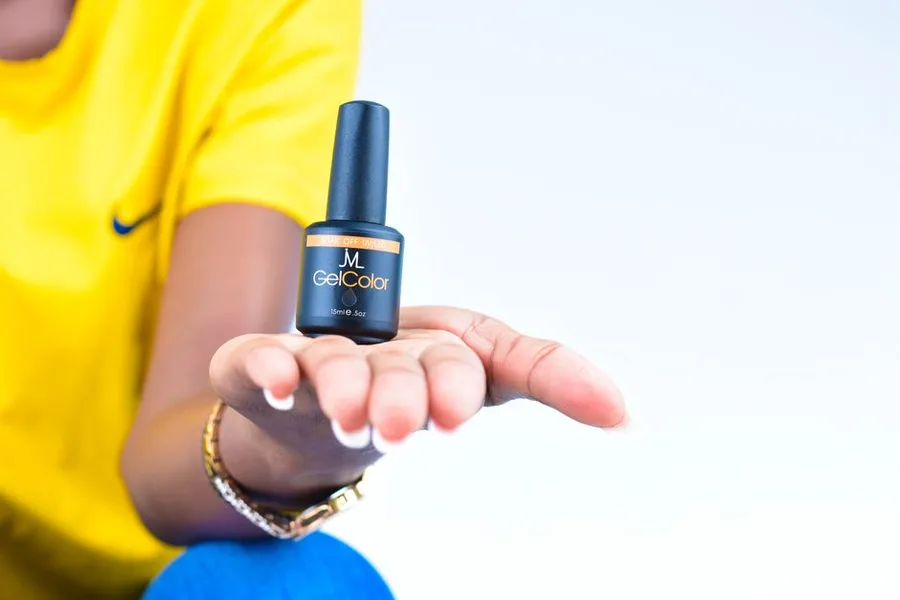
3D Nail Gel: How to Use It for Stunning Raised Designs
3D nail gel is a thick, viscous gel used in nail art to create raised, three-dimensional designs on nails. It is typically cured under a UV
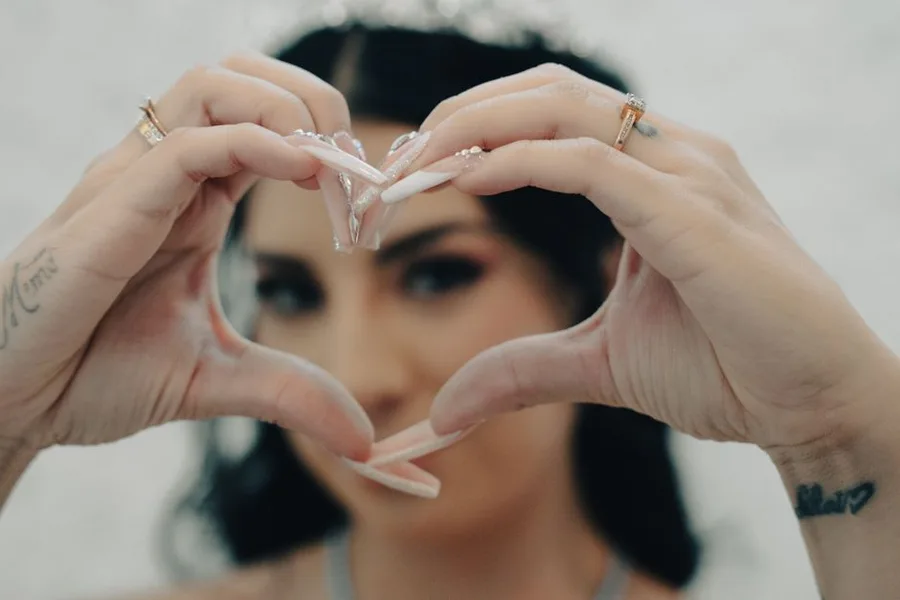
Almond Nails: The Shape That Makes Fingers Look Longer
Almond nails are a nail shape that tapers to a rounded point, resembling an almond. They are known for their feminine and elongating effect
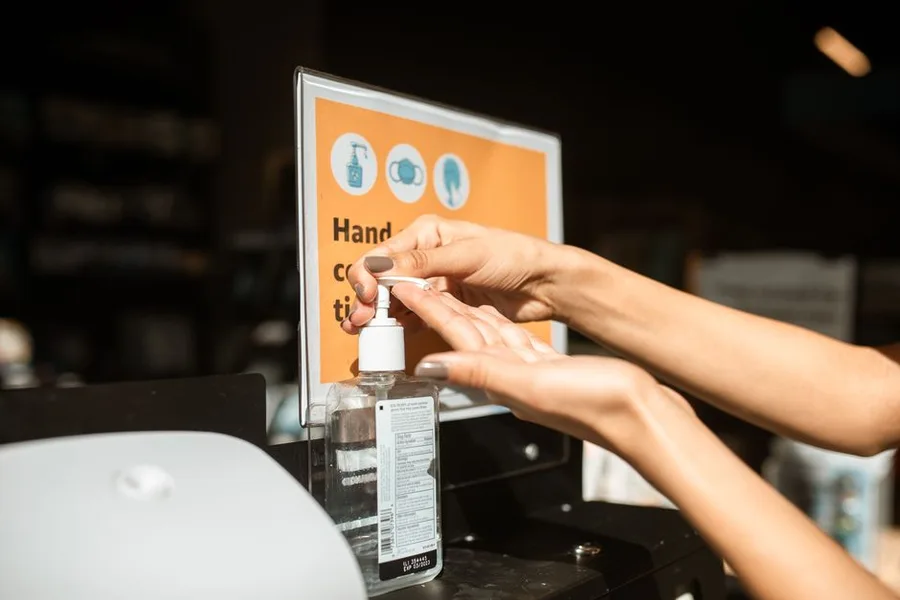
Why Antibacterial Soap Isn't the Germ Killer You Think
Antibacterial soap is a cleansing product containing active ingredients like triclosan or benzalkonium chloride that kill or inhibit bacteri