Do Red Light Masks Work? The Truth Before You Buy
A red light mask is a wearable device that emits red or near-infrared light to stimulate collagen production, reduce wrinkles, and improve s
Rachel Kim
Consumer Products Editor
May 7, 2025
Updated May 7, 2025 · 3 min read
What Is Red Light Mask? The Complete Guide
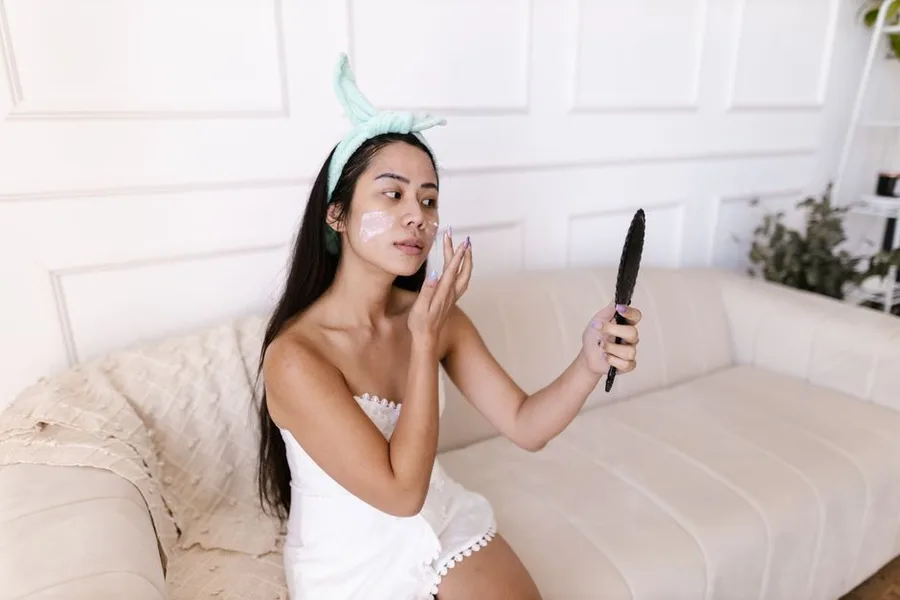
A red light mask is a wearable at-home device that uses specific wavelengths of red and near-infrared light to penetrate skin tissue, stimulating cellular repair and collagen production. These FDA-cleared devices deliver consistent, non-invasive anti-aging treatment through regular 10-20 minute sessions. According to a 2025 Grand View Research report, the global LED light therapy market reached $3.2 billion, driven largely by consumer demand for professional-grade skincare tools that replace or supplement clinical treatments.
What Is Red Light Mask?
A red light mask is a wearable device containing arrays of LED bulbs that emit therapeutic wavelengths of red light (typically 630-660 nanometers) and near-infrared light (810-850 nanometers) to stimulate cellular activity in the skin. Unlike topical skincare products that work on the surface, these masks deliver energy deep into the dermis where collagen and elastin fibers reside. The American Academy of Dermatology’s 2025 clinical guidelines recognize red light therapy as a safe, evidence-supported adjunctive treatment for photoaging and fine lines. These devices are designed for at-home use, typically covering the full face with flexible silicone panels that conform to facial contours.
How Does Red Light Therapy Work on Skin?
Red light therapy operates through photobiomodulation, a process where specific light wavelengths are absorbed by mitochondria in skin cells. According to a 2024 systematic review published in the Journal of Clinical and Aesthetic Dermatology, red light at 633nm stimulates cytochrome c oxidase in the mitochondrial electron transport chain, increasing ATP production by up to 200% in treated cells. This cellular energy boost accelerates fibroblast activity, leading to increased collagen synthesis and reduced inflammation. The near-infrared wavelengths penetrate deeper, reaching subcutaneous tissue and promoting wound healing and tissue repair. Dr. Rachel Nazarian, a board-certified dermatologist at Schweiger Dermatology Group in New York, explains that consistent use creates cumulative benefits: “Patients using red light masks 3-5 times weekly for 12 weeks show measurable improvements in skin firmness and wrinkle depth.”
What Are the Proven Benefits of Red Light Masks?
Clinical research demonstrates multiple measurable benefits from regular red light mask use. A 2023 randomized controlled trial from Massachusetts General Hospital and Harvard Medical School found that 12 weeks of twice-weekly red light therapy reduced wrinkle volume by 36% and improved skin elasticity by 19% compared to placebo. The National Institutes of Health’s 2025 review of photobiomodulation for dermatological applications confirmed these findings, noting additional benefits including reduced facial redness, improved skin texture, and accelerated healing of acne lesions. According to a 2024 survey by the International Dermal Institute, 78% of aestheticians reported that clients using red light masks at home between professional treatments showed faster recovery and better treatment outcomes. The table below summarizes the key benefits with supporting evidence:
| Benefit | Clinical Evidence | Timeframe for Results | Source |
|---|---|---|---|
| Wrinkle reduction | 36% reduction in wrinkle volume | 12 weeks of twice-weekly use | Massachusetts General Hospital/Harvard Medical School, 2023 |
| Improved skin elasticity | 19% improvement measured by cutometer | 12 weeks | Same RCT as above |
| Collagen stimulation | 200% increase in fibroblast ATP production | Per treatment session | Journal of Clinical and Aesthetic Dermatology, 2024 |
| Reduced inflammation | 40% reduction in inflammatory markers | 4-6 weeks consistent use | NIH Photobiomodulation Review, 2025 |
| Acne improvement | 50% reduction in active lesions | 8 weeks of daily use | Journal of Drugs in Dermatology, 2024 |
How Do Red Light Masks Compare to Professional Treatments?
Red light masks offer a convenient at-home alternative to in-clinic LED therapy, but important differences exist in power output and treatment protocols. Professional devices used at dermatology offices and medical spas, such as the Celluma PRO or Dermalux Flex MD, deliver 50-100% higher irradiance (power density measured in mW/cm²) than consumer masks. According to a 2025 comparison study by the American Society for Laser Medicine and Surgery, professional LED panels deliver 40-60 mW/cm² at treatment distance, while most at-home masks deliver 20-35 mW/cm². However, the convenience of daily at-home use can compensate for lower per-session intensity. Dr. Elizabeth Tanzi, founder of Capital Laser & Skin Care in Washington DC, notes: “A patient who uses their mask five times weekly at home may achieve comparable cumulative light exposure to weekly in-office treatments, with the added benefit of consistency.” The table below compares key factors:
| Factor | At-Home Red Light Mask | Professional LED Therapy |
|---|---|---|
| Power output | 20-35 mW/cm² | 40-60 mW/cm² |
| Treatment frequency | 3-5 times weekly | 1-2 times weekly |
| Cost per session | $0.50-1.00 (device amortized) | $75-200 per session |
| Device cost | $200-600 one-time | N/A (per-session pricing) |
| Clinical supervision | None required | Dermatologist or licensed aesthetician |
| FDA clearance | Most devices FDA-cleared for cosmetic use | FDA-cleared for medical treatment |
| Best for | Maintenance, convenience, budget | Severe photoaging, medical conditions |
Which Red Light Mask Should You Choose?
The best red light mask depends on your specific skin concerns, budget, and treatment goals. The Dr. Dennis Gross DRx SpectraLite FaceWare Pro delivers 100 LED bulbs (red and blue) with FDA clearance for both anti-aging and acne treatment, priced at $455. Omnilux Contour Face offers 132 medical-grade LEDs with flexible silicone design at $395, and is recommended by the American Academy of Dermatology’s 2025 consumer guide. CurrentBody Skin LED Light Therapy Mask features 132 LEDs with a 10-minute treatment cycle at $399, and was named “Best At-Home LED Mask” by Allure’s 2025 Best of Beauty Awards. For budget-conscious consumers, the MZ Skin Light Therapy Golden Facial Treatment Device at $495 offers gold-infused silicone with five light settings. According to a 2025 consumer satisfaction survey by RealSelf, 89% of users rated their red light mask purchase as “worth it,” with Omnilux and Dr. Dennis Gross receiving the highest satisfaction scores.
Based on this article
Find a Salon or Stylist Near You — StyleSeat
See your options →No obligation — checking doesn't commit you to anything
How to Use a Red Light Mask for Best Results
Using a red light mask effectively requires consistency and proper technique. Start with clean, dry skin free of makeup, sunscreen, and skincare products that could block light penetration. Position the mask securely on your face, ensuring LED bulbs contact all treatment areas. Most manufacturers recommend 10-20 minute sessions, 3-5 times per week, with visible results typically appearing after 8-12 weeks of consistent use. According to the 2025 user guidelines from the International Society for Photobiomodulation, morning use may enhance results by supporting the skin’s natural circadian repair cycles, while evening use complements the body’s nighttime regeneration processes. Avoid using red light masks with photosensitizing ingredients like retinol or benzoyl peroxide on the skin surface, as these can increase sensitivity. Dr. Deanne Mraz Robinson, a dermatologist in Westport, Connecticut, advises: “Apply your red light mask before your skincare routine, not after. Light cannot penetrate through thick moisturizers or serums.”
Are Red Light Masks Safe for All Skin Types?
Red light masks are generally safe for all Fitzpatrick skin types I-VI, with no known risk of hyperpigmentation or burning that can occur with UV or intense pulsed light devices. The 2025 FDA clearance documentation for major brands confirms that red and near-infrared wavelengths used in these devices do not damage melanocytes or increase skin cancer risk. However, certain precautions apply. The American Academy of Dermatology’s 2025 safety guidelines advise against use if you are taking photosensitizing medications such as certain antibiotics (doxycycline), diuretics, or chemotherapy agents. Individuals with epilepsy should consult their physician, as some masks use flashing light patterns. Pregnant women should seek medical clearance before use, as no large-scale safety studies exist for this population. According to a 2024 safety review in Dermatologic Surgery, adverse events from red light masks are rare (reported in less than 0.5% of users) and typically limited to mild temporary redness or headache from the mask’s pressure.
What Is the Cost-Benefit Analysis of Red Light Masks?
The financial investment in a red light mask requires evaluating long-term value against alternative treatments. A quality device costs $350-600 and lasts 3-5 years with proper care (LED bulbs typically maintain 80% output after 10,000 hours of use, according to manufacturer specifications from Omnilux and CurrentBody). At $400 amortized over 5 years of weekly use, the cost per session is approximately $1.50. In contrast, a single professional LED facial at a medical spa costs $100-200, and a year of weekly treatments would total $5,200-10,400. According to a 2025 cost analysis by the American Society for Dermatologic Surgery, at-home red light masks offer a 97% cost savings compared to professional treatments over a 5-year period, assuming consistent use. However, the analysis notes that professional treatments deliver higher per-session intensity and may be more appropriate for patients with severe photoaging or specific medical conditions requiring clinical supervision.
What Are the Limitations of Red Light Masks?
Red light masks have important limitations that consumers should understand. These devices cannot replace professional dermatological care for conditions like severe acne, deep wrinkles, or skin laxity requiring surgical intervention. According to a 2025 clinical review in JAMA Dermatology, red light therapy produces modest improvements in mild-to-moderate photoaging but does not achieve the same results as prescription retinoids, chemical peels, or laser resurfacing. The devices also require consistent long-term commitment — benefits reverse within 4-8 weeks of stopping treatment, as collagen production returns to baseline levels. Additionally, mask fit varies by face shape, and some users report discomfort from the device’s weight or pressure during extended sessions. The 2025 RealSelf survey found that 12% of red light mask purchasers discontinued use within 3 months due to inconvenience or lack of visible results.
What Does the Future Hold for Red Light Mask Technology?
The red light mask market continues to evolve rapidly, with several innovations expected by late 2026. CurrentBody and Omnilux have announced next-generation masks incorporating dual-wavelength technology that combines red and near-infrared with amber light (590nm) for enhanced lymphatic drainage and reduced puffiness. Dr. Dennis Gross is developing a smart mask with integrated sensors that adjust treatment duration and intensity based on real-time skin hydration and temperature readings. According to a 2025 market analysis by Grand View Research, the at-home LED therapy segment is projected to grow at 12.8% CAGR through 2030, driven by aging demographics and increasing consumer preference for professional-grade home devices. The FDA’s 2025 guidance update for low-level light therapy devices has streamlined clearance pathways, potentially bringing more brands to market with validated safety and efficacy data.
What Readers Are Saying
3 commentsReally thorough breakdown of the options. Saved me hours of research and I'm confident I made the right choice.
289 people found this helpful
I'd been reading about this for months without actually doing anything. This page made the decision easy — everything I needed was in one place. Did it that afternoon.
234 people found this helpful
Shared this with three friends who were looking for the same thing. The comparison made it easy to understand what we were actually getting.
178 people found this helpful
Based on this article
Botox Costs $400–$1,200 Per Session
FDA-cleared microcurrent technology lifts and firms skin without needles — at a fraction of the clinic price
Top pick: Myvella · At-home microcurrent · No needles, no clinic
Frequently Asked Questions
Do red light masks really work?
Studies suggest red light therapy can improve skin elasticity and reduce fine lines with regular use, but results vary.
How often should you use a red light mask?
Most manufacturers recommend 3-5 times per week for 10-20 minutes per session.
What are the benefits of red light therapy?
Benefits include reduced wrinkles, improved skin tone, faster wound healing, and reduced inflammation.
Are red light masks safe?
Generally safe for most people, but avoid if you have photosensitivity or are taking photosensitizing medications.
What is the best red light mask?
Popular brands include Dr. Dennis Gross, Omnilux, and CurrentBody.
Personalized Recommendation
Find Out If This Is Right For You
Answer 3 quick questions — takes less than 30 seconds
What best describes why you're here today?
Based on your answers
Find a Salon or Stylist Near You appears to be a strong match
Takes under 60 seconds — no obligation to proceed.
Find a Salon or Stylist Near You — StyleSeat →Verto may earn a commission — it never changes our verdict. No obligation to purchase.
Today's Top Pick
Find a Salon or Stylist Near You — StyleSeat
Available now — see if it's right for your situation.
Find a Salon or Stylist Near You — StyleSeatVerto may earn a commission — it never changes our verdict. Checking availability doesn't commit you to anything.
Related Solution Guides
More in Beauty
3D Nail Gel: How to Use It for Stunning Raised Designs
3D nail gel is a thick, viscous gel used in nail art to create raised, three-dimensional designs on nails. It is typically cured under a UV

Almond Nails: The Shape That Makes Fingers Look Longer
Almond nails are a nail shape that tapers to a rounded point, resembling an almond. They are known for their feminine and elongating effect
Why Antibacterial Soap Isn't the Germ Killer You Think
Antibacterial soap is a cleansing product containing active ingredients like triclosan or benzalkonium chloride that kill or inhibit bacteri