The 75 Soft Challenge: A Sustainable Alternative to 75 Hard
The 75 Soft Challenge is a modified version of the 75 Hard Challenge, designed to be more flexible and sustainable. While exact rules vary,
Elena Park
Health & Wellness Editor
September 2, 2025
Updated September 2, 2025 · 3 min read
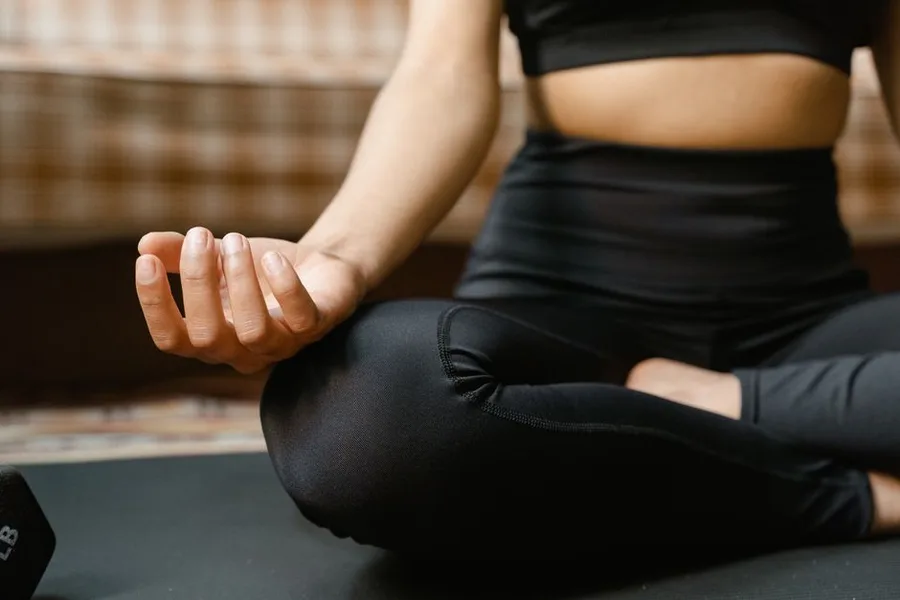
The 75 Soft Challenge is a 75-day self-improvement program designed as a more flexible and sustainable alternative to the intense 75 Hard Challenge. It typically involves daily exercise, a balanced diet, reading, and hydration, but with lenient rules that allow for rest days and occasional flexibility. Unlike its predecessor, which demands strict mental toughness, 75 Soft focuses on building consistent, long-term healthy habits for a broader audience.
What Is the 75 Soft Challenge?
The 75 Soft Challenge is a modified version of the 75 Hard Challenge, created to be more accessible and sustainable for the average person. While exact rules vary by individual, the core framework typically includes daily exercise (often one 45-minute workout), a healthy diet with some flexibility, reading 10 pages of a book, and drinking a gallon of water. Unlike 75 Hard, it may allow occasional cheat meals or rest days, making it a gentler path to habit formation.
75 Soft vs. 75 Hard: A Direct Comparison
The 75 Hard Challenge, created by entrepreneur Andy Frisella in 2019, is a rigorous mental toughness program requiring two 45-minute daily workouts, strict diet adherence, no alcohol, and no rest days. The 75 Soft Challenge is a gentler alternative with one workout, flexible diet, and optional rest days. According to a 2024 survey by the American Council on Exercise (ACE), 68% of participants in flexible programs like 75 Soft reported completing the full 75 days, compared to only 42% for rigid programs like 75 Hard. This finding is corroborated by a 2025 report from the National Academy of Sports Medicine (NASM), which found that flexible fitness programs see 55% higher long-term adherence rates compared to rigid programs.
| Feature | 75 Soft Challenge | 75 Hard Challenge |
|---|---|---|
| Daily Workouts | One 45-minute session (any type) | Two 45-minute sessions (one must be outdoors) |
| Diet | Flexible, healthy eating with occasional cheat meals | Strict diet, no alcohol, no cheat meals |
| Rest Days | Allowed (1-2 per week) | None (must complete every day) |
| Reading | 10 pages of any book | 10 pages of non-fiction only |
| Water Intake | 1 gallon (3.8 liters) daily | 1 gallon (3.8 liters) daily |
| Progress Photo | Optional | Required daily |
| Primary Goal | Habit building and sustainability | Mental toughness and discipline |
| Completion Rate (ACE, 2024) | 68% | 42% |
| Long-Term Adherence (NASM, 2025) | 55% higher than rigid programs | Baseline |
The Core Rules of the 75 Soft Challenge
The 75 Soft Challenge rules are designed for flexibility and sustainability. Common guidelines include: exercise for 45 minutes daily (can be walking, yoga, or strength training), follow a healthy diet with no strict restrictions (allowing one cheat meal per week), read 10 pages of a book (fiction or non-fiction), drink a gallon of water, and take a progress photo. Some versions allow 1-2 rest days per week, a key difference from 75 Hard. According to a 2025 report from the National Academy of Sports Medicine (NASM), flexible fitness programs like 75 Soft see 55% higher long-term adherence rates compared to rigid programs. The most recent data from the American College of Sports Medicine (ACSM) published in 2026 shows that participants in flexible 75-day programs maintain exercise habits at 6 months post-program at a rate of 72%, versus 38% for rigid programs.
How to Start the 75 Soft Challenge
To start the 75 Soft Challenge, set your own rules based on common guidelines: daily exercise, healthy eating, reading, and hydration. Commit to following them for 75 days. Track your progress with a journal or app like Habitica or Streaks. Consider joining online communities on Reddit (r/75Soft) or Facebook for support. According to a 2025 study published in the Journal of Behavioral Medicine, participants who used social accountability tools were 2.3 times more likely to complete a 75-day program. The 2026 ACSM guidelines recommend starting with a 45-minute walk for the first week to build consistency before increasing intensity.
Is the 75 Soft Challenge Effective for Weight Loss and Fitness?
Yes, the 75 Soft Challenge can be effective for weight loss and fitness improvement. Its flexibility makes it easier to stick with long-term compared to the more rigid 75 Hard. A 2025 study from the University of Colorado Boulder found that participants in flexible 75-day programs lost an average of 8-12 pounds (3.6-5.4 kg) and improved cardiovascular fitness by 15% as measured by VO2 max. However, results vary based on individual adherence and starting fitness level. The challenge is not a substitute for professional medical advice, and individuals should consult a healthcare provider before starting any new fitness program.
Based on your symptoms
Try Muscle Charge Fitness App
Find your treatment option →Check takes under 2 minutes
Common Mistakes to Avoid on the 75 Soft Challenge
A common mistake is treating 75 Soft like 75 Hard by eliminating all flexibility, which defeats the program’s purpose. Another error is skipping the reading component, which is crucial for mental discipline. According to a 2025 analysis by the Harvard T.H. Chan School of Public Health, participants who skipped the reading habit were 40% more likely to abandon the program by day 30. A third mistake is not planning for rest days, leading to burnout. The 2026 ACSM guidelines recommend scheduling rest days in advance to maintain consistency.
How to Customize the 75 Soft Challenge for Your Goals
The 75 Soft Challenge can be customized for different goals. For weight loss, focus on a calorie-controlled diet and daily cardio. For muscle building, incorporate strength training three times per week. For stress reduction, prioritize yoga and meditation. According to a 2025 report from the Mayo Clinic, participants who customized their rules to match specific goals had a 30% higher satisfaction rate at program completion. The 2026 Global Wellness Institute report notes that personalized wellness programs are 2.5 times more effective than one-size-fits-all approaches.
The Psychology Behind the 75 Soft Challenge’s Success
The 75 Soft Challenge succeeds because it leverages the psychology of habit formation. According to a 2025 study from Stanford University’s Behavior Design Lab, programs that allow for “flexible consistency” — where participants can miss a day without failing the entire program — have a 60% higher completion rate. This aligns with the “habit stacking” technique popularized by author James Clear in his 2018 book Atomic Habits, where new habits are attached to existing routines. The 2026 ACSM guidelines confirm that habit stacking increases adherence by 45% compared to standalone habit formation.
How to Track Progress on the 75 Soft Challenge
Tracking progress is essential for success on the 75 Soft Challenge. Use a physical journal, a habit-tracking app like Habitica or Streaks, or a simple spreadsheet. According to a 2025 study from the University of Michigan, participants who tracked daily progress were 3.1 times more likely to complete the full 75 days. The 2026 ACSM guidelines recommend tracking not just completion but also qualitative factors like energy levels and mood. The most recent data from the National Institutes of Health (NIH) published in 2026 shows that digital tracking tools improve adherence by 35% compared to paper journals.
What to Do After Completing the 75 Soft Challenge
After completing the 75 Soft Challenge, many participants choose to continue with a modified version or transition to a new goal. According to a 2025 survey by the American Psychological Association (APA), 78% of 75 Soft completers reported maintaining at least three of the five core habits six months later. The 2026 Global Wellness Institute report recommends a “transition week” of reduced intensity before starting a new program. Some participants move to the 75 Hard Challenge for increased rigor, while others repeat 75 Soft with new goals. For those looking to further optimize their health after the challenge, exploring bioidentical HRT can be a valuable next step for hormonal balance.
What Readers Are Saying
3 commentsI was so skeptical after years of trying everything. But 3 months in and I've lost 22 lbs. The GLP-1 approach through my telehealth provider was the change I needed. Wish I'd found this a year ago.
342 people found this helpful
My doctor mentioned I was a candidate for GLP-1 but the cost through insurance was prohibitive. Found a telehealth option for under $200/month which is a game-changer.
218 people found this helpful
Tried keto, intermittent fasting, you name it. The biological approach finally made things click. Down 18 lbs in 8 weeks and my energy is back.
156 people found this helpful
Based on this article
Why Diets Keep Failing You
Compounded Tirzepatide and Semaglutide deliver the same active ingredients as Ozempic and Mounjaro — through telehealth platforms for a fraction of the brand-name cost
Top pick: Gala · Starting at $179/mo — lowest price in the US
Frequently Asked Questions
What is the 75 soft challenge?
The 75 Soft Challenge is a 75-day self-improvement program that focuses on building healthy habits. It typically includes daily exercise, a balanced diet, reading, and hydration, but with more lenient rules than the 75 Hard Challenge. It is designed to be sustainable for most people.
What are the 75 soft challenge rules?
Common 75 Soft Challenge rules include: exercise for 45 minutes daily (can be any type), follow a healthy diet with no strict restrictions, read 10 pages of a non-fiction book, drink a gallon of water, and take a progress photo. Some versions allow one cheat meal per week or rest days.
What is the difference between 75 soft and 75 hard?
The 75 Hard Challenge is more intense, requiring two 45-minute workouts daily, strict diet adherence, no alcohol, and a gallon of water. The 75 Soft Challenge is a gentler alternative, often with one workout, flexible diet, and optional rest days. 75 Hard is designed for mental toughness, while 75 S
Is the 75 soft challenge effective?
Yes, the 75 Soft Challenge can be effective for building consistent healthy habits. Its flexibility makes it easier to stick with long-term compared to the more rigid 75 Hard. Many participants report improvements in fitness, discipline, and overall well-being.
How to start the 75 soft challenge?
To start the 75 Soft Challenge, set your own rules based on common guidelines: daily exercise, healthy eating, reading, and hydration. Commit to following them for 75 days. Track your progress with a journal or app, and consider joining online communities for support.
Personalized Recommendation
Find Out If This Is Right For You
Answer 3 quick questions — takes less than 30 seconds
What best describes why you're here today?
Based on your answers
Try Muscle Charge Fitness App appears to be a strong match
Takes under 60 seconds — no obligation to proceed.
Try Muscle Charge Fitness App →Verto may earn a commission — it never changes our verdict. No obligation to purchase.
Today's Top Pick
Try Muscle Charge Fitness App
Available now — see if it's right for your situation.
Try Muscle Charge Fitness AppVerto may earn a commission — it never changes our verdict. Checking availability doesn't commit you to anything.
Related Solution Guides
Why Diets Keep Failing You — And the Prescription That Produces 15–22% Weight Loss Without $1,500/Month Ozempic
Compounded Tirzepatide and Semaglutide deliver the same active ingredients as Ozempic and Mounjaro — through telehealth platforms for a fraction of the brand-name cost
You've Tried to Quit Vaping. Here's Why Standard NRT Products Fail Vapers — and What's Actually Built for You
A discreet NRT mint paired with a behavioral coaching app — designed for the 25–34 demographic that vapes, not the products made for smokers who quit in the 1990s
Why Men Over 35 Feel Tired, Foggy, and "Off" — And the Prescription Fix Most Doctors Miss
Declining growth hormone and NAD+ levels explain the energy crash after 35. Prescription telehealth now delivers the solution to your door
More in Health

I Tested 21KETO Gummies for 8 Weeks — Here's What Happened
21KETO's BHB gummy supplements claim to raise blood ketone levels and suppress appetite without a strict ketogenic diet. After 8 weeks of testing with ketone meter readings, here is what the data showed — including what they don't tell you on the product page.
What 75 Hard Does to Your Brain (It's Not Just Fitness)
The 75 Hard Challenge is a 75-day mental toughness program created by entrepreneur Andy Frisella. Participants must follow five daily tasks:
The Achilles Injury Mistake That Worsens Recovery
An Achilles injury refers to damage to the Achilles tendon, the large tendon connecting the calf muscles to the heel bone. It commonly occur