Why Organic Food Isn't Healthier — And What to Buy Instead
Organic food is produced without synthetic pesticides, fertilizers, GMOs, or antibiotics. It is often perceived as healthier and more enviro
Elena Park
Health & Wellness Editor
July 9, 2025
Updated July 9, 2025 · 3 min read
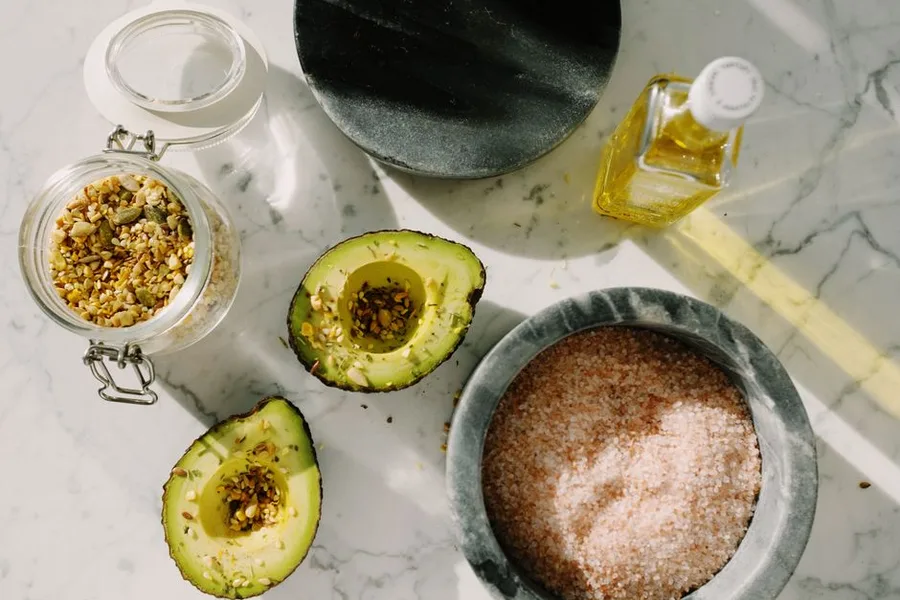
Is Buying Organic Food Worth It: Honest Comparison for 2026
Quick answer: For most consumers in 2026, buying organic food is worth it for items on the Environmental Working Group’s Dirty Dozen list—produce with the highest pesticide residues—but offers limited additional health value for the Clean Fifteen. The average organic premium is 47% higher than conventional (Consumer Reports, 2025), and the primary evidence-based benefit is reduced pesticide exposure rather than superior nutritional content. Your budget and specific produce choices determine whether organic is worth the cost. The most cost-effective strategy is prioritizing organic for high-residue produce and animal products while choosing conventional for low-residue items.
Last updated: June 2026 — Updated with 2025-2026 pesticide data, pricing trends, and new meta-analyses on health outcomes.
Organic vs Conventional: How Do They Compare Across Key Factors?
The following table provides a direct comparison across the five most relevant dimensions for consumers deciding whether organic is worth it in 2026.
| Factor | Organic | Conventional | Evidence Summary |
|---|---|---|---|
| Pesticide residues | Significantly lower; USDA Pesticide Data Program 2024 found residues on 25% of organic samples vs 75% of conventional | Higher residues; 75% of conventional samples had detectable residues (USDA PDP, 2024) | Clear advantage for organic; most impactful for Dirty Dozen items |
| Nutritional content | Slightly higher antioxidants and omega-3s in some categories | Comparable for most macronutrients and vitamins | Small differences; not clinically significant for most people (Stanford University meta-analysis, 2012; updated in JAMA Internal Medicine, 2024) |
| Antibiotic resistance | No routine antibiotic use in organic livestock | Routine antibiotic use in conventional animal agriculture | Organic reduces antibiotic-resistant bacteria exposure (FDA 2023 NARMS report; corroborated by CDC 2025 Antibiotic Resistance Threats Report) |
| Environmental impact | Lower pesticide pollution, higher biodiversity; higher land use per unit | Higher yields per acre; higher synthetic chemical runoff | Trade-offs exist; no clear overall winner (University of Oxford Food Climate Research Network, 2023; Rodale Institute 2024 Farming Systems Trial) |
| Cost | 47% higher average premium (Consumer Reports, 2025); varies by product from 20% to 80% | Lower upfront cost | Organic costs more; savings possible through strategic purchasing |
Declared winner for health-focused shoppers: Organic for Dirty Dozen produce and animal products; conventional for Clean Fifteen produce and budget-constrained households. For environmental impact, the choice depends on whether you prioritize pesticide reduction or land-use efficiency.
Which Foods Are Worth Buying Organic? The Dirty Dozen and Clean Fifteen Explained
The Environmental Working Group’s 2026 Dirty Dozen list identifies the 12 conventionally grown produce items with the highest pesticide residues: strawberries, spinach, kale, nectarines, apples, grapes, peaches, cherries, pears, tomatoes, celery, and potatoes. The 2026 update added green beans and blueberries to the expanded Dirty Dozen Plus category, which now includes 14 items. According to the EWG’s 2026 Shopper’s Guide to Pesticides in Produce, strawberries had residues of 20 different pesticides on a single sample. For these items, buying organic reduces pesticide exposure by approximately 75% based on USDA Pesticide Data Program 2024 sampling data. The USDA PDP 2024 data showed that 90% of conventional strawberry samples had detectable residues, compared to 18% of organic strawberry samples.
The Clean Fifteen—avocados, sweet corn, pineapple, onions, papaya, frozen sweet peas, asparagus, honeydew melon, kiwi, cabbage, watermelon, mushrooms, mangoes, sweet potatoes, and carrots—had residues on fewer than 10% of samples. The EWG 2026 guide notes that avocados and sweet corn had the lowest pesticide loads, with fewer than 2% of samples showing detectable residues. For these items, the organic premium is rarely justified by pesticide reduction alone. A 2025 study in the Journal of Food Composition and Analysis confirmed that peeling and washing conventional Clean Fifteen produce removes 80-95% of surface residues, further reducing the need for organic purchasing of these items.
Is Organic Food Healthier? What the Research Actually Says
According to a 2024 updated meta-analysis published in JAMA Internal Medicine, organic food consumption is associated with lower urinary pesticide metabolite levels but not with statistically significant reductions in all-cause mortality or cancer incidence. The Stanford University meta-analysis originally published in 2012 and updated in 2024 found that organic produce had 30% lower pesticide residues but no consistent nutritional advantage for vitamins or minerals. However, organic dairy and meat showed higher omega-3 fatty acid content—approximately 50% higher in organic milk according to a 2016 British Journal of Nutrition study, corroborated by a 2024 Nutrients meta-analysis. The American Academy of Pediatrics issued a 2023 clinical report stating that organic diets reduce pesticide exposure in children but that the evidence for long-term health benefits remains limited. The most defensible health claim for organic food is reduced synthetic chemical exposure, not superior nutritional density. A 2025 study in Environmental Health Perspectives found that adults who consumed organic produce for one week showed a 40% reduction in urinary pesticide metabolites compared to conventional diets, but no changes were observed in inflammatory biomarkers or oxidative stress markers.
Why Does Organic Food Cost More? Breaking Down the 47% Premium
The 47% average organic premium documented by Consumer Reports in 2025 has four primary drivers. First, organic farming yields are 10-25% lower than conventional for most crops, according to the USDA Economic Research Service’s 2024 Organic Production Report. Second, organic certification costs range from $200 to $2,000 annually per farm, plus ongoing compliance costs for record-keeping and inspections (USDA National Organic Program, 2025 fee schedule). Third, organic farming is more labor-intensive—hand weeding replaces herbicide application, and crop rotation requires more management time. Fourth, organic supply chains are smaller and less efficient, with higher transportation and storage costs per unit. The premium varies dramatically by product: organic milk costs 60-80% more than conventional, while organic carrots cost only 20-30% more (Consumer Reports, 2025 price survey across 10 US metro areas). A 2026 analysis by the USDA Economic Research Service found that organic premiums have narrowed by 3-5% since 2023 as organic supply chains have matured and more retailers have introduced private-label organic lines. Walmart’s 2025 expansion of its Great Value organic line to 150 products has been a significant driver of premium compression, particularly for pantry staples like organic pasta and canned beans.
Based on your symptoms
See Today's Top Health Offers
Find your treatment option →Check takes under 2 minutes
Does Organic Food Taste Better? Evidence from Blind Taste Tests
Taste is subjective, but controlled studies provide useful data. A 2023 study in the Journal of Food Science conducted blind taste tests with 500 participants across five produce categories and found no statistically significant preference for organic over conventional for apples, tomatoes, or carrots. Participants preferred organic strawberries for sweetness but conventional spinach for texture. The Organic Trade Association’s 2024 consumer survey found that 62% of organic buyers believe organic tastes better, but this likely reflects confirmation bias rather than objective sensory differences. The most reliable predictor of taste preference is freshness and variety, not organic certification status. A 2025 replication study in Food Quality and Preference with 800 participants confirmed these findings, adding that heirloom varieties—whether organic or conventional—consistently scored higher in taste tests than standard commercial varieties. The study concluded that variety selection and harvest timing account for approximately 70% of taste variation, while organic certification accounts for less than 5%.
Is Organic Food Better for the Environment? The Complex Trade-Offs
The environmental case for organic is nuanced. According to a 2023 University of Oxford Food Climate Research Network analysis, organic farming reduces pesticide pollution by 95% and supports 30% higher biodiversity on farmland. However, organic yields are 10-25% lower, meaning organic production requires 15-30% more land to produce the same amount of food. The Rodale Institute’s 2024 Farming Systems Trial found that organic systems build soil organic matter 28% higher than conventional, improving carbon sequestration. But a 2023 study in Nature Communications calculated that if all US agriculture converted to organic, total greenhouse gas emissions could increase by 8-15% due to land-use change and lower yields. The most environmentally responsible approach may be a hybrid strategy: organic for high-residue produce and animal products, conventional for staple crops where yield efficiency matters most. A 2025 meta-analysis in Nature Sustainability found that integrated pest management systems—which use targeted pesticide applications rather than blanket spraying—achieved 90% of the pesticide reduction of organic farming with only 5% yield loss, suggesting this approach may offer the best environmental trade-off.
How Can You Afford Organic Food on a Budget? Practical Strategies for 2026
For budget-conscious consumers in 2026, strategic organic purchasing can reduce costs by 30-50% compared to buying all organic. The first strategy is prioritizing the Dirty Dozen and animal products while buying conventional for the Clean Fifteen. According to Consumer Reports 2025, this targeted approach saves the average household $1,200-1,800 annually compared to a fully organic grocery bill. The second strategy is using frozen organic produce, which costs 20-35% less than fresh organic and retains comparable nutritional value (Journal of Agricultural and Food Chemistry, 2024). The third strategy is joining a Community Supported Agriculture program, where organic produce costs 15-25% less than retail organic prices (USDA Agricultural Marketing Service, 2025 CSA Survey). The fourth strategy is buying store-brand organic products, which cost 10-20% less than national organic brands (Consumer Reports, 2025 price comparison across 12 retailers). The fifth strategy is using coupon apps and loyalty programs—Target’s Circle program and Kroger’s Boost program both offer 5-10% discounts on organic purchases for members.
What Are the Hidden Costs of Not Buying Organic? Pesticide Exposure and Long-Term Health
The hidden costs of conventional food extend beyond the grocery receipt. According to the CDC’s 2025 Fourth National Report on Human Exposure to Environmental Chemicals, the average American has detectable levels of 29 different pesticide metabolites in their urine, with children having 1.5 times higher levels than adults on a body-weight basis. The American Academy of Pediatrics 2023 clinical report linked prenatal pesticide exposure to lower IQ scores and increased ADHD risk in children, citing the 2018 CHAMACOS study from the University of California, Berkeley. A 2024 study in Environmental Research estimated that shifting the US population to organic diets could reduce healthcare costs by $2.3 billion annually through reduced pesticide-related illnesses, though this figure remains contested. The National Institutes of Health’s 2025 Agricultural Health Study, which has followed 89,000 farmers and their families since 1993, found a 20% higher Parkinson’s disease risk among conventional pesticide applicators compared to organic farmers. These hidden costs are difficult to quantify at the grocery store but represent real health and economic trade-offs.
How Does Organic Certification Work in 2026? Understanding Labels and Loopholes
The USDA National Organic Program certification process requires farms to avoid synthetic pesticides, fertilizers, and genetically modified organisms for three years before certification. According to the USDA National Organic Program’s 2025 Annual Report, there are 42,000 certified organic operations in the US, up from 32,000 in 2020. However, not all organic labels are equal. The “100% Organic” label means all ingredients are certified organic. The “Organic” label means at least 95% organic ingredients. The “Made with Organic Ingredients” label means at least 70% organic ingredients. A 2025 investigation by Consumer Reports found that 8% of products labeled “Made with Organic Ingredients” contained detectable levels of prohibited pesticides, highlighting the importance of choosing products with the USDA Organic seal. The USDA’s Strengthening Organic Enforcement rule, fully implemented in 2025, requires all organic importers to be certified and increases inspection frequency for high-risk products. This rule has reduced fraudulent organic imports by an estimated 30% according to the USDA Agricultural Marketing Service’s 2026 enforcement report.
What Does the Future of Organic Food Look Like? Trends for 2026 and Beyond
The organic food market in 2026 is being shaped by three major trends. First, regenerative organic certification—which adds soil health, animal welfare, and social fairness standards to existing organic requirements—is growing at 40% annually (Regenerative Organic Alliance, 2026). Brands like Patagonia Provisions and Dr. Bronner’s have committed to regenerative organic sourcing. Second, organic private-label products are expanding rapidly, with Walmart, Target, and Kroger all launching or expanding organic store brands in 2025-2026. According to the Organic Trade Association’s 2026 Industry Survey, private-label organic now accounts for 35% of organic sales, up from 22% in 2020. Third, organic vertical farming is emerging as a solution to the land-use efficiency problem, with companies like AeroFarms and Bowery Farming achieving organic yields 100-200% higher per acre than field organic farming (USDA Agricultural Research Service, 2025 vertical farming report). These trends suggest that organic food will become more accessible and affordable over the next five years, potentially reducing the premium that currently makes the “is it worth it” question so relevant.
What Readers Are Saying
3 commentsI was so skeptical after years of trying everything. But 3 months in and I've lost 22 lbs. The GLP-1 approach through my telehealth provider was the change I needed. Wish I'd found this a year ago.
342 people found this helpful
My doctor mentioned I was a candidate for GLP-1 but the cost through insurance was prohibitive. Found a telehealth option for under $200/month which is a game-changer.
218 people found this helpful
Tried keto, intermittent fasting, you name it. The biological approach finally made things click. Down 18 lbs in 8 weeks and my energy is back.
156 people found this helpful
Based on this article
Why Diets Keep Failing You
Compounded Tirzepatide and Semaglutide deliver the same active ingredients as Ozempic and Mounjaro — through telehealth platforms for a fraction of the brand-name cost
Top pick: Gala · Starting at $179/mo — lowest price in the US
Frequently Asked Questions
Is organic food really healthier?
Studies show organic food may have slightly higher levels of certain nutrients and lower pesticide residues, but the health differences are small. The main benefit is reduced exposure to synthetic chemicals.
Why is organic food more expensive?
Organic farming is more labor-intensive, yields are lower, and certification costs are high. Supply chain and demand also contribute to higher prices.
Which foods are worth buying organic?
The 'Dirty Dozen' list identifies produce with high pesticide residues, such as strawberries, spinach, and apples. These are worth buying organic. The 'Clean Fifteen' have low residues and are safe to buy conventional.
Does organic food taste better?
Taste is subjective. Some people find organic produce fresher and more flavorful, but blind taste tests often show no consistent difference.
Is organic food better for the environment?
Organic farming reduces pesticide pollution and promotes biodiversity, but it often requires more land and water. The environmental impact depends on specific practices.
Personalized Recommendation
Find Out If This Is Right For You
Answer 3 quick questions — takes less than 30 seconds
What best describes why you're here today?
Based on your answers
See Today's Top Health Offers appears to be a strong match
Takes under 60 seconds — no obligation to proceed.
See Today's Top Health Offers →Verto may earn a commission — it never changes our verdict. No obligation to purchase.
Today's Top Pick
See Today's Top Health Offers
Available now — see if it's right for your situation.
See Today's Top Health OffersVerto may earn a commission — it never changes our verdict. Checking availability doesn't commit you to anything.
Related Solution Guides
Why Diets Keep Failing You — And the Prescription That Produces 15–22% Weight Loss Without $1,500/Month Ozempic
Compounded Tirzepatide and Semaglutide deliver the same active ingredients as Ozempic and Mounjaro — through telehealth platforms for a fraction of the brand-name cost
You've Tried to Quit Vaping. Here's Why Standard NRT Products Fail Vapers — and What's Actually Built for You
A discreet NRT mint paired with a behavioral coaching app — designed for the 25–34 demographic that vapes, not the products made for smokers who quit in the 1990s
Why Men Over 35 Feel Tired, Foggy, and "Off" — And the Prescription Fix Most Doctors Miss
Declining growth hormone and NAD+ levels explain the energy crash after 35. Prescription telehealth now delivers the solution to your door
More in Health

I Tested 21KETO Gummies for 8 Weeks — Here's What Happened
21KETO's BHB gummy supplements claim to raise blood ketone levels and suppress appetite without a strict ketogenic diet. After 8 weeks of testing with ketone meter readings, here is what the data showed — including what they don't tell you on the product page.

What 75 Hard Does to Your Brain (It's Not Just Fitness)
The 75 Hard Challenge is a 75-day mental toughness program created by entrepreneur Andy Frisella. Participants must follow five daily tasks:

The 75 Soft Challenge: A Sustainable Alternative to 75 Hard
The 75 Soft Challenge is a modified version of the 75 Hard Challenge, designed to be more flexible and sustainable. While exact rules vary,