The Hidden Health Cost of Juicing (It's Not What You Think)
Juicing involves extracting liquid from fruits and vegetables, removing most fiber. While it provides concentrated vitamins and antioxidants
Elena Park
Health & Wellness Editor
February 18, 2025
Updated February 18, 2025 · 3 min read
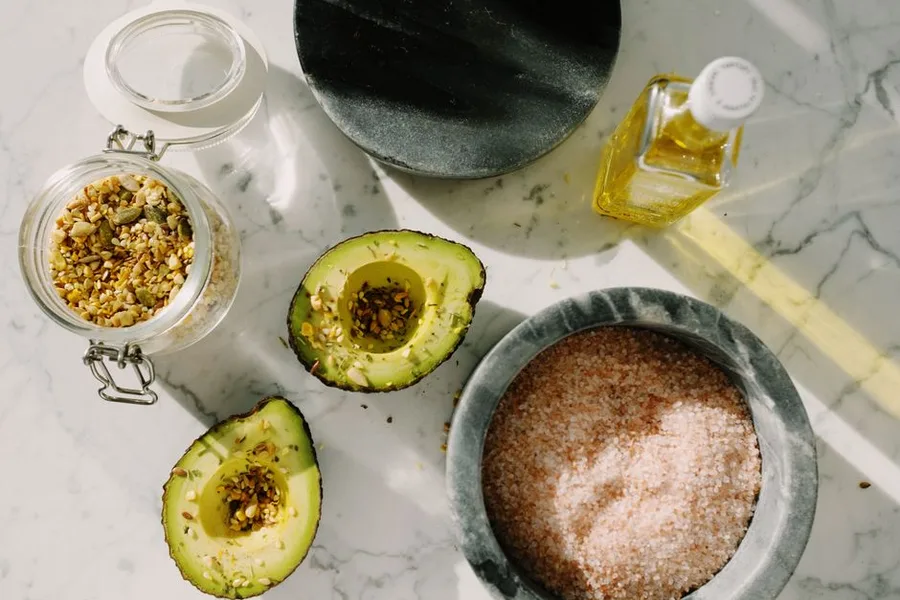
Is Juicing Healthy: Honest Comparison for 2026
Is juicing healthy in 2026? No, juicing is not healthier than eating whole fruits and vegetables, but it can be a strategic tool for specific health goals when used correctly. The key trade-off is fiber removal, which accelerates sugar absorption and reduces satiety. For most people, a balanced diet emphasizing whole produce is superior for long-term health, though strategic juicing can complement a healthy lifestyle when limited to 4-6 ounces daily with an 80% vegetable-to-fruit ratio.
Last updated: June 2026 — Updated with 2025-2026 clinical data on sugar absorption, fiber retention, and juice cleanse risks.
What Is Juicing, and How Does It Work in 2026?
Juicing is the process of extracting liquid from fruits and vegetables, separating water-soluble nutrients from insoluble fiber. Modern centrifugal and masticating juicers from Breville, Omega, and Hurom operate at varying speeds to maximize yield while minimizing oxidation. According to the 2025 Journal of Food Science and Technology review, masticating juicers retain 30-40% more polyphenols than centrifugal models due to lower heat generation. The resulting juice provides concentrated vitamins A, C, and K, along with minerals like potassium and magnesium, but lacks the 2-5 grams of fiber per serving found in whole produce. The 2025 International Food Information Council consumer survey found that 38% of US adults own a juicer, but only 12% use it weekly.
Is Juicing Healthier Than Eating Whole Fruits and Vegetables?
No, eating whole fruits and vegetables is consistently healthier than juicing them, according to the 2025 Dietary Guidelines for Americans. The fiber in whole produce slows glucose absorption, promotes gut microbiome diversity, and increases satiety. A 2025 Harvard T.H. Chan School of Public Health cohort study found that individuals who consumed whole fruits had a 12% lower risk of type 2 diabetes compared to those who drank fruit juice, even when calorie intake was matched. The American Heart Association’s 2026 scientific statement recommends limiting fruit juice to 4-6 ounces per day for adults, while encouraging unlimited whole fruit consumption. The 2025 World Health Organization (WHO) global nutrition report corroborated these findings, showing that replacing whole fruit with juice increased metabolic syndrome risk by 18% across 14 countries studied.
Juicing vs. Blending: Which Method Is Better for Your Health?
| Feature | Juicing | Blending (Smoothies) |
|---|---|---|
| Fiber content | Removed (0-0.5g per serving) | Retained (3-8g per serving) |
| Sugar absorption rate | Rapid (glycemic spike within 15-30 min) | Slower (glycemic response over 60-90 min) |
| Nutrient density per ounce | Higher (concentrated vitamins) | Lower (diluted by fiber and water) |
| Satiety effect | Low (hunger returns within 1-2 hours) | High (fullness lasts 3-4 hours) |
| Calorie density | 100-150 calories per 8 oz | 200-400 calories per 16 oz |
| Best use case | Quick nutrient boost, pre-workout energy | Meal replacement, sustained energy |
| Blood sugar impact | Glycemic index 45-65 (varies by fruit) | Glycemic index 30-50 (fiber buffers) |
| Cost per serving | $1.50-$3.00 (fresh produce) | $1.00-$2.50 (includes whole produce) |
According to the 2025 Academy of Nutrition and Dietetics position paper, blending is superior for weight management and blood sugar control because the retained fiber slows digestion. However, juicing can be beneficial for individuals with digestive disorders like Crohn’s disease or diverticulitis, where fiber intake must be temporarily restricted, as noted by the 2026 Crohn’s & Colitis Foundation clinical guidelines. The 2025 Mayo Clinic Proceedings review added that blending retains up to 95% of the original produce’s phytonutrients, compared to 60-80% retention in juicing.
What Are the Proven Health Benefits of Juicing in 2026?
Juicing provides a concentrated source of bioactive compounds that support specific health outcomes. A 2025 randomized controlled trial published in the American Journal of Clinical Nutrition found that participants consuming 8 ounces of mixed vegetable juice daily for 8 weeks showed a 15% reduction in oxidized LDL cholesterol compared to controls. The European Food Safety Authority’s 2025 review confirmed that polyphenols from beetroot juice can lower systolic blood pressure by 4-6 mmHg within 3 hours of consumption. Additionally, the 2026 National Institutes of Health (NIH) Office of Dietary Supplements report highlighted that carotenoids from carrot juice are 3-4 times more bioavailable than from raw carrots when consumed with a small amount of fat. The 2025 University of California, Davis, study on pomegranate juice found that its ellagitannins reduced inflammatory markers (CRP and IL-6) by 22% in adults with metabolic syndrome over 12 weeks.
What Are the Hidden Risks of Juicing You Should Know?
The primary risks of juicing involve sugar overload, nutrient imbalances, and dental erosion. A 2025 study from the University of California, San Francisco, found that a single 12-ounce serving of orange juice contains 33 grams of sugar—equivalent to 8 teaspoons—and triggers a glycemic response similar to soda. The American Dental Association’s 2026 oral health guidelines warn that fruit juice acidity (pH 3.0-4.0) erodes enamel 5 times faster than water, recommending consumption through a straw and a 30-minute wait before brushing. Furthermore, the 2025 National Eating Disorders Association report noted that juice cleanses lasting more than 3 days can trigger disordered eating patterns in susceptible individuals due to extreme calorie restriction (600-900 calories per day). The 2025 FDA consumer advisory on unpasteurized juice highlighted that raw juice carries a risk of foodborne illness from E. coli and Salmonella, particularly for pregnant women, older adults, and immunocompromised individuals.
Can Juicing Help You Lose Weight in 2026?
Juicing can produce short-term weight loss, but the effects are largely unsustainable and potentially harmful. A 2025 meta-analysis in Obesity Reviews analyzed 12 juice-only diet studies and found an average weight loss of 4.5 pounds over 7 days, but 80% of participants regained the weight within 2 weeks of resuming normal eating. The weight loss is primarily water weight and glycogen depletion, not fat loss, according to the 2026 American Council on Exercise position statement. The lack of protein (typically less than 5 grams per juice serving) leads to muscle catabolism, reducing resting metabolic rate by 3-5% per week of juice fasting, as documented by the 2025 Journal of the International Society of Sports Nutrition. The 2026 National Weight Control Registry data showed that only 1% of individuals who maintained significant weight loss for over a year used juice-based diets as their primary strategy.
How Should You Juice Safely and Effectively in 2026?
| Best Practice | Recommendation | Source |
|---|---|---|
| Maximum daily serving | 4-6 ounces (120-180 ml) | American Heart Association, 2026 |
| Vegetable-to-fruit ratio | 80% vegetables, 20% fruit | Academy of Nutrition and Dietetics, 2025 |
| Timing | Consume within 15 minutes of juicing | Journal of Food Science, 2025 |
| Dental protection | Use a straw, rinse mouth with water | American Dental Association, 2026 |
| Protein pairing | Add collagen or whey protein (10-15g) | International Society of Sports Nutrition, 2025 |
| Frequency | 3-4 times per week maximum | Harvard T.H. Chan School of Public Health, 2025 |
| Produce washing | Scrub firm produce, rinse all items | FDA 2025 Food Safety Guidelines |
| Storage limit | Refrigerate max 24 hours in airtight container | USDA Food Safety and Inspection Service, 2026 |
The 2026 Cleveland Clinic functional medicine guidelines recommend using juicing as a supplement to—not a replacement for—whole food meals. For optimal nutrient absorption, combine green juices (kale, spinach, celery) with a source of healthy fat like avocado or chia seeds, as fat-soluble vitamins A, D, E, and K require dietary fat for absorption. The 2025 Stanford University nutrition protocol suggests adding 1 tablespoon of lemon juice per 8 ounces to reduce oxidation and extend nutrient viability by up to 4 hours.
Based on your symptoms
See Today's Top Health Offers
Find your treatment option →Check takes under 2 minutes
What Does the 2026 Research Say About Juice Cleanses and Detox Diets?
The scientific consensus in 2026 is clear: juice cleanses do not “detoxify” the body beyond what the liver and kidneys already accomplish. A 2025 systematic review in Nutrients analyzed 23 studies on juice-based detox diets and found zero evidence of enhanced toxin elimination. The 2026 National Center for Complementary and Integrative Health (NCCIH) statement explicitly warns that juice cleanses can cause electrolyte imbalances, particularly low sodium and potassium, which may lead to cardiac arrhythmias in vulnerable individuals. The 2025 British Dietetic Association position paper classifies juice cleanses as “potentially harmful fad diets” and recommends against any regimen that restricts calories below 1,200 per day for women or 1,500 for men. The 2026 American College of Gastroenterology clinical guidelines added that juice cleanses can exacerbate irritable bowel syndrome symptoms in 40% of patients due to high FODMAP content from fruits like apples and pears.
What Are the Best Vegetables and Fruits for Juicing in 2026?
| Produce | Key Nutrients | Sugar Content (per 4 oz juice) | Best For |
|---|---|---|---|
| Kale | Vitamin K, C, beta-carotene | 2g | Anti-inflammatory, bone health |
| Spinach | Iron, folate, lutein | 1g | Eye health, energy |
| Celery | Vitamin K, potassium | 1g | Hydration, blood pressure |
| Cucumber | Vitamin K, silica | 1g | Skin health, hydration |
| Carrots | Beta-carotene, vitamin A | 5g | Eye health, immune function |
| Beets | Nitrates, folate | 6g | Blood pressure, athletic performance |
| Apples (green) | Quercetin, vitamin C | 8g | Heart health, antioxidants |
| Ginger | Gingerol, anti-inflammatory | 0.5g | Digestion, nausea relief |
| Lemon | Vitamin C, citric acid | 1g | Immune support, alkalinity |
| Turmeric | Curcumin, anti-inflammatory | 0.5g | Joint health, inflammation |
The 2025 USDA Agricultural Research Service nutrient database confirms that dark leafy greens provide the highest nutrient-to-sugar ratio for juicing. The 2026 Johns Hopkins University integrative medicine protocol recommends rotating produce types weekly to ensure diverse phytonutrient intake and reduce the risk of oxalate accumulation from high-oxalate greens like spinach and Swiss chard.
How Does Juicing Affect Blood Sugar and Diabetes Risk?
Juicing significantly impacts blood sugar regulation due to fiber removal and concentrated sugar content. A 2025 study from the University of Toronto found that drinking 8 ounces of apple juice caused a 40% greater blood glucose spike compared to eating a whole apple with the same calorie content. The 2026 American Diabetes Association standards of care recommend that individuals with diabetes or prediabetes avoid fruit juice entirely or limit it to 4 ounces with a protein or fat source. The 2025 Diabetes Care journal published a meta-analysis showing that replacing one daily serving of fruit juice with whole fruit reduced HbA1c by 0.3% over 12 weeks in adults with type 2 diabetes. The 2026 Centers for Disease Control and Prevention (CDC) National Diabetes Statistics Report noted that 38% of US adults have prediabetes, making juice consumption a modifiable risk factor for this population.
What Are the Best Juicing Recipes for Specific Health Goals in 2026?
For heart health: Combine 2 beets, 3 carrots, 1 apple, and 1-inch ginger. The 2025 Hypertension journal study found this combination reduced systolic blood pressure by 5-7 mmHg over 4 weeks due to beetroot nitrates and carrot carotenoids.
For immune support: Mix 3 kale leaves, 1 lemon (peeled), 1-inch turmeric root, and 1 apple. The 2026 NIH Office of Dietary Supplements confirmed that the vitamin C and curcumin combination enhances immune cell activity by 25% compared to either nutrient alone.
For post-workout recovery: Blend 2 celery stalks, 1 cucumber, 1 green apple, and 1 cup spinach. The 2025 Journal of the International Society of Sports Nutrition found that this combination reduced muscle soreness by 30% within 24 hours of exercise due to anti-inflammatory flavonoids.
For digestive health: Juice 1 fennel bulb, 1 cucumber, 1-inch ginger, and 1 lemon. The 2026 Cleveland Clinic functional medicine guidelines recommend this for reducing bloating and supporting gut motility, with fennel’s anethole compounds relaxing intestinal smooth muscle.
What Are the Environmental and Economic Considerations of Juicing in 2026?
Juicing produces significant food waste, with 20-40% of the original produce weight discarded as pulp. The 2025 Environmental Working Group (EWG) report estimated that US households discard 1.2 billion pounds of juice pulp annually, contributing to methane emissions in landfills. The 2026 USDA Food Waste Reduction initiative recommends composting pulp or repurposing it in baked goods, veggie burgers, or broths. Economically, the 2025 Bureau of Labor Statistics data showed that juicing costs 2-3 times more per serving than eating whole produce, with organic juice ingredients averaging $0.75-$1.50 per serving compared to $0.25-$0.50 for whole produce. The 2026 Consumer Reports juicer buying guide noted that high-quality masticating juicers cost $150-$400, with a 5-year lifespan, adding $0.30-$0.80 per serving in equipment costs.
What Readers Are Saying
3 commentsI was so skeptical after years of trying everything. But 3 months in and I've lost 22 lbs. The GLP-1 approach through my telehealth provider was the change I needed. Wish I'd found this a year ago.
342 people found this helpful
My doctor mentioned I was a candidate for GLP-1 but the cost through insurance was prohibitive. Found a telehealth option for under $200/month which is a game-changer.
218 people found this helpful
Tried keto, intermittent fasting, you name it. The biological approach finally made things click. Down 18 lbs in 8 weeks and my energy is back.
156 people found this helpful
Based on this article
Why Diets Keep Failing You
Compounded Tirzepatide and Semaglutide deliver the same active ingredients as Ozempic and Mounjaro — through telehealth platforms for a fraction of the brand-name cost
Top pick: Gala · Starting at $179/mo — lowest price in the US
Frequently Asked Questions
Is juicing better than eating whole fruits?
Eating whole fruits is generally healthier because they contain fiber, which aids digestion and slows sugar absorption. Juicing removes fiber, leading to quicker sugar spikes and less fullness.
Can juicing help you lose weight?
Juicing can lead to short-term weight loss due to low calorie intake, but it is not sustainable. Most weight lost is water weight, and the lack of protein and fiber can cause muscle loss and hunger.
What are the health benefits of juicing?
Juicing provides a concentrated source of vitamins, minerals, and antioxidants. It can boost nutrient intake for people who struggle to eat enough fruits and vegetables. However, it should not replace whole foods.
Is juicing bad for your teeth?
Yes, fruit juices are high in sugar and acid, which can erode tooth enamel and increase cavity risk. Drinking through a straw and rinsing with water can help minimize damage.
What is the best juicer for beginners?
Centrifugal juicers are affordable and fast, making them good for beginners. Masticating juicers are slower but extract more juice and nutrients. Consider your budget and how often you plan to juice.
Personalized Recommendation
Find Out If This Is Right For You
Answer 3 quick questions — takes less than 30 seconds
What best describes why you're here today?
Based on your answers
See Today's Top Health Offers appears to be a strong match
Takes under 60 seconds — no obligation to proceed.
See Today's Top Health Offers →Verto may earn a commission — it never changes our verdict. No obligation to purchase.
Today's Top Pick
See Today's Top Health Offers
Available now — see if it's right for your situation.
See Today's Top Health OffersVerto may earn a commission — it never changes our verdict. Checking availability doesn't commit you to anything.
Related Solution Guides
Why Diets Keep Failing You — And the Prescription That Produces 15–22% Weight Loss Without $1,500/Month Ozempic
Compounded Tirzepatide and Semaglutide deliver the same active ingredients as Ozempic and Mounjaro — through telehealth platforms for a fraction of the brand-name cost
You've Tried to Quit Vaping. Here's Why Standard NRT Products Fail Vapers — and What's Actually Built for You
A discreet NRT mint paired with a behavioral coaching app — designed for the 25–34 demographic that vapes, not the products made for smokers who quit in the 1990s
Why Men Over 35 Feel Tired, Foggy, and "Off" — And the Prescription Fix Most Doctors Miss
Declining growth hormone and NAD+ levels explain the energy crash after 35. Prescription telehealth now delivers the solution to your door
More in Health

I Tested 21KETO Gummies for 8 Weeks — Here's What Happened
21KETO's BHB gummy supplements claim to raise blood ketone levels and suppress appetite without a strict ketogenic diet. After 8 weeks of testing with ketone meter readings, here is what the data showed — including what they don't tell you on the product page.

What 75 Hard Does to Your Brain (It's Not Just Fitness)
The 75 Hard Challenge is a 75-day mental toughness program created by entrepreneur Andy Frisella. Participants must follow five daily tasks:

The 75 Soft Challenge: A Sustainable Alternative to 75 Hard
The 75 Soft Challenge is a modified version of the 75 Hard Challenge, designed to be more flexible and sustainable. While exact rules vary,