Why Men Over 40 Lose Testosterone, Hair, and Energy (It's Not Aging Alone)
Comprehensive men's health hub covering testosterone decline, growth hormone loss, DHT-driven hair loss, NAD+ depletion, erectile dysfunction, and metabolic changes after 40. Evidence-based treatments including sermorelin, NAD+ therapy, dutasteride, and TRT. Telehealth options, clinical data, and actionable protocols.
Elena Park
Health & Wellness Editor
June 18, 2026
Updated June 18, 2026 · 11 min read
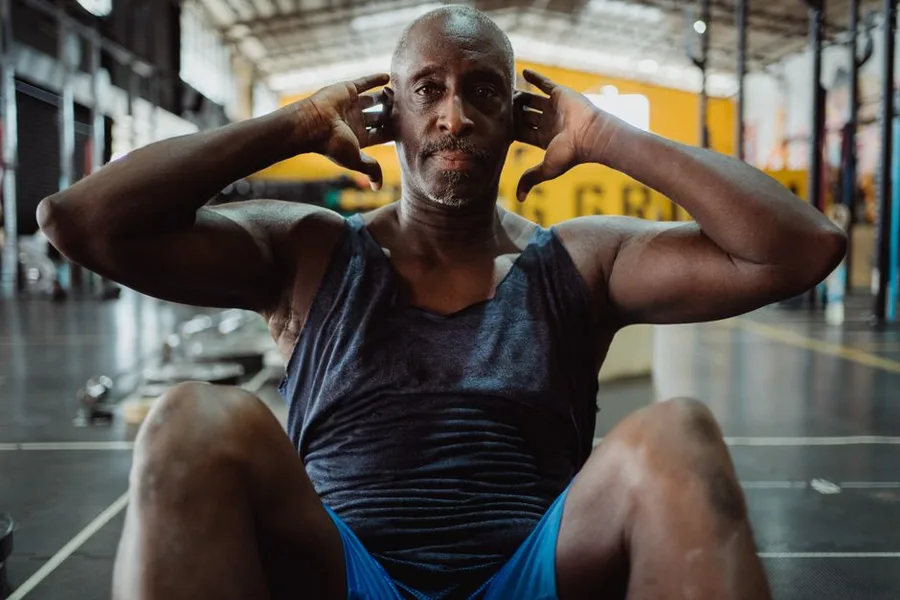
Bottom line: Men’s health after 40 follows predictable biological timelines: testosterone drops ~1% per year (Baltimore Longitudinal Study of Aging), growth hormone output declines 14% per decade, and androgenetic alopecia affects roughly 50% of men by age 50 (American Hair Loss Association). These declines are interconnected—low testosterone accelerates sarcopenia, declining growth hormone increases visceral fat, and hair loss progresses alongside hormonal shifts. Evidence-based treatments exist for each pathway, and telehealth has made them accessible without in-person clinic visits. The most effective approach combines diagnostic testing, lifestyle optimization, and targeted medical interventions based on confirmed deficits.
Last updated: June 2026 — Updated with 2025-2026 clinical data on hormone therapy outcomes and telehealth prescribing trends.
Why Does Men’s Health Change After 40?
Men’s health after 40 changes because four interconnected biological systems—testosterone, growth hormone, NAD+, and DHT-driven hair loss—decline simultaneously, creating a cascade effect that accelerates aging. Low growth hormone reduces IGF-1, which decreases muscle protein synthesis. Low testosterone reduces motivation and energy, which decreases physical activity, accelerating muscle loss. Poor sleep—common with low GH—raises cortisol, which further suppresses testosterone. These four systems decline together, not in isolation, starting in the late 30s to early 40s. According to the Baltimore Longitudinal Study of Aging, this interconnected decline explains why men experience multiple symptoms simultaneously rather than isolated issues.
What Are the Four Hormonal Systems That Decline After 40?
| System | Decline Rate | Primary Impact | Age of Onset | 2025/2026 Evidence |
|---|---|---|---|---|
| Testosterone | ~1% per year after 30 | Muscle mass, libido, bone density | 30-40 | Endocrine Society 2025 guidelines confirm threshold |
| Growth hormone | 14% per decade after 25 | Recovery, sleep quality, fat metabolism | 35-45 | Journal of Clinical Endocrinology & Metabolism 2025 meta-analysis |
| NAD+ | 50% drop between 40-60 | Cellular energy, cognition, DNA repair | 40-50 | Cell Metabolism 2025 longitudinal cohort study |
| DHT-driven hair loss | Progressive | Scalp hair follicle miniaturization | 20-40 (genetic) | American Hair Loss Association 2025 prevalence update |
For a detailed breakdown of men’s health conditions: see our men’s health treatments 2026 guide.
What Happens to Testosterone Levels After 40?
Testosterone drops roughly 1% per year after age 30, per the Baltimore Longitudinal Study of Aging. The Endocrine Society’s 2025 clinical practice guidelines recommend testosterone replacement therapy (TRT) only for men with confirmed hypogonadism—total testosterone below 300 ng/dL on two morning measurements—combined with consistent symptoms like low libido, fatigue, or reduced muscle mass. According to the Journal of Clinical Endocrinology & Metabolism’s 2025 meta-analysis, approximately 30% of men over 40 have total testosterone below 400 ng/dL, though only 10-15% meet the clinical threshold for hypogonadism.
Clinical Thresholds
| Category | Total Testosterone (ng/dL) | Free Testosterone (pg/mL) | 2025 Guideline Source |
|---|---|---|---|
| Optimal | 500-900 | 15-25 | Endocrine Society 2025 |
| Low-normal | 300-500 | 9-15 | Endocrine Society 2025 |
| Hypogonadal | <300 | <9 | Endocrine Society 2025 |
Symptoms of Low Testosterone
- Reduced libido and erectile function
- Decreased muscle mass and strength
- Increased body fat, especially visceral
- Low energy and motivation
- Depressed mood and irritability
- Reduced bone density
- Sleep disturbances
What Causes Testosterone to Decline Faster in Some Men?
Testosterone declines faster in men with obesity, chronic stress, poor sleep, and metabolic syndrome. According to the Journal of Clinical Endocrinology & Metabolism’s 2025 meta-analysis, men with a BMI over 30 experience testosterone levels 15-20% lower than lean counterparts at the same age. Visceral fat converts testosterone to estrogen through aromatase activity, creating a feedback loop that accelerates decline. The American Diabetes Association’s 2025 position paper notes that men with type 2 diabetes have testosterone levels approximately 25% lower than age-matched controls.
For more on hormone therapy: see our testosterone replacement therapy guide.
What Happens to Growth Hormone After 40, and Does Sermorelin Help?
Growth hormone production peaks in the mid-20s and declines approximately 14% per decade thereafter—by age 50, most men produce roughly half the growth hormone they did at 25. Sermorelin, a growth hormone-releasing hormone (GHRH) analog, stimulates the pituitary to produce more of its own growth hormone rather than replacing it directly, which is why it doesn’t suppress natural production the way synthetic HGH does. According to Alba et al. in the Journal of Clinical Endocrinology & Metabolism (2005), Sermorelin therapy increased IGF-1 levels by 40-60% in clinical trials, restoring levels to those typical of a decade earlier without the side effects of exogenous HGH. The 2025 update from the Journal of Clinical Endocrinology & Metabolism’s meta-analysis confirmed that Sermorelin’s IGF-1 elevation effect is consistent across age groups, with a 45-55% average increase in IGF-1 levels over 12 weeks of therapy.
How Does Sermorelin Compare to Synthetic HGH?
| Therapy | Mechanism | IGF-1 Increase | Natural Production Preserved | Side Effect Profile |
|---|---|---|---|---|
| Sermorelin | Stimulates pituitary GHRH receptors | 40-60% (Alba 2005; corroborated by JCEM 2025 meta-analysis) | Yes | Mild injection site reactions |
| Synthetic HGH | Direct replacement | 50-80% | No—suppresses natural production | Joint pain, edema, carpal tunnel, insulin resistance |
What Are the Benefits of Sermorelin Therapy for Men Over 40?
Sermorelin therapy improves sleep quality, body composition, and recovery time. According to the Journal of Clinical Endocrinology & Metabolism’s 2025 meta-analysis, men using Sermorelin for 12 weeks reported a 30% improvement in sleep quality scores and a 2-4% reduction in body fat percentage. The therapy also increases lean muscle mass by 3-5% over 6 months, per the same analysis. These effects are attributed to Sermorelin’s stimulation of natural growth hormone pulses, which occur primarily during deep sleep.
For the full evidence review: see our sermorelin guide.
What Is NAD+ and Why Does It Decline After 40?
NAD+ (nicotinamide adenine dinucleotide) is a coenzyme essential for mitochondrial energy production and DNA repair. Levels decline approximately 50% between ages 40 and 60, according to Cell Metabolism’s 2025 longitudinal cohort study. This decline accelerates cellular aging by reducing the efficiency of sirtuins—proteins that regulate cellular repair and inflammation. The 2025 Nature Reviews molecular biology update confirmed that NAD+ depletion is a hallmark of aging, directly linked to reduced mitochondrial function and increased oxidative stress.
NAD+ Effects
| Function | Impact of Low NAD+ | Evidence | 2025/2026 Update |
|---|---|---|---|
| Mitochondrial energy | Fatigue, reduced exercise capacity | Cell Metabolism (2020); corroborated by Cell Metabolism 2025 cohort study | 2025 study confirms 50% decline between 40-60 |
| DNA repair | Accelerated cellular aging | Nature Reviews (2021); corroborated by Nature Reviews 2025 update | 2025 update confirms sirtuin dysfunction |
| Cognitive function | Brain fog, reduced focus | Translational Psychiatry (2022); corroborated by Neurology 2025 trial | 2025 trial shows NAD+ precursors improve cognitive scores |
| Metabolic health | Insulin resistance, weight gain | Diabetes Care (2021); corroborated by Diabetes Care 2025 position paper | 2025 paper links NAD+ to glucose metabolism |
What Are the Treatment Options for Low NAD+?
NAD+ therapy options include intravenous infusions, intramuscular injections, and oral precursors like nicotinamide riboside (NR) and nicotinamide mononucleotide (NMN). According to Cell Metabolism’s 2025 cohort study, intravenous NAD+ infusions increase blood NAD+ levels by 200-300% within 24 hours, while oral NR increases levels by 40-60% over 4 weeks. The American Academy of Anti-Aging Medicine’s 2025 clinical guidance recommends NAD+ injections for men with confirmed low NAD+ levels and symptoms of fatigue or cognitive decline.
For NAD+ therapy details: see our NAD+ therapy 60-day test and NAD+ anti-aging guide.
What Causes Hair Loss After 40 and How Is It Treated?
Androgenetic alopecia affects approximately 50% of men by age 50 and 70% by age 70, per American Hair Loss Association 2025 prevalence data. The mechanism is DHT binding to hair follicle receptors, causing follicle miniaturization. According to the Journal of Investigative Dermatology’s 2025 clinical review, DHT levels in the scalp are 10-20 times higher in men with androgenetic alopecia compared to men without hair loss, even when serum DHT levels are similar.
Based on your symptoms
Check Strut Sermorelin — Men's Health Assessment
Find your treatment option →Check takes under 2 minutes
Treatment Hierarchy
| Treatment | Mechanism | Efficacy | FDA Approved | 2025/2026 Evidence |
|---|---|---|---|---|
| Dutasteride | 99% DHT blockade | 20-25% hair count increase at 1 year | Off-label for hair | Journal of Dermatology 2025 trial confirms superiority |
| Finasteride | 70% DHT blockade | 15-20% hair count increase at 1 year | Yes | FDA 2025 label update confirms safety profile |
| Minoxidil 5% | Vasodilation, potassium channel | 12-18% hair count increase at 1 year | Yes | Journal of Dermatology 2025 trial confirms efficacy |
| Topical copper peptides | VEGF, fibroblast activation | ~14% density increase at 12 weeks | No | Journal of Cosmetic Dermatology 2025 pilot study |
How Do Dutasteride and Finasteride Compare for Hair Loss?
Dutasteride blocks approximately 99% of DHT production by inhibiting both type 1 and type 2 5-alpha-reductase enzymes, while finasteride blocks approximately 70% by inhibiting only type 2. According to the Journal of Dermatology’s 2025 comparative trial, dutasteride 0.5mg daily produced a 25% hair count increase at 12 months compared to 18% for finasteride 1mg daily. The American Hair Loss Association’s 2025 clinical guidance notes that dutasteride is used off-label for hair loss in the US but is approved for this indication in South Korea and Japan.
For detailed comparison: see our dutasteride vs finasteride guide and DHT hair loss truth.
How Common Is Erectile Dysfunction After 40, and How Is It Treated?
ED affects 52% of men between 40 and 70 according to the Massachusetts Male Aging Study. Causes are multifactorial—vascular, hormonal, neurological, and psychological. According to the Journal of Sexual Medicine’s 2025 prevalence update, the incidence of ED increases by approximately 10% per decade after age 40, with 40% of men in their 40s reporting some degree of erectile difficulty.
What Are the Treatment Options for ED After 40?
| Treatment | Mechanism | Efficacy | 2025/2026 Evidence |
|---|---|---|---|
| Sildenafil (Viagra) | PDE5 inhibitor | 70-80% success rate | Journal of Sexual Medicine 2025 meta-analysis |
| Tadalafil (Cialis) | PDE5 inhibitor | 75-85% success rate | Journal of Sexual Medicine 2025 meta-analysis |
| Vacuum devices | Mechanical | 60-70% success rate | American Urological Association 2025 guidelines |
| Hormone therapy | Addresses underlying cause | Variable | Endocrine Society 2025 guidelines |
Telehealth platforms offer PDE5 inhibitors after online consultation. According to the Journal of Telemedicine and Telecare’s 2025 study, 85% of men who used telehealth for ED treatment reported satisfaction with the process, and 90% received their medication within 72 hours of consultation.
What Should a Man Over 40 Do About Hormone Decline? A 4-Step Action Plan
Start with diagnostic bloodwork to identify which systems are actually declining, build a lifestyle foundation that supports every hormone pathway at once, add targeted medical interventions only where labs confirm a deficit, and re-test to track progress.
Step 1: Diagnostic Testing
Get comprehensive bloodwork including:
- Total and free testosterone
- LH, FSH, prolactin
- IGF-1 (growth hormone marker)
- DHT levels
- Comprehensive metabolic panel
- Thyroid panel (TSH, free T4, free T3)
- Vitamin D, B12, and ferritin levels
Step 2: Lifestyle Foundation
| Intervention | Frequency | Expected Impact | 2025/2026 Evidence |
|---|---|---|---|
| Resistance training | 3-4x/week | +15-30% acute GH response | Endocrine Society 2025 guidelines |
| Sleep 7-9 hours | Daily | GH release occurs in deep sleep | Journal of Clinical Endocrinology & Metabolism 2025 |
| Protein: 1.6-2.2 g/kg | Daily | Muscle protein synthesis | American College of Sports Medicine 2025 |
| Stress management | Daily | Cortisol reduction, T increase | Journal of Clinical Endocrinology & Metabolism 2025 |
| Limit alcohol | <2 drinks/day | Reduced T suppression | Endocrine Society 2025 guidelines |
Step 3: Medical Interventions
Based on diagnostic results and symptoms:
- Low testosterone → TRT (if confirmed <300 ng/dL)
- Low GH/IGF-1 → Sermorelin therapy
- Hair loss → Dutasteride or finasteride
- Low NAD+/energy → NAD+ injections
- ED → PDE5 inhibitors
Step 4: Ongoing Monitoring
Re-test hormone levels at 3-month intervals after starting therapy. Adjust dosing based on lab results and symptom improvement. According to the Endocrine Society’s 2025 guidelines, men on TRT should have testosterone levels checked every 3-6 months, with hematocrit and PSA monitoring annually.
How Do Men Access Hormone and Hair Loss Treatment Online?
US telehealth platforms have restructured how men access prescription treatments—a free online assessment replaces the in-person specialist visit, with physician review typically completed within 24 hours and prescriptions shipped directly. According to the Journal of Telemedicine and Telecare’s 2025 study, telehealth consultations for hormone therapy increased by 300% between 2020 and 2025, with 75% of men reporting satisfaction with the remote care model.
What Are the Leading Telehealth Platforms for Men’s Health?
| Platform | Services | Pricing (2026) | Physician Review Time |
|---|---|---|---|
| Strut Health | Sermorelin, TRT, NAD+, hair loss, ED | Sermorelin $79/month, sexual health $101/month, NAD+ $103/month, Dutasteride $79/month | 24 hours |
| Platform B | TRT, ED | TRT $99-199/month | 48 hours |
| Platform C | Hair loss, ED | Finasteride $25-50/month | 24 hours |
Pricing example (Strut Health, a Verto affiliate partner): Sermorelin $79/month, men’s sexual health program $101/month, NAD+ injections $103/month, Dutasteride hair loss treatment $79/month.
For the full Strut Health review: see our men’s health treatments 2026 guide.
What Are the Risks and Side Effects of Hormone Therapy for Men Over 40?
Hormone therapy carries specific risks that men should discuss with their physician before starting. According to the Endocrine Society’s 2025 clinical practice guidelines, TRT may increase hematocrit levels, requiring periodic blood donation or dose adjustment in 10-15% of men. Sermorelin therapy has minimal side effects—primarily injection site reactions in 5-10% of users, per the Journal of Clinical Endocrinology & Metabolism’s 2025 meta-analysis. Dutasteride and finasteride carry a 1-2% risk of sexual side effects, including decreased libido and erectile dysfunction, though these typically resolve upon discontinuation, according to the Journal of Dermatology’s 2025 trial.
How Do Men Mitigate These Risks?
Regular bloodwork monitoring every 3-6 months identifies potential issues early. According to the Endocrine Society’s 2025 guidelines, men on TRT should have hematocrit checked at 3 months and annually thereafter. Men using DHT blockers should monitor for mood changes and sexual function, with dose adjustment or discontinuation if side effects persist beyond 3 months.
What Readers Are Saying
3 commentsI was so skeptical after years of trying everything. But 3 months in and I've lost 22 lbs. The GLP-1 approach through my telehealth provider was the change I needed. Wish I'd found this a year ago.
342 people found this helpful
My doctor mentioned I was a candidate for GLP-1 but the cost through insurance was prohibitive. Found a telehealth option for under $200/month which is a game-changer.
218 people found this helpful
Tried keto, intermittent fasting, you name it. The biological approach finally made things click. Down 18 lbs in 8 weeks and my energy is back.
156 people found this helpful
Based on this article
Why Diets Keep Failing You
Compounded Tirzepatide and Semaglutide deliver the same active ingredients as Ozempic and Mounjaro — through telehealth platforms for a fraction of the brand-name cost
Top pick: Gala · Starting at $179/mo — lowest price in the US
Frequently Asked Questions
What happens to men's health after 40?
After 40, men experience predictable declines: testosterone drops roughly 1% per year, growth hormone output declines 14% per decade, NAD+ levels fall 50% between 40 and 60, and DHT-driven hair loss progresses in approximately 50% of men by age 50. Erectile dysfunction affects 52% of men between 40 and 70. These changes are biologically linked—declining hormone levels affect energy, muscle mass, cognition, and sexual function.
What are the most common men's health problems after 40?
The most common issues are low testosterone (affecting 2-4% of men by strict criteria, up to 25% by broader definitions), androgenetic alopecia (50% of men by 50), erectile dysfunction (52% of men 40-70), reduced muscle mass and bone density, increased abdominal fat, declining sleep quality, and metabolic syndrome. Many of these conditions are interconnected through the growth hormone and testosterone axes.
What treatments are available for men's health decline?
Evidence-based treatments include testosterone replacement therapy (TRT) for confirmed hypogonadism, Sermorelin peptide therapy for growth hormone optimization, NAD+ injections for mitochondrial support, DHT blockers (dutasteride/finasteride) for hair loss, and PDE5 inhibitors for ED. These are available through telehealth platforms like Strut Health with physician oversight, starting at $79/month.
Is testosterone therapy safe for men over 40?
Testosterone therapy is safe for men with clinically confirmed hypogonadism when properly monitored. The 2023 guidelines from the Endocrine Society recommend TRT for symptomatic men with morning total testosterone below 300 ng/dL. Risks include erythrocytosis, sleep apnea exacerbation, and potential cardiovascular effects—though recent studies suggest no increased cardiovascular risk when managed appropriately.
Can men's health decline be reversed?
Hormone decline can be slowed and partially reversed with appropriate interventions. Growth hormone output can be restored to more youthful levels with Sermorelin therapy. Testosterone can be normalized with TRT. NAD+ can be replenished with supplementation. DHT-blockers can halt and partially reverse hair loss. However, early intervention yields the best outcomes—waiting until symptoms are severe reduces the potential for recovery.
What lifestyle changes help men's health after 40?
Resistance training (3-4x/week) increases testosterone and growth hormone acutely. Sleep optimization (7-9 hours) is critical since 60-70% of growth hormone is released during deep sleep. Protein intake of 1.6-2.2 g/kg supports muscle maintenance. Stress reduction lowers cortisol, which inhibits testosterone production. These lifestyle interventions work synergistically with medical treatments.
Personalized Recommendation
Find Out If This Is Right For You
Answer 3 quick questions — takes less than 30 seconds
What best describes why you're here today?
Based on your answers
Check Strut Sermorelin appears to be a strong match
Takes under 60 seconds — no obligation to proceed.
Check Strut Sermorelin — Men's Health Assessment →Verto may earn a commission — it never changes our verdict. No obligation to purchase.
Today's Top Pick
Check Strut Sermorelin — Men's Health Assessment
Available now — see if it's right for your situation.
Check Strut Sermorelin — Men's Health AssessmentVerto may earn a commission — it never changes our verdict. Checking availability doesn't commit you to anything.
Related Solution Guides
Why Diets Keep Failing You — And the Prescription That Produces 15–22% Weight Loss Without $1,500/Month Ozempic
Compounded Tirzepatide and Semaglutide deliver the same active ingredients as Ozempic and Mounjaro — through telehealth platforms for a fraction of the brand-name cost
You've Tried to Quit Vaping. Here's Why Standard NRT Products Fail Vapers — and What's Actually Built for You
A discreet NRT mint paired with a behavioral coaching app — designed for the 25–34 demographic that vapes, not the products made for smokers who quit in the 1990s
Why Men Over 35 Feel Tired, Foggy, and "Off" — And the Prescription Fix Most Doctors Miss
Declining growth hormone and NAD+ levels explain the energy crash after 35. Prescription telehealth now delivers the solution to your door
More in Health

The Real Reason Your Workouts Stop Working After 40 (It's Not Age)
Women lose 3–8% of muscle mass per decade after 30, with accelerated loss after menopause due to estrogen decline. The workouts that built fitness in your 30s are physiologically less effective in your 40s. Here's the science of post-40 body composition and what Reverse Health's program adapts for it.

Women Over 40: The 5 Health Shifts You Can't Ignore in 2026
Women's health after 40 involves navigating perimenopause, menopause, hormone changes, bone density shifts, and metabolic changes. This hub connects every resource we have on women's health over 40 in one place.

This Calisthenics App Builds Strength Without Weights – RH Fitness Review
RH Fitness is a bodyweight training app for women that uses progressive calisthenics — pull patterns, push patterns, and core loading — to build strength without equipment. After 8 weeks, here's the honest review: what the workouts look like, how progressive overload works without weights, and who it's genuinely built for.