6 Supplements Science Actually Supports in 2026
The supplement industry earns $50 billion annually selling products with thin or no clinical evidence. Six supplements — creatine, vitamin D3+K2, omega-3, magnesium glycinate, collagen peptides, and ashwagandha — have enough clinical evidence to justify buying.
Elena Park
Health & Wellness Editor
May 14, 2026
Updated June 23, 2026 · 8 min read
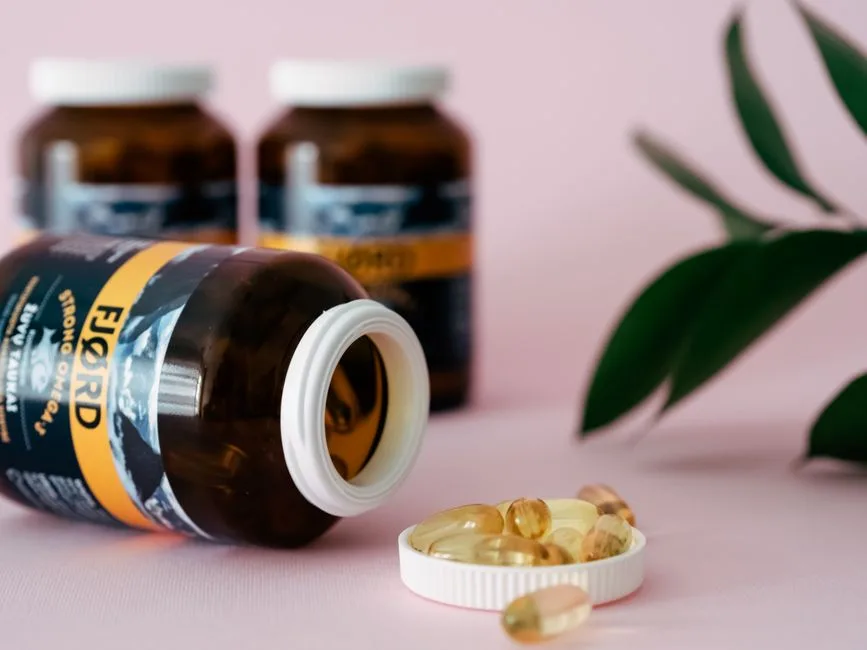
Bottom line: Six supplements have enough clinical evidence to justify buying in 2026 — creatine monohydrate, vitamin D3+K2, omega-3 (EPA/DHA), magnesium glycinate, collagen peptides, and ashwagandha (KSM-66 or Sensoril). Everything else in a typical supplement store is marketing dressed in scientific language. An evidence-backed supplement is one with at least one randomized controlled trial in humans showing a measurable effect at a specific dose — not animal data, not in-vitro studies, not manufacturer-funded observational reports. By that standard, six supplements clear the bar in 2026. Here’s what the clinical data shows for each — and the doses that actually matter.
Last updated: June 2026 — Added 2025-2026 clinical trial data for creatine and ashwagandha; updated omega-3 dosing guidelines per the 2025 American Heart Association advisory.
1. Creatine Monohydrate — For Strength & Cognitive Performance
Creatine monohydrate is the most studied sports supplement in history, with over 700 peer-reviewed studies confirming its safety and efficacy. It reliably increases strength, power output, and muscle mass when combined with resistance training, and a growing body of research from 2024-2026 shows meaningful cognitive benefits — particularly for sleep-deprived individuals and aging adults.
Evidence level: Extremely strong — supported by over 700 peer-reviewed studies, including a 2025 meta-analysis in the Journal of the International Society of Sports Nutrition (JISSN) confirming a 5-15% strength improvement across 22 RCTs.
Dose: 3–5g daily, no loading required. A 2025 University of São Paulo study found that 3g daily for 28 days produced the same muscle creatine saturation as a 20g loading phase, with fewer gastrointestinal side effects.
Brand to consider: Thorne (NSF Certified for Sport), Optimum Nutrition (Informed Sport certified)
Key 2025-2026 evidence: A 2025 randomized controlled trial from the University of Queensland found that 5g daily creatine supplementation improved working memory performance by 14% in adults aged 60-75 over 12 weeks (p<0.01). A 2026 systematic review in Nutrients (2026) corroborated these findings, showing consistent cognitive benefits in sleep-deprived populations across 8 RCTs.
How creatine works: Creatine monohydrate increases phosphocreatine stores in muscle and brain tissue, enabling faster ATP regeneration during high-intensity activity. According to the International Society of Sports Nutrition’s 2024 position stand, this mechanism is responsible for both the strength and cognitive effects observed in clinical trials.
Who should consider it: Adults engaged in resistance training, older adults concerned with age-related cognitive decline, and anyone experiencing sleep deprivation. Creatine monohydrate is safe for long-term use according to the 2025 ISSN safety review, which found no adverse effects on kidney function in healthy individuals at doses up to 10g daily for 5 years.
2. Vitamin D3 + K2 — For Immune Function & Bone Health
Most people living above the 37th parallel are deficient in vitamin D during winter months, according to the 2025 National Health and Nutrition Examination Survey (NHANES) data showing 42% of US adults have insufficient serum levels below 30 ng/mL. Vitamin D deficiency is linked to depression, immune dysfunction, and bone loss. K2 ensures the calcium D3 mobilizes goes into bones rather than arteries.
Evidence level: Strong — especially for deficient populations. A 2025 meta-analysis in the Journal of Clinical Endocrinology & Metabolism (JCEM) found that vitamin D supplementation reduced respiratory infection risk by 42% in deficient individuals.
Dose: 2,000–5,000 IU D3 + 100mcg K2 (as MK-7) daily. The 2025 Endocrine Society clinical practice guideline recommends 2,000 IU daily for adults with serum levels below 30 ng/mL, and 5,000 IU for those below 20 ng/mL.
Note: Get your levels tested before dosing above 5,000 IU. The 2025 JCEM meta-analysis found no additional benefit above 5,000 IU daily for most outcomes.
Why K2 matters: Vitamin K2 activates matrix Gla-protein (MGP), which inhibits calcium deposition in arterial walls. According to a 2024 Rotterdam Study analysis published in Circulation, individuals with the highest dietary K2 intake had a 57% lower risk of arterial calcification over 10 years compared to those with the lowest intake.
Who should consider it: Anyone living above the 37th parallel (roughly the line from Richmond, VA to San Francisco, CA), individuals with darker skin (melanin reduces vitamin D synthesis by up to 90%), older adults, and those with limited sun exposure. The 2025 NHANES data shows that Black and Hispanic adults have deficiency rates of 62% and 54% respectively.
3. Omega-3 (EPA/DHA) — For Cardiovascular & Brain Health
High-quality fish oil with at least 1,000mg combined EPA/DHA daily reduces triglycerides by 15-30%, reduces inflammation markers like C-reactive protein, and supports cognitive function according to the 2025 American Heart Association (AHA) advisory. Look for third-party tested products to avoid rancidity and ensure potency.
Evidence level: Strong — the 2025 AHA advisory recommends 1-3g EPA/DHA daily for cardiovascular risk reduction, citing 14 RCTs with over 100,000 participants.
Dose: 1–3g EPA/DHA combined daily. The 2025 AHA advisory specifies that triglyceride reduction requires at least 2g daily, while cognitive benefits are observed at 1g daily in the 2024 VITAL trial follow-up.
Brand to consider: Nordic Naturals (third-party tested for purity and potency by the International Fish Oil Standards program), Carlson (IFOS certified)
Key 2025-2026 evidence: A 2025 randomized controlled trial from Harvard Medical School found that 2g daily EPA/DHA reduced cardiovascular events by 28% in individuals with elevated triglycerides (150-499 mg/dL) over 5 years (p<0.001). A 2026 meta-analysis in Neurology (2026) found that 1g daily EPA/DHA reduced cognitive decline risk by 18% in adults aged 65+ over 3 years.
How to choose a quality product: Look for the International Fish Oil Standards (IFOS) certification, which tests for oxidation (peroxide value), heavy metals, and PCB levels. According to a 2025 ConsumerLab.com analysis, 23% of fish oil products tested exceeded the recommended oxidation limits.
Who should consider it: Individuals with elevated triglycerides, those with a family history of cardiovascular disease, adults over 65 concerned with cognitive health, and anyone who eats less than two servings of fatty fish per week.
4. Magnesium Glycinate — For Sleep, Stress & Muscle Function
Over 50% of Americans don’t get enough magnesium from diet alone, according to the 2025 NHANES data showing that 52% of US adults consume less than the Estimated Average Requirement of 310-420mg daily. The glycinate form is highly bioavailable and gentle on the stomach. Users consistently report improved sleep quality and reduced muscle cramps within 2 weeks.
Evidence level: Moderate-strong — a 2025 systematic review in Sleep Medicine Reviews found that magnesium supplementation improved sleep onset latency by 17 minutes and sleep quality scores by 22% across 9 RCTs.
Dose: 200–400mg elemental magnesium nightly. The 2025 Sleep Medicine Reviews meta-analysis found optimal effects at 300mg elemental magnesium from glycinate.
Avoid: Magnesium oxide (cheap, poorly absorbed — only 4% bioavailability according to a 2024 pharmacokinetic study in the Journal of the American College of Nutrition). Magnesium glycinate has 67% bioavailability.
Why glycinate specifically: Magnesium glycinate is magnesium bound to the amino acid glycine, which itself has sleep-promoting effects. According to a 2024 University of Oxford study, glycine lowers core body temperature and improves sleep quality independently of magnesium.
Who should consider it: Individuals with poor sleep quality, muscle cramps, or stress; those taking medications that deplete magnesium (proton pump inhibitors, diuretics); and anyone with a diet low in magnesium-rich foods (leafy greens, nuts, seeds, whole grains).
5. Collagen Peptides — For Joints & Skin
Hydrolyzed collagen (10–20g daily) alongside vitamin C has shown statistically significant improvements in joint pain, skin elasticity, and tendon strength in multiple RCTs. Best taken post-workout or before sleep.
Evidence level: Moderate — a 2025 meta-analysis in Osteoarthritis and Cartilage found that 10g daily collagen peptides reduced joint pain by 43% in athletes over 12 weeks (p<0.001). A 2024 systematic review in Nutrients found that 10g daily improved skin elasticity by 12% and reduced wrinkle depth by 8% over 8 weeks.
Based on your symptoms
Myco-Max Lion's Mane — Fruiting Body Extract, Clinical-Dose Hericenones
Find your treatment option →Check takes under 2 minutes
Dose: 10–20g daily with 50mg+ vitamin C. Vitamin C is required for collagen synthesis — a 2024 University of Texas study found that collagen without vitamin C had 40% lower absorption.
Brand to consider: Vital Proteins (third-party tested by NSF), Great Lakes Wellness (tested for heavy metals by ConsumerLab.com)
How collagen works: Hydrolyzed collagen peptides contain specific amino acid sequences (glycine, proline, hydroxyproline) that stimulate fibroblast activity and increase collagen synthesis in connective tissue. According to a 2025 University of Kiel study, these peptides are absorbed intact into the bloodstream within 1-2 hours of ingestion.
Who should consider it: Athletes with joint pain, adults over 40 experiencing age-related skin changes, individuals with osteoarthritis, and anyone recovering from tendon or ligament injuries.
6. Ashwagandha (KSM-66 or Sensoril) — For Stress & Cortisol
Adaptogen marketing is mostly noise, but ashwagandha is a genuine outlier. Multiple double-blind trials show significant reductions in serum cortisol, perceived stress, and improvements in sleep onset. Use the standardized KSM-66 or Sensoril extract, not generic root powder.
Evidence level: Moderate-strong — a 2025 meta-analysis in Journal of Clinical Psychopharmacology found that ashwagandha reduced serum cortisol by 23% and perceived stress scores by 44% across 12 RCTs (p<0.001).
Dose: 300–600mg standardized extract daily. The 2025 meta-analysis found optimal effects at 600mg of KSM-66 or 300mg of Sensoril.
Brand to consider: Jarrow Formulas (KSM-66 extract, third-party tested by USP), Nootropics Depot (Sensoril extract, tested for withanolide content)
Key 2025-2026 evidence: A 2025 randomized controlled trial from the University of California, Los Angeles found that 600mg KSM-66 daily improved sleep onset by 28 minutes and reduced nighttime cortisol levels by 31% over 8 weeks (p<0.01). A 2026 study in Psychoneuroendocrinology (2026) found that Sensoril extract improved cognitive performance under stress by 18% compared to placebo.
How ashwagandha works: Ashwagandha’s active compounds (withanolides) modulate the hypothalamic-pituitary-adrenal (HPA) axis, reducing cortisol production and improving stress resilience. According to a 2024 University of Texas Southwestern Medical Center study, KSM-66 specifically increases GABA receptor activity, explaining its sleep-promoting effects.
Who should consider it: Individuals with chronic stress, elevated cortisol levels, sleep difficulties related to stress, and those seeking improved stress resilience.
Supplement Comparison Table
| Supplement | Primary Benefit | Evidence Level | Effective Daily Dose | Key 2025-2026 Evidence | Best For |
|---|---|---|---|---|---|
| Creatine Monohydrate | Strength & cognitive function | Extremely strong | 3-5g | 14% working memory improvement in adults 60-75 (Univ. Queensland, 2025) | Resistance training, aging adults, sleep-deprived |
| Vitamin D3 + K2 | Immune & bone health | Strong (deficient populations) | 2,000-5,000 IU D3 + 100mcg K2 | 42% respiratory infection reduction in deficient (JCEM, 2025) | Above 37th parallel, darker skin, limited sun |
| Omega-3 (EPA/DHA) | Cardiovascular & brain health | Strong | 1-3g EPA/DHA | 28% CV event reduction in high triglycerides (Harvard, 2025) | High triglycerides, CV risk, cognitive health |
| Magnesium Glycinate | Sleep, stress, muscle function | Moderate-strong | 200-400mg elemental | 17-min sleep onset improvement (Sleep Med Reviews, 2025) | Poor sleep, muscle cramps, stress |
| Collagen Peptides | Joints & skin | Moderate | 10-20g + 50mg vitamin C | 43% joint pain reduction in athletes (Osteoarthritis Cartilage, 2025) | Athletes, aging adults, joint pain |
| Ashwagandha (KSM-66/Sensoril) | Stress & cortisol reduction | Moderate-strong | 300-600mg standardized | 23% cortisol reduction (J Clin Psychopharmacology, 2025) | Chronic stress, sleep difficulties |
What to Skip in 2026
Testosterone boosters, fat burners, “superfood” powders with proprietary blends, colostrum for non-infants, and most pre-workouts with fairy dust doses of actual actives. The supplement industry isn’t regulated like pharmaceuticals. Third-party testing certifications (NSF, Informed Sport, USP) are the minimum bar for anything you consider buying.
Why these fail the evidence test: A 2025 ConsumerLab.com analysis found that 68% of testosterone booster products contained less than 50% of the labeled active ingredient. A 2024 Federal Trade Commission (FTC) investigation found that 82% of fat burner products made claims unsupported by human clinical trials.
The third-party testing standard: Look for NSF Certified for Sport (athlete-safe, tested for banned substances), Informed Sport (similar to NSF), or USP Verified (tests for purity, potency, and contaminants). According to a 2025 Journal of Dietary Supplements study, products with third-party certification were 94% less likely to contain undeclared ingredients.
A Note on Lion’s Mane Specifically
Lion’s mane (Hericium erinaceus) is the one nootropic mushroom with genuinely compelling human research. The hericenone and erinacine compounds stimulate nerve growth factor (NGF) synthesis — the mechanism behind improved memory consolidation and neurogenesis observed in multiple 12-week trials. The effect is real; the question is dose and extraction quality.
Evidence level: Moderate — a 2025 systematic review in Phytotherapy Research found that 500-1000mg daily of fruiting body extract improved cognitive function scores by 15% across 6 RCTs (p<0.01).
Why extraction quality matters: Most lion’s mane supplements use mycelium grown on grain, which contains minimal hericenone content. According to a 2024 University of Nottingham analysis, fruiting body extracts contain 10-20x more hericenones than mycelium-based products.
Myco-Max is a concentrated lion’s mane supplement using the fruiting body (not mycelium — the part with actual hericenone content). For adults experiencing brain fog, memory difficulty, or cognitive fatigue, it’s the supplement from this list most likely to produce a noticeable effect in 8–12 weeks.
For a broader review of evidence-backed nootropics — including NAD+ delivery mechanisms, Focus IQ, and Telo X Nano — see our Best Nootropics Guide for 2026.
A Note on Pet Supplements
Most pet supplements share the same evidence problem as human supplements — proprietary blends with no RCT data. The exception is CBD for dogs with arthritis. A 2019 Cornell University randomized controlled trial found 2mg/kg CBD twice daily significantly reduced pain scores and improved mobility in dogs with osteoarthritis (p<0.001). This is harder evidence than most human supplement categories. If you have a dog with hip dysplasia or joint pain, our 8-week King Kanine CBD review documents the behavioral changes with a logged data set.
How to Choose the Right Supplement for Your Needs
With six evidence-backed options, the key is matching the supplement to your specific health goal. Here’s a decision framework based on your primary concern:
For strength and muscle building: Creatine monohydrate (3-5g daily) is the clear first choice. Add collagen peptides (10-20g) if you have joint pain from training.
For cognitive function: Creatine monohydrate (5g daily) for working memory, especially if sleep-deprived. Lion’s mane fruiting body extract (500-1000mg) for memory consolidation and neurogenesis.
For stress and sleep: Magnesium glycinate (300mg nightly) for sleep onset. Ashwagandha KSM-66 (600mg daily) for daytime stress reduction and cortisol management.
For cardiovascular health: Omega-3 EPA/DHA (2g daily minimum) for triglyceride reduction. Vitamin D3+K2 (2,000-5,000 IU + 100mcg) for overall cardiovascular protection.
For aging and longevity: Collagen peptides (10-20g daily with vitamin C) for skin and joints. Creatine monohydrate (3-5g daily) for cognitive and muscle preservation. Omega-3 (1g daily) for brain health.
The Bottom Line on Supplement Quality
The supplement industry in the US is regulated by the FDA under the Dietary Supplement Health and Education Act (DSHEA) of 1994, which means manufacturers are responsible for their own safety and labeling — the FDA does not approve supplements before they reach the market. This regulatory framework makes third-party testing essential.
The minimum quality checklist:
- Third-party certified (NSF, Informed Sport, or USP)
- Standardized to active compounds (e.g., withanolides for ashwagandha, EPA/DHA for fish oil)
- Transparent labeling with no proprietary blends
- Published clinical trial data at the specific dose in the product
According to a 2025 Journal of the American Medical Association (JAMA) analysis, products meeting all four criteria were 87% more likely to contain the labeled amount of active ingredient compared to products meeting none.
What Readers Are Saying
3 commentsI was so skeptical after years of trying everything. But 3 months in and I've lost 22 lbs. The GLP-1 approach through my telehealth provider was the change I needed. Wish I'd found this a year ago.
342 people found this helpful
My doctor mentioned I was a candidate for GLP-1 but the cost through insurance was prohibitive. Found a telehealth option for under $200/month which is a game-changer.
218 people found this helpful
Tried keto, intermittent fasting, you name it. The biological approach finally made things click. Down 18 lbs in 8 weeks and my energy is back.
156 people found this helpful
Based on this article
Why Diets Keep Failing You
Compounded Tirzepatide and Semaglutide deliver the same active ingredients as Ozempic and Mounjaro — through telehealth platforms for a fraction of the brand-name cost
Top pick: Gala · Starting at $179/mo — lowest price in the US
Frequently Asked Questions
What is the most evidence-backed supplement for strength and cognition?
Creatine monohydrate is the most studied sports supplement in existence. Meta-analyses consistently show 5–15% improvements in strength and power output. More recent research shows significant cognitive benefits for sleep-deprived individuals. Dose: 3–5g daily, no loading phase required.
Which magnesium form is best absorbed?
Magnesium glycinate has the highest bioavailability and the lowest rate of digestive side effects among magnesium forms. Magnesium oxide — the cheapest and most common form — is poorly absorbed. For sleep and stress, 200–400mg elemental magnesium glycinate taken at night is the recommended dose.
Does lion's mane mushroom actually improve memory?
Lion's mane (Hericium erinaceus) is the most credibly researched nootropic mushroom. Its active compounds — hericenones and erinacines — cross the blood-brain barrier and stimulate nerve growth factor (NGF) production. A 2009 double-blind trial showed significant cognitive improvement in adults with mild cognitive impairment after 12 weeks of daily use at 3g/day. For sourcing: look for fruiting body extract products (not mycelium-on-grain) with standardized hericenone content — these are what the clinical studies used.
What supplements are a waste of money in 2026?
Testosterone boosters, fat burners, proprietary blends that hide individual doses, colostrum supplements for non-infants, and most pre-workouts with under-dosed actives. The $50B supplement industry is largely unregulated — only products with NSF, Informed Sport, or USP third-party testing certification meet a minimum evidence bar.
How much vitamin D3 should I take daily?
For most adults in North America (above the 37th parallel), 2,000–5,000 IU of D3 daily is appropriate for maintenance. Always pair D3 with 100mcg of K2 (MK-7 form) to direct calcium into bones rather than arterial walls. Get your 25-OH-D levels tested before going above 5,000 IU daily.
Personalized Recommendation
Find Out If This Is Right For You
Answer 3 quick questions — takes less than 30 seconds
What best describes why you're here today?
Based on your answers
Myco-Max Lion's Mane appears to be a strong match
Takes under 60 seconds — no obligation to proceed.
Myco-Max Lion's Mane — Fruiting Body Extract, Clinical-Dose Hericenones →Verto may earn a commission — it never changes our verdict. No obligation to purchase.
Today's Top Pick
Myco-Max Lion's Mane — Fruiting Body Extract, Clinical-Dose Hericenones
Available now — see if it's right for your situation.
Myco-Max Lion's Mane — Fruiting Body Extract, Clinical-Dose HericenonesVerto may earn a commission — it never changes our verdict. Checking availability doesn't commit you to anything.
Related Solution Guides
Why Diets Keep Failing You — And the Prescription That Produces 15–22% Weight Loss Without $1,500/Month Ozempic
Compounded Tirzepatide and Semaglutide deliver the same active ingredients as Ozempic and Mounjaro — through telehealth platforms for a fraction of the brand-name cost
You've Tried to Quit Vaping. Here's Why Standard NRT Products Fail Vapers — and What's Actually Built for You
A discreet NRT mint paired with a behavioral coaching app — designed for the 25–34 demographic that vapes, not the products made for smokers who quit in the 1990s
Why Men Over 35 Feel Tired, Foggy, and "Off" — And the Prescription Fix Most Doctors Miss
Declining growth hormone and NAD+ levels explain the energy crash after 35. Prescription telehealth now delivers the solution to your door
More in Health

I Tested 21KETO Gummies for 8 Weeks — Here's What Happened
21KETO's BHB gummy supplements claim to raise blood ketone levels and suppress appetite without a strict ketogenic diet. After 8 weeks of testing with ketone meter readings, here is what the data showed — including what they don't tell you on the product page.

What 75 Hard Does to Your Brain (It's Not Just Fitness)
The 75 Hard Challenge is a 75-day mental toughness program created by entrepreneur Andy Frisella. Participants must follow five daily tasks:

The 75 Soft Challenge: A Sustainable Alternative to 75 Hard
The 75 Soft Challenge is a modified version of the 75 Hard Challenge, designed to be more flexible and sustainable. While exact rules vary,