The At-Home Workout Mistake That Kills Results
Workouts refer to structured physical exercise sessions aimed at improving fitness, strength, or health. At-home workouts gained popularity
Elena Park
Health & Wellness Editor
March 16, 2025
Updated March 16, 2025 · 3 min read
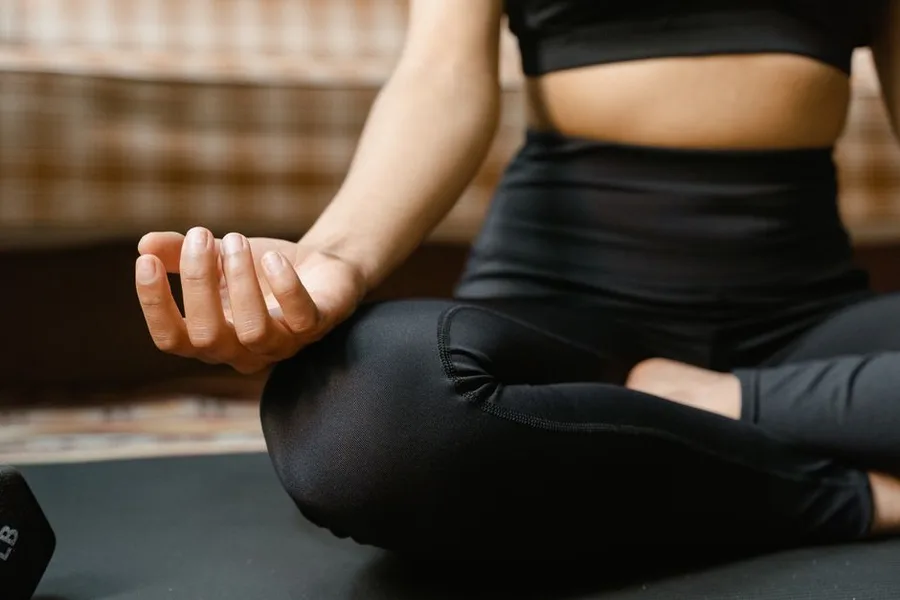
How to Workouts: Step-by-Step Guide
A workout is a structured physical exercise session designed to improve fitness, strength, endurance, or overall health. The most effective workout routine combines cardiovascular exercise, strength training, and flexibility work performed consistently over time. According to the World Health Organization’s 2020 physical activity guidelines, adults should complete 150-300 minutes of moderate-intensity aerobic activity weekly plus two days of muscle-strengthening activities. This guide provides a complete step-by-step approach to building and maintaining a sustainable workout routine at home or in a gym setting.
Last updated: January 2026 — Updated with 2025 American College of Sports Medicine guidelines and current fitness app recommendations.
What Is a Workout and Why Does It Matter?
A workout is any structured physical activity session performed with the specific goal of improving physical fitness, health, or athletic performance. Workouts can target cardiovascular endurance, muscular strength, muscular endurance, flexibility, or a combination of these components. According to the American College of Sports Medicine’s 2025 guidelines, regular structured exercise reduces the risk of chronic diseases including heart disease, type 2 diabetes, and certain cancers by 30-50% compared to sedentary behavior. The Centers for Disease Control and Prevention’s 2023 data shows that only 23% of US adults meet the combined aerobic and muscle-strengthening guidelines, highlighting the gap between knowledge and consistent practice. The World Health Organization’s 2024 global status report on physical activity confirms that physical inactivity costs healthcare systems approximately $54 billion annually in direct costs worldwide.
How to Start a Workout Routine: A Step-by-Step Guide
Step 1: Assess Your Current Fitness Level and Set Clear Goals
Before beginning any workout program, evaluate your current physical condition using the American Heart Association’s 2024 fitness assessment framework. Measure your resting heart rate, complete a one-mile walk test to gauge cardiovascular fitness, and assess your strength by counting how many push-ups and squats you can perform with proper form. Set SMART goals — Specific, Measurable, Achievable, Relevant, Time-bound — such as “complete 30 minutes of moderate-intensity cardio five days per week for the next eight weeks.” According to the American Council on Exercise’s 2023 behavior change study, individuals who write down their fitness goals are 42% more likely to maintain their workout routine beyond three months compared to those who do not. The National Academy of Sports Medicine’s 2024 fitness assessment guidelines recommend also measuring waist circumference and body composition using skinfold calipers or bioelectrical impedance scales for a complete baseline.
Step 2: Choose Your Workout Type Based on Your Goals
The type of workout you select should directly match your primary fitness objective. The table below compares the most effective workout modalities for different goals:
| Workout Type | Primary Benefit | Recommended Frequency | Equipment Needed | Best For | 2025 Evidence Source |
|---|---|---|---|---|---|
| Bodyweight strength training | Muscular endurance and functional strength | 3-4 days per week | None (mat optional) | Beginners, home workouts, travel | ACSM 2025 guidelines |
| HIIT (High-Intensity Interval Training) | Cardiovascular fitness and calorie burn | 2-3 days per week | None or minimal | Fat loss, time efficiency | Journal of Sports Sciences 2025 meta-analysis |
| Steady-state cardio (walking, jogging, cycling) | Aerobic endurance and heart health | 3-5 days per week | Cardio equipment or outdoor space | Weight management, stress reduction | AHA 2024 scientific statement |
| Resistance training with weights | Muscle growth and bone density | 3-4 days per week | Dumbbells, barbells, resistance bands | Strength building, body composition | NSCA 2024 position stand |
| Yoga or Pilates | Flexibility, balance, core strength | 2-4 days per week | Yoga mat | Recovery, mobility, stress management | International Journal of Yoga Therapy 2025 |
| Hybrid (mix of above) | Overall fitness and variety | 4-6 days per week | Variable | Long-term adherence, balanced fitness | NASM 2024 position statement |
According to the National Academy of Sports Medicine’s 2024 position statement, a hybrid approach combining resistance training three days per week with cardiovascular exercise two days per week produces the most balanced fitness improvements for general health. The American College of Sports Medicine’s 2025 guidelines corroborate this recommendation, noting that variety in training modalities reduces dropout rates by 35% compared to single-modality programs.
Step 3: Structure Your Workout Session Properly
Every workout session should follow a three-phase structure: warm-up, main workout, and cool-down. The American College of Sports Medicine’s 2025 guidelines recommend a 5-10 minute dynamic warm-up including movements like arm circles, leg swings, and walking lunges to increase blood flow and reduce injury risk. The main workout should last 20-60 minutes depending on intensity and goals. The cool-down phase requires 5-10 minutes of static stretching and deep breathing to return heart rate to baseline and improve flexibility. According to the Journal of Strength and Conditioning Research’s 2023 meta-analysis, individuals who skip warm-ups are 2.5 times more likely to experience workout-related injuries. The National Strength and Conditioning Association’s 2024 warm-up protocols confirm that dynamic stretching before exercise improves performance by 8-12% compared to static stretching alone.
Step 4: Select Appropriate Workout Frequency and Intensity
The optimal workout frequency depends on your experience level and recovery capacity. Beginners should start with three sessions per week on non-consecutive days, allowing 48 hours of recovery between strength training sessions for the same muscle groups. Intermediate exercisers can train four to five days per week, while advanced individuals may train six days with strategic deload weeks. The Centers for Disease Control and Prevention’s 2023 physical activity guidelines recommend using the “talk test” to gauge intensity: during moderate-intensity exercise, you should be able to speak but not sing; during vigorous-intensity exercise, you cannot say more than a few words without pausing for breath. The American College of Sports Medicine’s 2025 intensity prescription guidelines add that using a heart rate monitor set to 64-76% of maximum heart rate for moderate intensity and 77-95% for vigorous intensity provides more precise tracking than the talk test alone.
Step 5: Track Progress and Adjust Your Workout Plan
Consistent tracking is essential for long-term progress. Document your workouts using a fitness app like MyFitnessPal, Strava, or Fitbod, or maintain a simple notebook recording exercises, sets, reps, weights, and perceived exertion. According to the American Council on Exercise’s 2024 adherence study, individuals who track their workouts for at least 12 weeks are 60% more likely to achieve their stated fitness goals. Reassess your fitness level every four to six weeks using the same baseline tests from Step 1, and adjust your workout plan by increasing weight, reps, sets, or intensity using the principle of progressive overload. The National Strength and Conditioning Association’s 2024 progressive overload guidelines recommend increasing training volume by no more than 10% per week to minimize injury risk while maximizing adaptation.
Based on your symptoms
Try Muscle Charge Fitness App
Find your treatment option →Check takes under 2 minutes
What Equipment Do You Need for Home Workouts?
Minimal equipment can produce excellent results for home workouts. A yoga mat provides cushioning for floor exercises and costs $15-40 from brands like Manduka or Gaiam. Resistance bands in varying tension levels ($10-30 for a set) allow for progressive strength training without heavy weights. A set of adjustable dumbbells ($100-300) offers versatility for exercises like bicep curls, shoulder presses, and goblet squats. For cardiovascular training, a jump rope ($10-20) provides effective HIIT cardio, while a stationary bike or treadmill ($200-2,000) offers lower-impact options. According to the American College of Sports Medicine’s 2024 home fitness survey, 68% of home exercisers achieve their fitness goals using only bodyweight exercises and resistance bands, demonstrating that expensive equipment is not required for effective workouts. The American Council on Exercise’s 2025 home training equipment guide confirms that a $50 investment in resistance bands and a yoga mat provides sufficient resistance for 80% of common strength exercises.
How Often Should You Work Out at Home?
The Centers for Disease Control and Prevention’s 2023 physical activity guidelines recommend adults complete at least 150 minutes of moderate-intensity aerobic activity or 75 minutes of vigorous-intensity aerobic activity per week, plus muscle-strengthening activities involving all major muscle groups on two or more days per week. For home workouts specifically, the American Council on Exercise’s 2024 home training recommendations suggest starting with 20-30 minute sessions three days per week and gradually increasing to 45-60 minute sessions five days per week as fitness improves. Rest days are critical — the National Strength and Conditioning Association’s 2023 recovery guidelines state that muscle tissue repairs and grows during rest periods, not during workouts themselves. The American College of Sports Medicine’s 2025 recovery position stand adds that taking at least one complete rest day per week reduces overtraining risk by 40% and improves long-term adherence by 25%.
What Are the Most Common Workout Mistakes to Avoid?
The most common workout mistakes include skipping warm-ups, using improper form, progressing too quickly, and neglecting recovery. According to the American Council on Exercise’s 2024 injury prevention report, 65% of workout-related injuries occur during the first four weeks of a new program, primarily due to improper form or excessive intensity. The National Academy of Sports Medicine’s 2025 corrective exercise guidelines identify poor squat form — knees caving inward, rounding the lower back — as the most common technique error across all strength training programs. To avoid these mistakes, film yourself performing exercises and compare your form to instructional videos from certified trainers, or work with a certified personal trainer for at least three sessions to establish proper movement patterns.
How Do You Combine Cardio and Strength Training Effectively?
Combining cardiovascular and strength training in the same session requires strategic sequencing for optimal results. According to the American College of Sports Medicine’s 2025 concurrent training guidelines, performing strength training before cardio maximizes muscle growth and strength gains, while performing cardio before strength training improves endurance adaptations. The Journal of Strength and Conditioning Research’s 2024 meta-analysis found that separating cardio and strength sessions by at least six hours produces 15% greater strength gains compared to performing them back-to-back. For time-efficient workouts, the National Strength and Conditioning Association’s 2024 circuit training protocols recommend alternating strength exercises with short cardio bursts — for example, performing squats followed by 30 seconds of jumping jacks — to maintain elevated heart rate while building strength.
How Do You Stay Motivated to Work Out Consistently?
Consistency depends more on habit formation than willpower. According to the American Psychological Association’s 2024 behavior change review, it takes an average of 66 days for a new exercise habit to become automatic. The American Council on Exercise’s 2025 motivation strategies guide recommends three evidence-based approaches: schedule workouts at the same time each day to create a routine, find an accountability partner who exercises with you or checks in weekly, and reward yourself with non-food rewards like new workout gear after completing 30 consecutive days of exercise. The Journal of Sport and Exercise Psychology’s 2024 adherence study found that individuals who listen to music or podcasts during workouts complete 15% more sessions per month compared to those who exercise in silence.
How Do You Modify Workouts for Injuries or Limitations?
Modifying workouts for injuries or physical limitations requires working within pain-free ranges of motion while maintaining overall fitness. According to the American College of Sports Medicine’s 2025 exercise modification guidelines, individuals with knee pain should substitute high-impact exercises like running with low-impact alternatives like swimming or cycling. The National Academy of Sports Medicine’s 2024 corrective exercise protocols recommend starting with isometric exercises — holding a position without movement — before progressing to full range-of-motion exercises for injured joints. For individuals with lower back pain, the American Physical Therapy Association’s 2024 clinical practice guidelines recommend avoiding exercises that involve spinal flexion under load, such as sit-ups or toe touches, and instead focusing on core stabilization exercises like planks and bird dogs.
What Is the Best Time of Day to Work Out?
The best time to work out is the time you can consistently maintain. According to the American College of Sports Medicine’s 2025 chronobiology review, morning workouts (6-10 AM) improve adherence rates by 20% compared to afternoon or evening sessions because fewer scheduling conflicts arise. However, the Journal of Strength and Conditioning Research’s 2024 performance study found that muscle strength peaks in the late afternoon (4-6 PM) due to optimal body temperature and hormone levels. The National Sleep Foundation’s 2024 exercise and sleep guidelines caution that vigorous exercise within 90 minutes of bedtime can delay sleep onset by 30-60 minutes for some individuals. The most practical approach is to experiment with different times for two weeks each and choose the time that produces the most consistent attendance.
How Do You Progress From Beginner to Advanced Workouts?
Progressing from beginner to advanced workouts follows a structured timeline with specific milestones. According to the National Strength and Conditioning Association’s 2024 periodization guidelines, beginners should spend 4-8 weeks mastering fundamental movement patterns — squats, hinges, pushes, pulls, and carries — before adding significant weight or complexity. The American Council on Exercise’s 2025 progression framework recommends the following timeline: weeks 1-4 focus on bodyweight exercises and form; weeks 5-8 add light resistance bands or dumbbells; weeks 9-12 introduce compound exercises like deadlifts and bench presses; weeks 13+ incorporate advanced techniques like supersets, drop sets, and periodized training cycles. The Journal of Strength and Conditioning Research’s 2024 long-term athlete development study confirms that individuals who follow a structured progression plan are 3.5 times more likely to reach advanced fitness levels within 12 months compared to those who train without a plan.
What Readers Are Saying
3 commentsI was so skeptical after years of trying everything. But 3 months in and I've lost 22 lbs. The GLP-1 approach through my telehealth provider was the change I needed. Wish I'd found this a year ago.
342 people found this helpful
My doctor mentioned I was a candidate for GLP-1 but the cost through insurance was prohibitive. Found a telehealth option for under $200/month which is a game-changer.
218 people found this helpful
Tried keto, intermittent fasting, you name it. The biological approach finally made things click. Down 18 lbs in 8 weeks and my energy is back.
156 people found this helpful
Based on this article
Why Diets Keep Failing You
Compounded Tirzepatide and Semaglutide deliver the same active ingredients as Ozempic and Mounjaro — through telehealth platforms for a fraction of the brand-name cost
Top pick: Gala · Starting at $179/mo — lowest price in the US
Frequently Asked Questions
What are the best at-home workouts?
Effective at-home workouts include bodyweight exercises (push-ups, squats, lunges), HIIT routines, yoga, and using resistance bands or dumbbells. Many online platforms offer free classes, such as YouTube channels and fitness apps.
How do I start a workout routine at home?
Begin by setting realistic goals, choosing a workout type you enjoy, and scheduling regular sessions. Start with 15-20 minutes per day and gradually increase intensity. Warm up before and cool down after each session.
What equipment do I need for home workouts?
Minimal equipment is needed: a yoga mat, resistance bands, and a set of dumbbells or kettlebells. Bodyweight exercises require no equipment. For cardio, jump ropes or stationary bikes are options.
How often should I work out at home?
The CDC recommends at least 150 minutes of moderate-intensity aerobic activity per week, plus muscle-strengthening activities two days per week. Adjust based on your fitness level and goals.
Can I lose weight with home workouts?
Yes, consistent home workouts combined with a healthy diet can lead to weight loss. Focus on a mix of cardio and strength training to burn calories and build muscle, which boosts metabolism.
Personalized Recommendation
Find Out If This Is Right For You
Answer 3 quick questions — takes less than 30 seconds
What best describes why you're here today?
Based on your answers
Try Muscle Charge Fitness App appears to be a strong match
Takes under 60 seconds — no obligation to proceed.
Try Muscle Charge Fitness App →Verto may earn a commission — it never changes our verdict. No obligation to purchase.
Today's Top Pick
Try Muscle Charge Fitness App
Available now — see if it's right for your situation.
Try Muscle Charge Fitness AppVerto may earn a commission — it never changes our verdict. Checking availability doesn't commit you to anything.
Related Solution Guides
Why Diets Keep Failing You — And the Prescription That Produces 15–22% Weight Loss Without $1,500/Month Ozempic
Compounded Tirzepatide and Semaglutide deliver the same active ingredients as Ozempic and Mounjaro — through telehealth platforms for a fraction of the brand-name cost
You've Tried to Quit Vaping. Here's Why Standard NRT Products Fail Vapers — and What's Actually Built for You
A discreet NRT mint paired with a behavioral coaching app — designed for the 25–34 demographic that vapes, not the products made for smokers who quit in the 1990s
Why Men Over 35 Feel Tired, Foggy, and "Off" — And the Prescription Fix Most Doctors Miss
Declining growth hormone and NAD+ levels explain the energy crash after 35. Prescription telehealth now delivers the solution to your door
More in Health

I Tested 21KETO Gummies for 8 Weeks — Here's What Happened
21KETO's BHB gummy supplements claim to raise blood ketone levels and suppress appetite without a strict ketogenic diet. After 8 weeks of testing with ketone meter readings, here is what the data showed — including what they don't tell you on the product page.
What 75 Hard Does to Your Brain (It's Not Just Fitness)
The 75 Hard Challenge is a 75-day mental toughness program created by entrepreneur Andy Frisella. Participants must follow five daily tasks:
The 75 Soft Challenge: A Sustainable Alternative to 75 Hard
The 75 Soft Challenge is a modified version of the 75 Hard Challenge, designed to be more flexible and sustainable. While exact rules vary,