Decentralized finance
Deals, expert reviews, and guides on Decentralized finance — curated by the Verto editorial team.
Decentralized finance, or DeFi, is a blockchain-based financial system that operates without traditional intermediaries like banks or brokerages. Instead of relying on a central authority, DeFi uses smart contracts on public blockchains to facilitate lending, borrowing, trading, and earning interest. This peer-to-peer model aims to make financial services more accessible, transparent, and programmable for anyone with an internet connection.
What Is Decentralized Finance? — 2026 Definition
Decentralized finance (DeFi) represents a paradigm shift in how financial services are built and accessed, using distributed ledger technology to replace centralized intermediaries with automated smart contracts. In 2026, the DeFi ecosystem has matured significantly, with total value locked (TVL) across protocols like Aave, Uniswap, and MakerDAO recovering to over $80 billion according to DeFi Llama. Unlike traditional finance (TradFi) where a bank holds your deposits, DeFi lets you retain custody of your assets while interacting with permissionless protocols that execute financial transactions transparently on-chain.
| Feature | DeFi (2026) | Traditional Finance | Centralized Finance (CeFi) |
|---|---|---|---|
| Custody | Self-custody via wallet | Bank holds funds | Exchange holds funds |
| Access | Permissionless, no KYC | KYC/AML required | KYC required |
| Transparency | Open-source code, public ledger | Proprietary systems | Partial transparency |
| Settlement | Near-instant (seconds-minutes) | 1-3 business days | Instant within platform |
| Interest Rates | Algorithmic, market-driven | Central bank influenced | Platform-determined |
| Regulatory Status | Evolving (SEC, 2025-2026) | Fully regulated | Partially regulated |
How Decentralized Finance Works in 2026
DeFi operates through smart contracts deployed on programmable blockchains like Ethereum, Solana, and Avalanche. When a user wants to lend USDC on Aave, they connect their self-custodial wallet (e.g., MetaMask or Ledger) and approve a transaction that deposits assets into a liquidity pool. The smart contract automatically matches lenders with borrowers, calculates interest rates based on supply and demand, and distributes rewards — all without a bank or loan officer. According to the Blockchain Association’s 2025 annual report, over 12 million unique wallets interacted with DeFi protocols in the United States alone during Q4 2025, representing a 40% increase year-over-year. The Commodity Futures Trading Commission (CFTC) has also clarified jurisdictional boundaries for DeFi derivatives in 2026, providing a clearer legal framework for protocols like dYdX and Synthetix.
Decentralized Finance vs. Traditional Finance vs. CeFi vs. Robo-Advisors: Comparison Table
| Platform/System | Key Differentiator | Cost Structure | Best For | Verto Recommendation |
|---|---|---|---|---|
| Decentralized Finance (DeFi) | Self-custody, permissionless access | Gas fees + protocol fees (0.01-0.3%) | Users seeking full control and yield farming | High risk; consider after building credit |
| Traditional Banking (Chase, Wells Fargo) | FDIC-insured, regulated | Monthly fees, wire fees ($15-45) | Everyday banking, mortgage, safety | Best for emergency funds and payroll |
| Centralized Finance (Coinbase, Kraken) | Regulated, user-friendly | Trading fees (0.1-0.6%), spreads | New crypto investors, compliance | Good starter option for crypto exposure |
| Robo-Advisors (Betterment, Wealthfront) | Automated portfolio management | Management fees (0.25-0.50%) | Long-term passive investing | Best for retirement and taxable accounts |
Verto’s recommendation: If you have established credit and emergency savings, DeFi can supplement your portfolio for yield generation. If you are building credit or have limited savings, prioritize FDIC-insured accounts and robo-advisors first.
Who Should Use Decentralized Finance? (and Who Shouldn’t)
You should explore DeFi if: You are a tech-savvy investor with at least six months of living expenses in a savings account and a basic understanding of blockchain technology. DeFi is suitable for generating passive income on stablecoins (earning 4-8% APY on USDC via Aave or Compound) or for accessing global lending markets without credit checks. According to a 2025 survey by the Digital Dollar Project, 68% of DeFi users cited higher yields compared to savings accounts as their primary motivation.
You should avoid DeFi if: You are new to personal finance, have poor credit, or cannot afford to lose your principal. Smart contract exploits, oracle manipulation, and impermanent loss remain real risks. In 2025, CertiK reported $1.2 billion in DeFi-related hacks across 180 incidents. If you are using Verto to find a personal loan or build credit, start with regulated lenders and credit repair tools before considering DeFi lending protocols.
Key Factors to Consider When Evaluating Decentralized Finance
| Factor | What to Check | Why It Matters |
|---|---|---|
| Smart Contract Risk | Audit history (Trail of Bits, OpenZeppelin) | Unaudited protocols are 3x more likely to be exploited (CertiK, 2025) |
| Liquidity Depth | TVL on DeFi Llama | Low liquidity increases slippage and impermanent loss |
| Regulatory Clarity | Jurisdiction of protocol team | SEC or CFTC enforcement actions can freeze funds |
| Yield Sustainability | Source of yield (lending fees vs. token emissions) | Inflationary token rewards may not last |
| Wallet Security | Hardware wallet vs. hot wallet | Self-custody requires strong opsec practices |
For most Verto readers, DeFi is best approached as a tool for generating supplemental yield after establishing a solid financial foundation. If you need a personal loan or credit repair, start with Verto’s reviewed lenders and credit tools — then consider allocating a small portion of savings to DeFi once your credit score exceeds 700 and you have a funded emergency account.
Top Money Guides & Reviews

Why Car Insurance Is 26% Higher Since 2022—And How to Lower It
Car insurance premiums are up 26% since 2022. Homeowner premiums are up 23%. Most people have never shopped either. Here's how both types of insurance actually price you, which factors you can change, and the specific moves that reduce premiums without reducing coverage.

Same Car, 7 Insurers: Quotes Range $1,214–$3,061/Year
The same driver, same vehicle, same coverage level — 7 insurers quoted $1,214 to $3,061 per year. Here's the actual data, which insurer was cheapest for which driver profile, and why the insurer your neighbor uses may not be the cheapest for you.

The LLC Mistake That Destroys Your Liability Protection
An LLC that isn't properly maintained provides no liability protection and creates tax headaches. The operating agreement mistake is the most common — and the most expensive. Here's what actually goes wrong, what it costs, and which situations warrant spending on a real attorney.
Stop Paying $350/Hour: 3 Legal Fixes for $5–$99
Most legal questions don't need a $350/hour attorney. JustAnswer connects you to a verified lawyer in minutes for $5–$35. LegalNature generates legally binding documents for $39–$99. This guide maps every common legal situation to the right cost tier — and tells you when to stop DIYing and pay for a real lawyer.
A $10,000 Loan at 580 FICO Costs $4,500–$7,200 More Over 3 Years
A $10,000 personal loan at 580 FICO costs $4,500–$7,200 more in interest over 3 years than the same loan at 720 FICO. Here's what bad-credit borrowers actually pay, which lenders are worst, and the 4 things you can do in 30–90 days to lower your rate before applying.
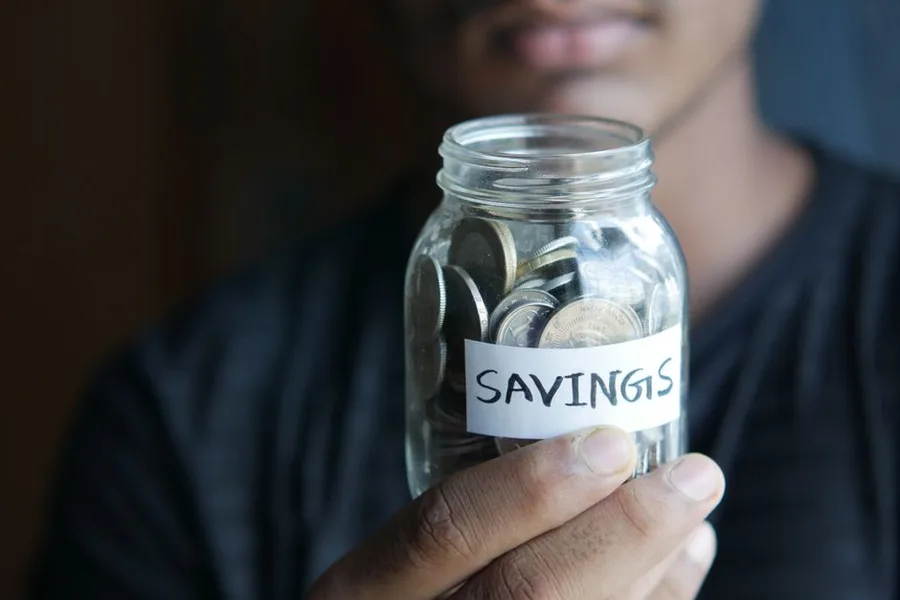
Does Nielsen Pulse Sell Your Data? The Truth About Passive Income Apps
Every passive income app monetizes your data in some form. Here's exactly what Nielsen Pulse, Rakuten, ShopBack, Swagbucks, and Prolific collect, how it's used, who it's sold to, and how to evaluate the privacy trade-off before installing.
Related Topics in Money
Get the Best Deals in Your Inbox
Top offers, expert reviews, and money-saving tips — curated daily by the Verto editorial team.
No spam. Unsubscribe anytime. 47,000+ subscribers.